PVC
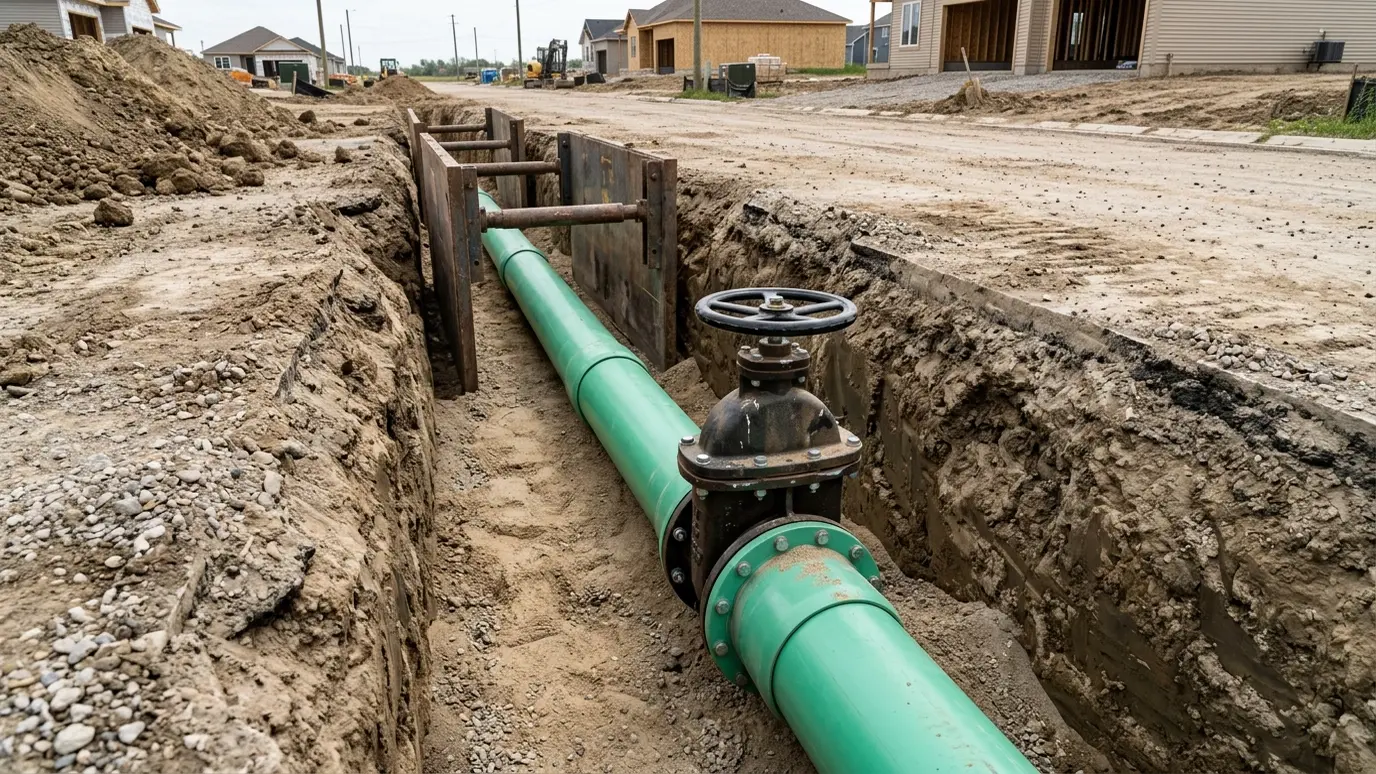
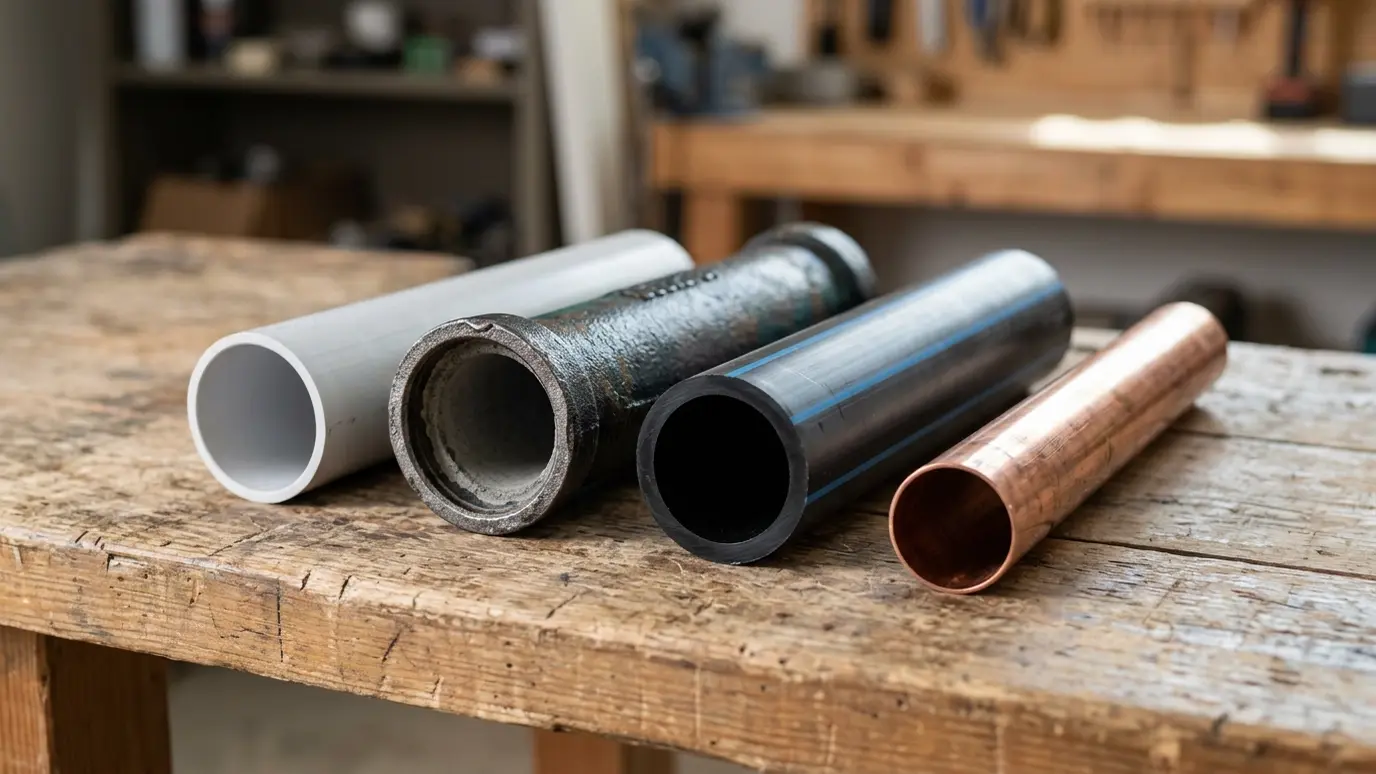
Light, smooth and corrosion free. Used for sewer, water and conduit. Needs good bedding and joined with gaskets or solvent cement. Brittle if struck.
Ductile iron
Strong and long lived. Used for mains, fire lines and heavy loads. Heavy to handle, needs protection in aggressive soil and restraint at fittings.
HDPE
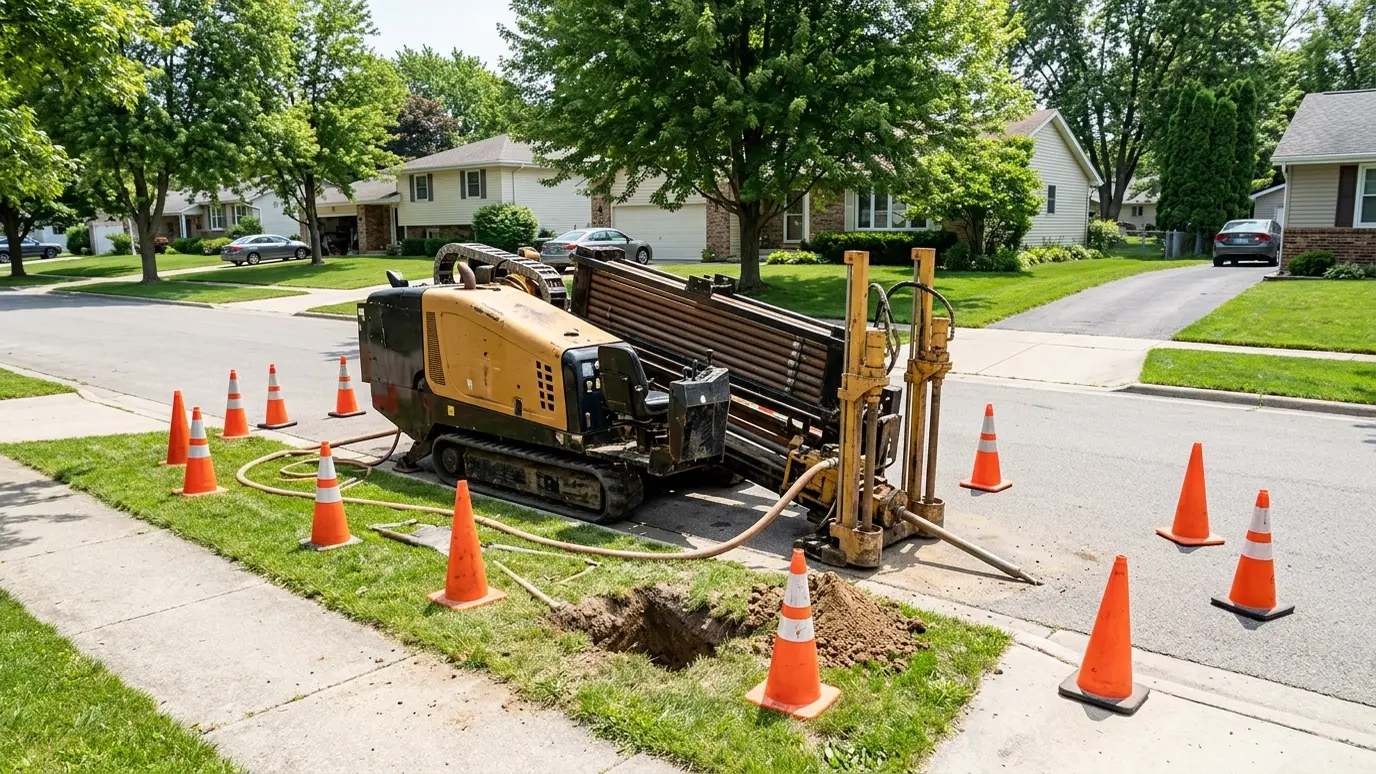
Flexible and fused into continuous lines. Best for boring, bursting and ground movement. Needs fusion equipment and tracer wire.
Copper
Reliable for water services. Handles pressure and heat. Can corrode in aggressive soil and costs more than plastic.
Concrete and clay
Concrete pipe is used for larger storm lines and culverts. Clay appears in old sewers. Both are heavy and rigid and are less common in new small lines.
How to choose
The utility specification usually decides. Where there is a choice, think about pressure, depth, soil, joint reliability, whether the route will be bored and how the line will be found later.
Follow the utility specification, then choose for pressure, soil and how the line will be installed.