Length and depth
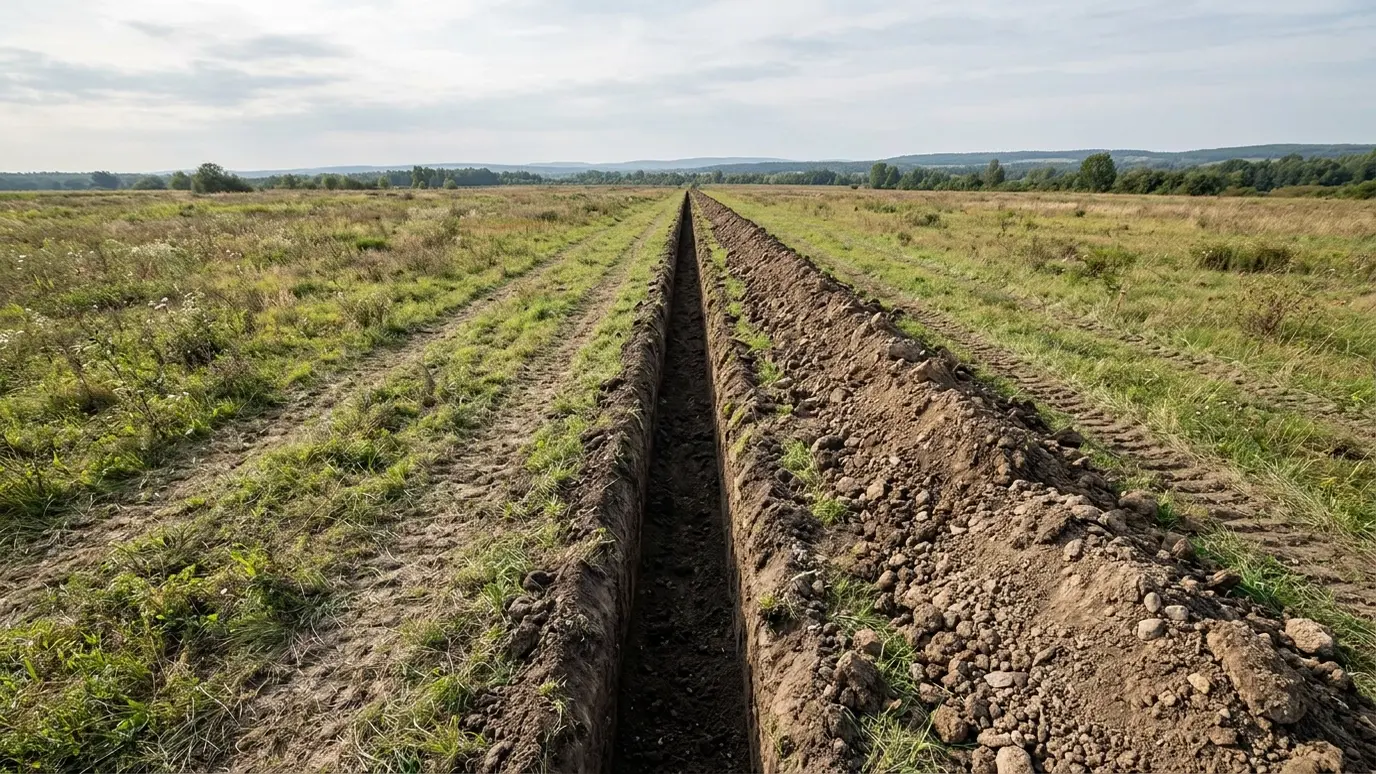
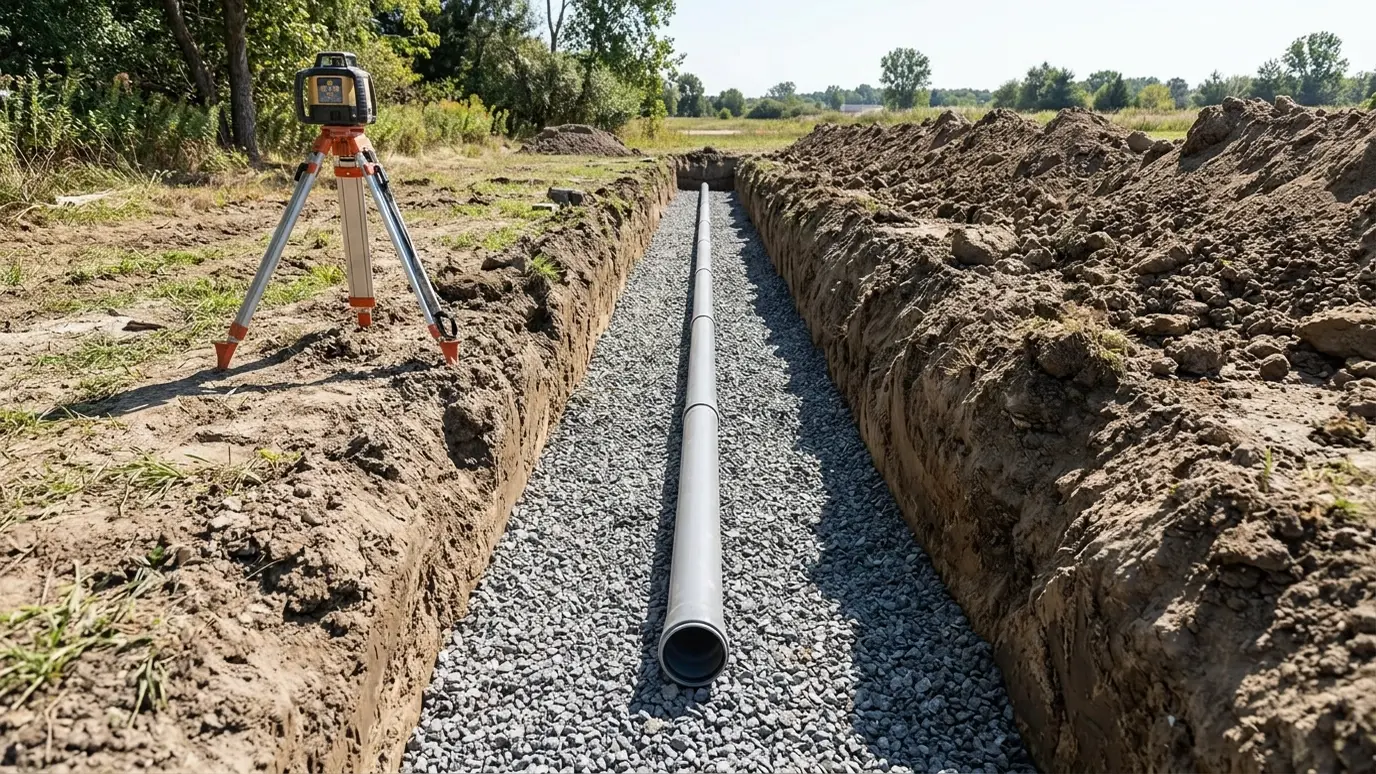
Most underground work is priced by the foot, but the depth changes everything. A shallow service line in soft soil is a different job from a deep sewer in clay. Deeper trenches need wider cuts, more spoil handling, shoring and slower progress.
Ask how the quote was built. A fair estimate states the length, the depth and the pipe or conduit to be installed.
Soil and rock
Middle Tennessee soils range from soft loam to hard clay to solid limestone. Rock can turn a quick trench into a multi-day job needing special equipment. A good contractor tells you what to expect and what happens if rock is found.
Many quotes state a rock allowance or a unit rate for rock so there is no argument later.
Materials and fittings
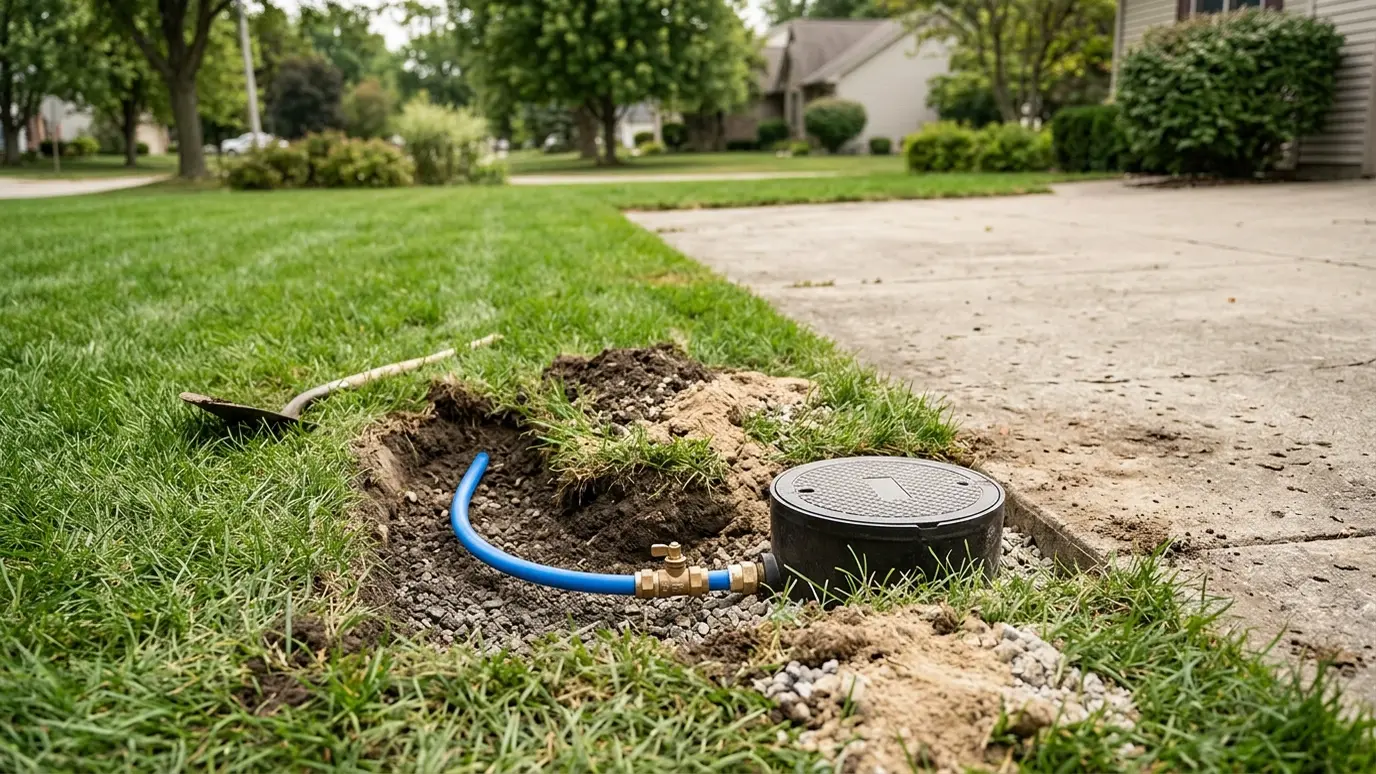
Pipe, fittings, bedding stone, structures and tape all count. Larger pipe, ductile iron and precast structures cost more than small PVC lines. Ask whether materials are included, and whether the utility supplies any of them.
Surfaces and restoration
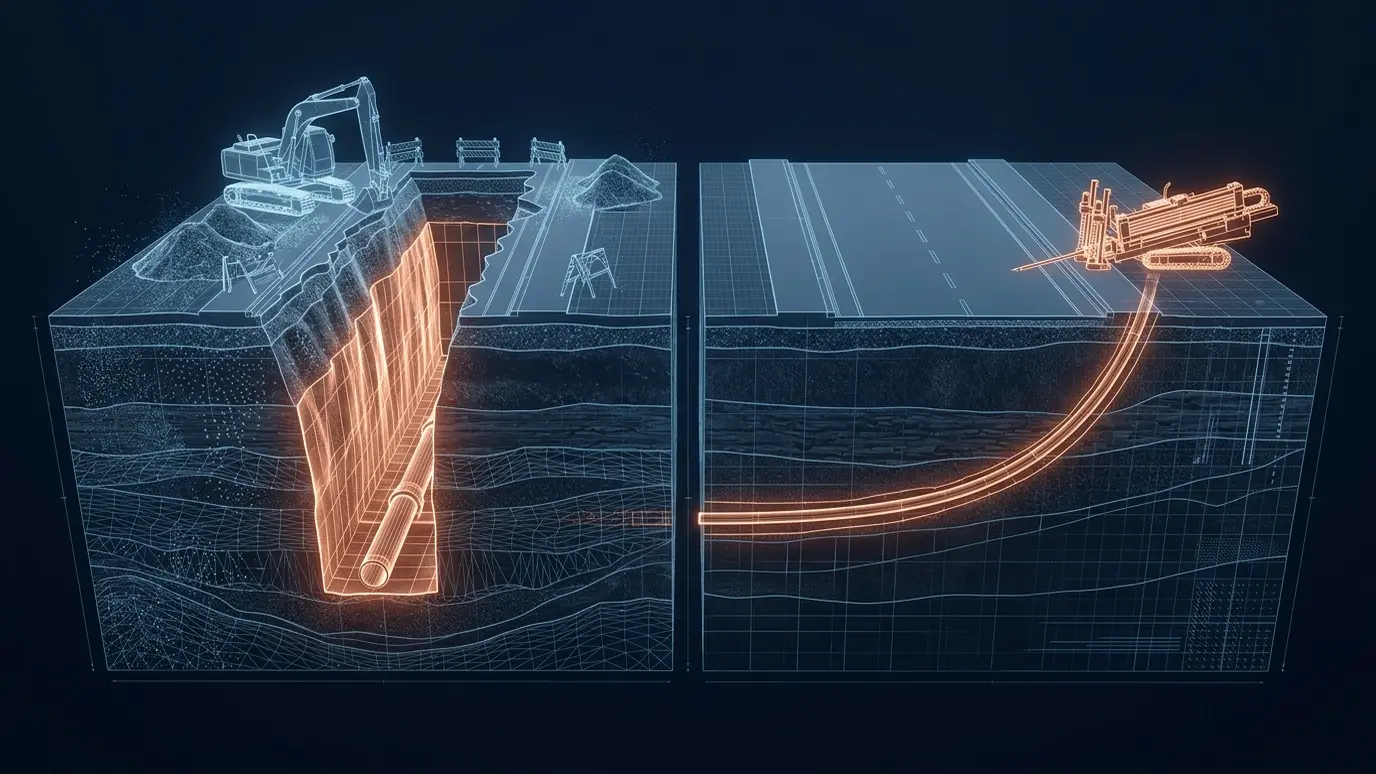
Cutting a driveway, a road or a landscaped bed adds the cost of repair. Boring under a surface can cost more up front but save restoration. Compare both options with restoration included.
Permits, fees and inspections
Tap fees, permit fees and inspection costs are often separate from the contractor price. Utilities set their own fees. A clear quote lists what is included and what the owner pays directly.
How to compare quotes
Compare scope, not just totals: length, depth, pipe, restoration, rock handling and what is excluded. Ask for a written estimate and how the price changes if conditions differ.
Compare written scopes, ask about rock and restoration and keep utility fees separate from contractor pricing.