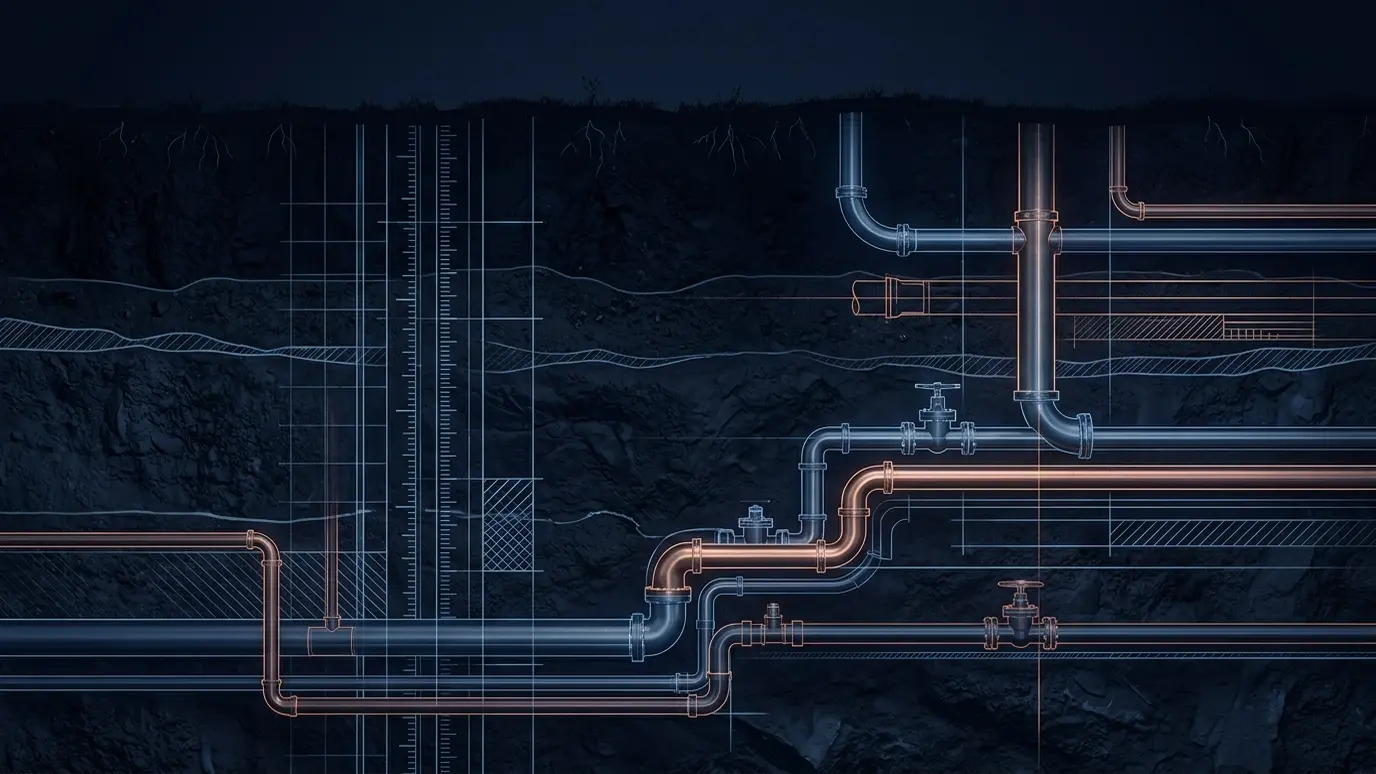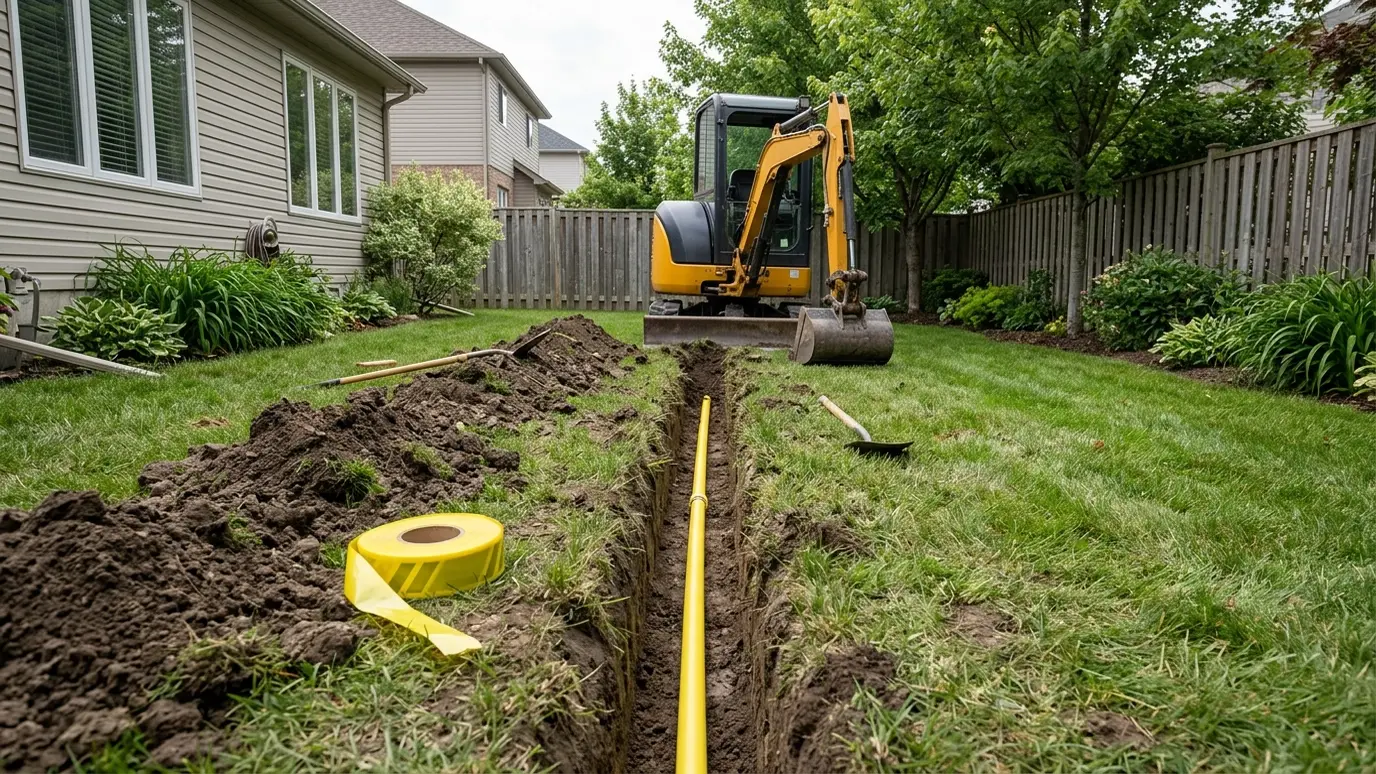
Trenching, bedding and backfill for underground natural gas lines, coordinated with the gas utility and the qualified crews who make the connections.
Natural gas lines are installed underground for safety and appearance, but they are a utility where the rules are not flexible. The pipe, the depth, the separation from other lines, the warning tape and the final connection all follow the gas utility and code requirements.
We handle the trenching side: locating, digging the route, preparing a clean bed, backfilling and restoring the surface. Gas pipe installation, pressure testing and meter connection are done by the gas utility or a qualified gas contractor, and we schedule our work around theirs. That way the trench is open and ready when they arrive, and closed neatly when they are done.
Gas lines must keep clear of electric, water and sewer lines. We locate and pothole crossings, plan the route to hold the required separation and tell you early if a conflict needs a different path.
Gas pipe needs a clean, rock-free bed. Warning tape goes in above it so a future excavator knows what lies below, and tracer wire is added where it is specified.
The gas utility often inspects the trench before backfill. We keep the trench open until they are done and schedule the closing the same day.
Gas has a distinctive added odor. If you ever smell it near a trench or a meter, leave the area and call the gas utility or emergency services right away.
Drag the handle to compare.
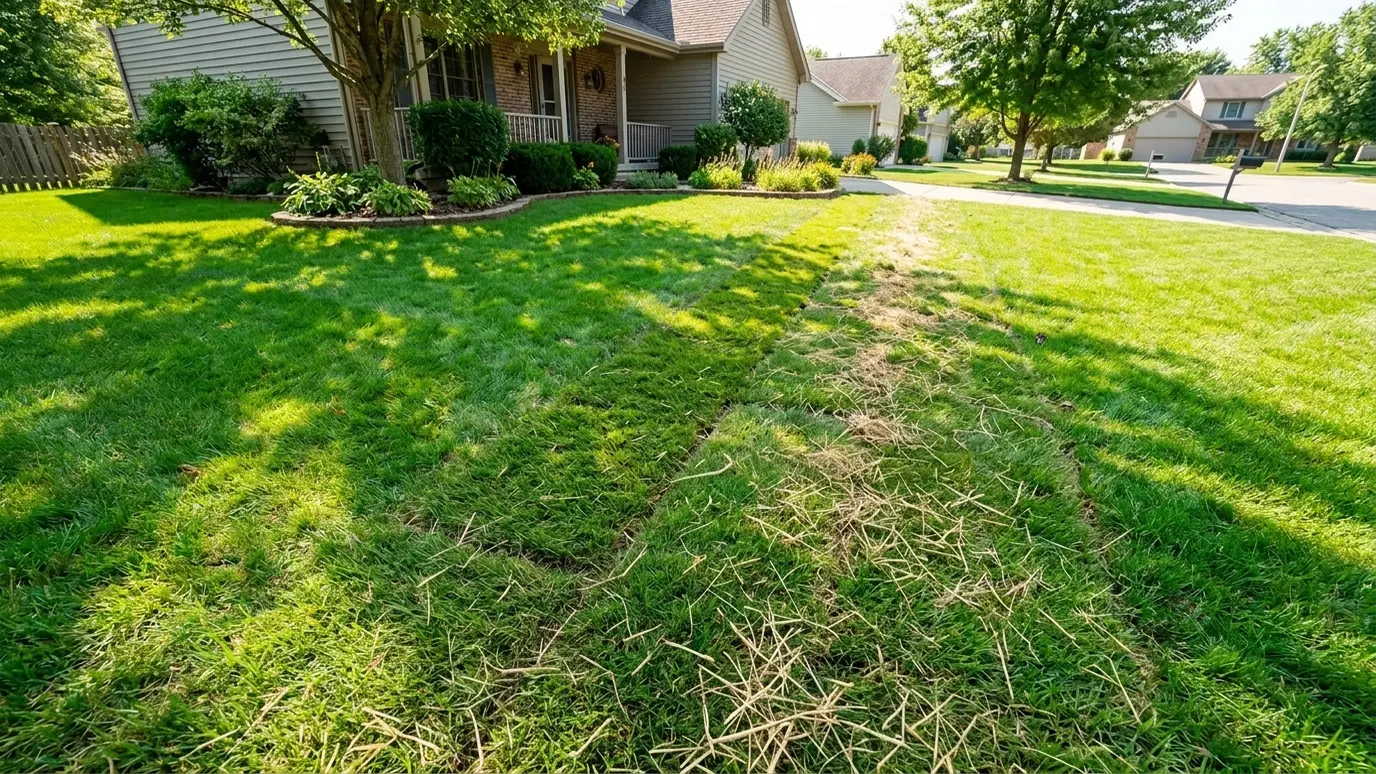
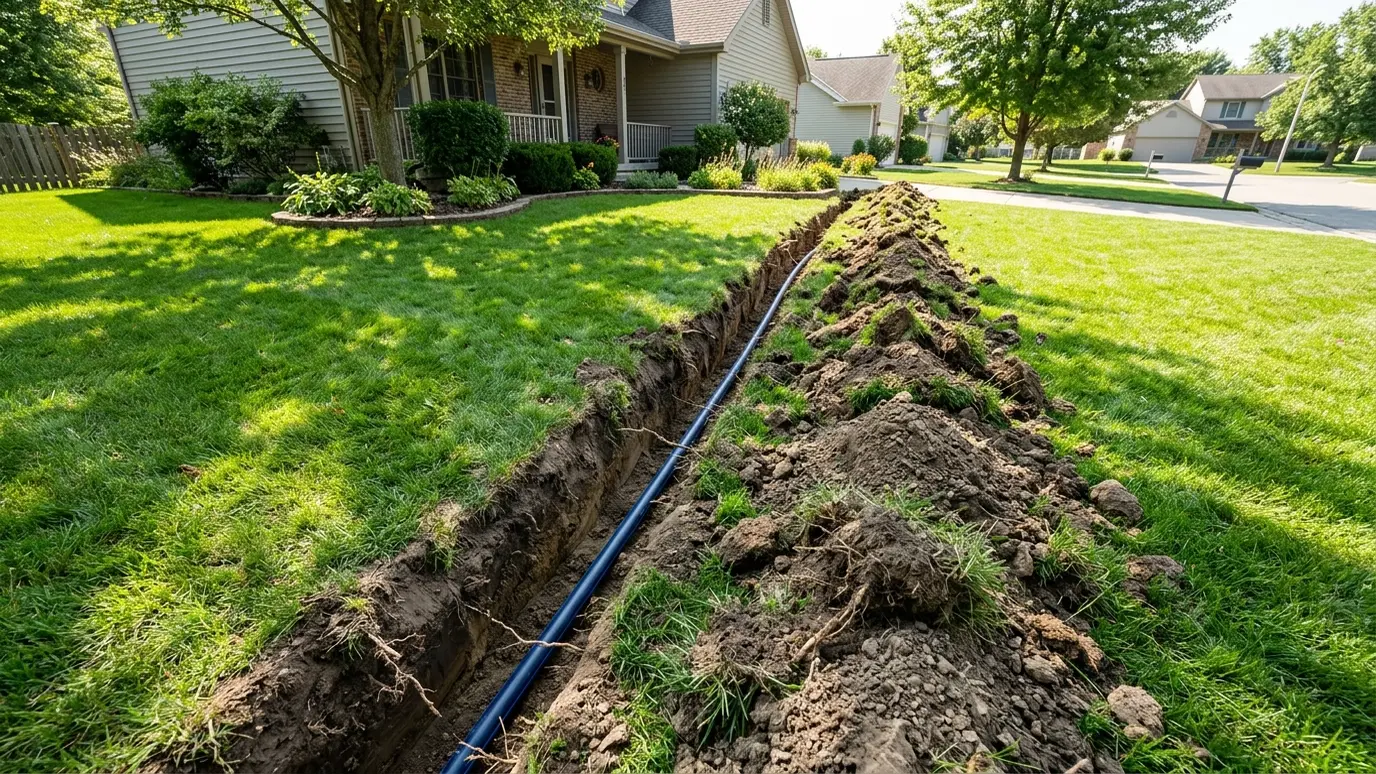 BeforeAfter
Route and depth as specified.
Potholing before we cross lines.
Pipe protected in the trench.
Protection from future digging.
Trench open for inspection.
Lawn and surfaces put back.
Every topic has its own page with what to expect and how we approach it.
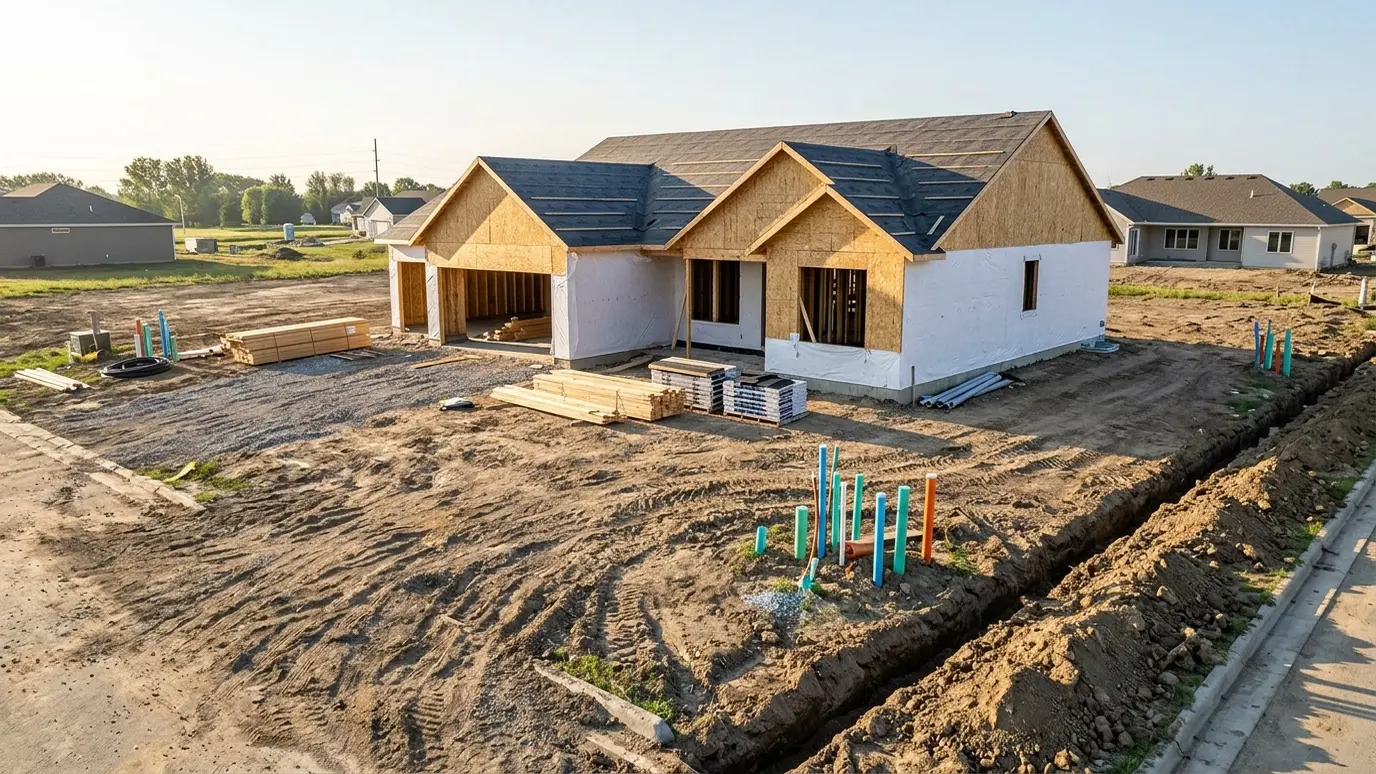 SituationNew Home BuildsWater, sewer, electric, gas and data for a new house: what has to be in the ground, in…Learn more
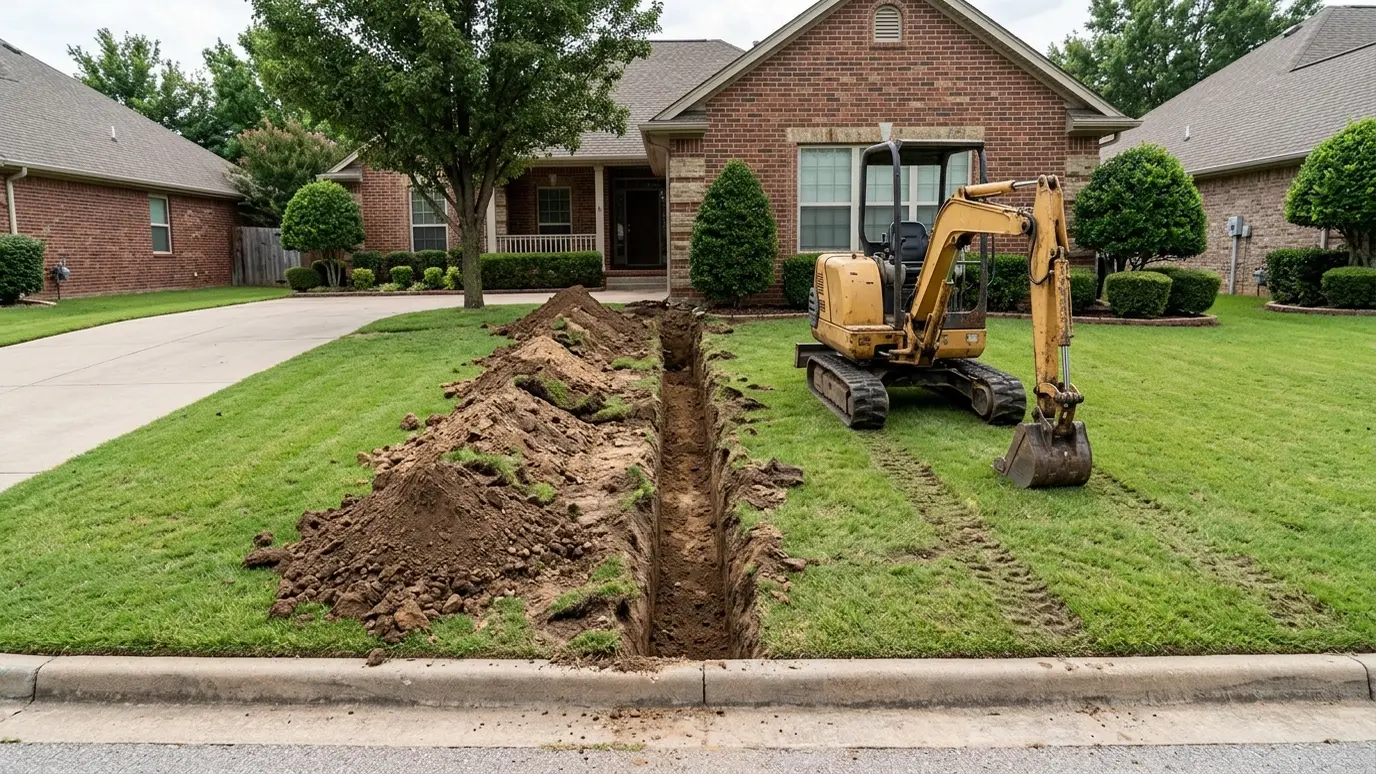 SituationHomeowner Line RepairsSlow drains, wet spots, low pressure and sunken lawns: how to tell what is wrong underground and what…Learn more
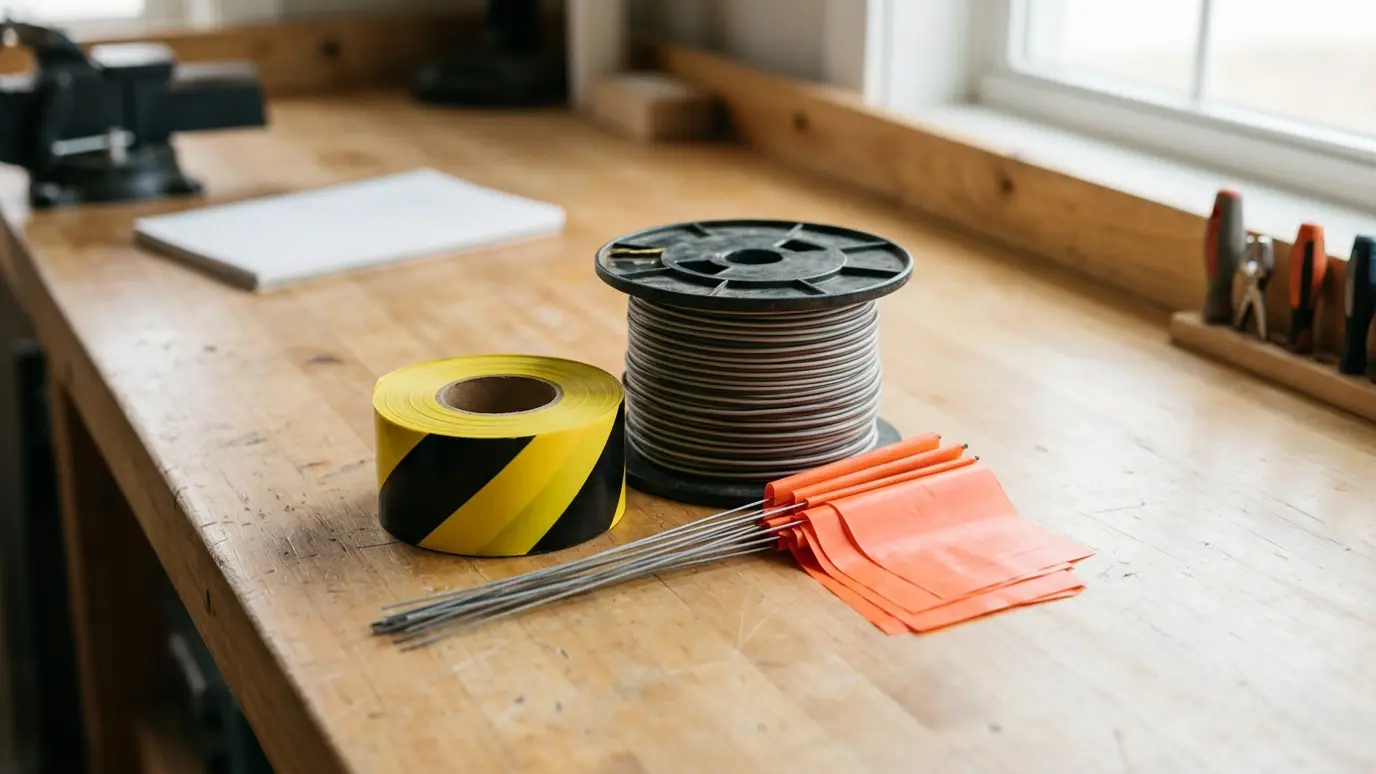 Material guideTracer Wire and TapeThe inexpensive extras that make a buried line findable and safe from the next shovel: warning tape, tracer…Learn more
Enter trench length, width and depth and see cubic yards of soil, truckloads and bedding stone to plan for.
Tell us what you need and send photos or a site plan if you can. We plan the visit so we arrive ready.
We call 811, walk the site, confirm lines and plan the route and depth.
You get a clear written price, and we agree a day and an arrival window.
Trenching or boring to the plan, with safe walls, careful spoil handling and protection for your lawn.
Pipe or conduit laid on a good bed, joints checked, tests and inspections done before cover-up.
Compacted backfill, grading, sod or paving repair and a walk-through with you.
That is done by the gas utility or a qualified gas contractor. We excavate, prepare the bed, backfill and restore the surface.
Depth depends on the utility standard and the surface above. We dig to the depth specified for your project.
Sometimes, with the separation rules satisfied. We plan the layout with the utility requirements in mind.
Leave the area and call the gas utility or emergency services from a safe distance. Do not try to dig or investigate.
Only if a line is damaged. Locates, careful digging and warning tape reduce the risk to a minimum.
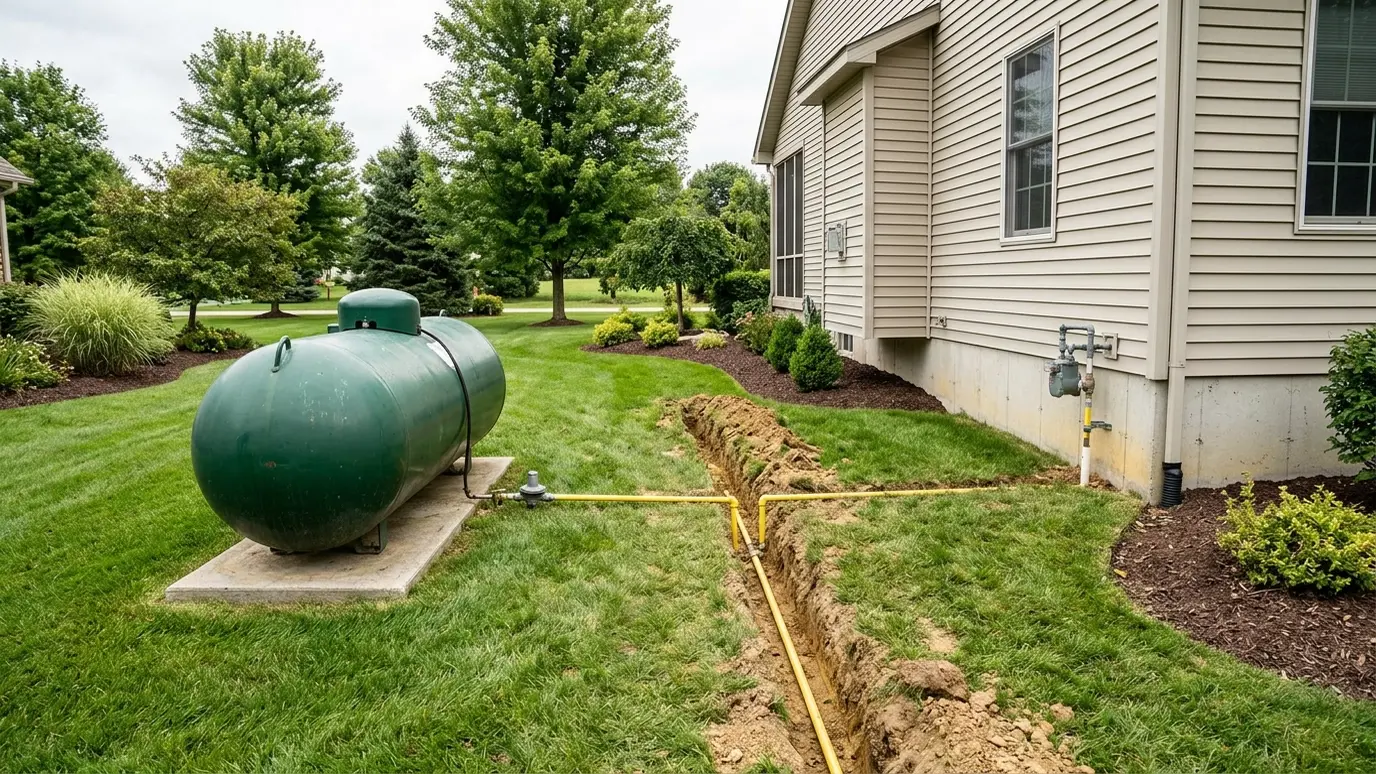 Propane LinesTrenches, pads and bedding for underground propane lines from the tank to the house, coordinated with your propane…Explore
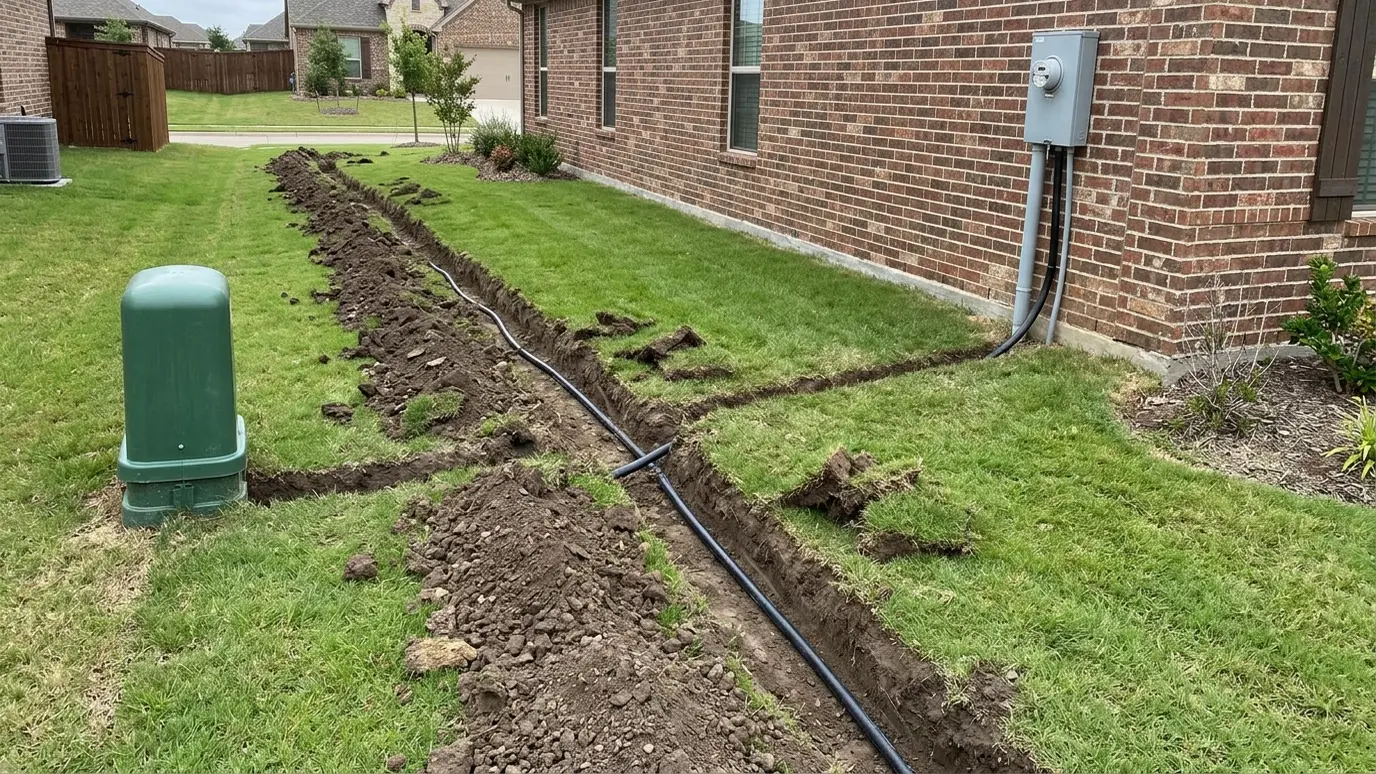 Underground Electrical ServiceTrenching, conduit and pad work for the underground power service that feeds your home, shop or building, ready…Explore
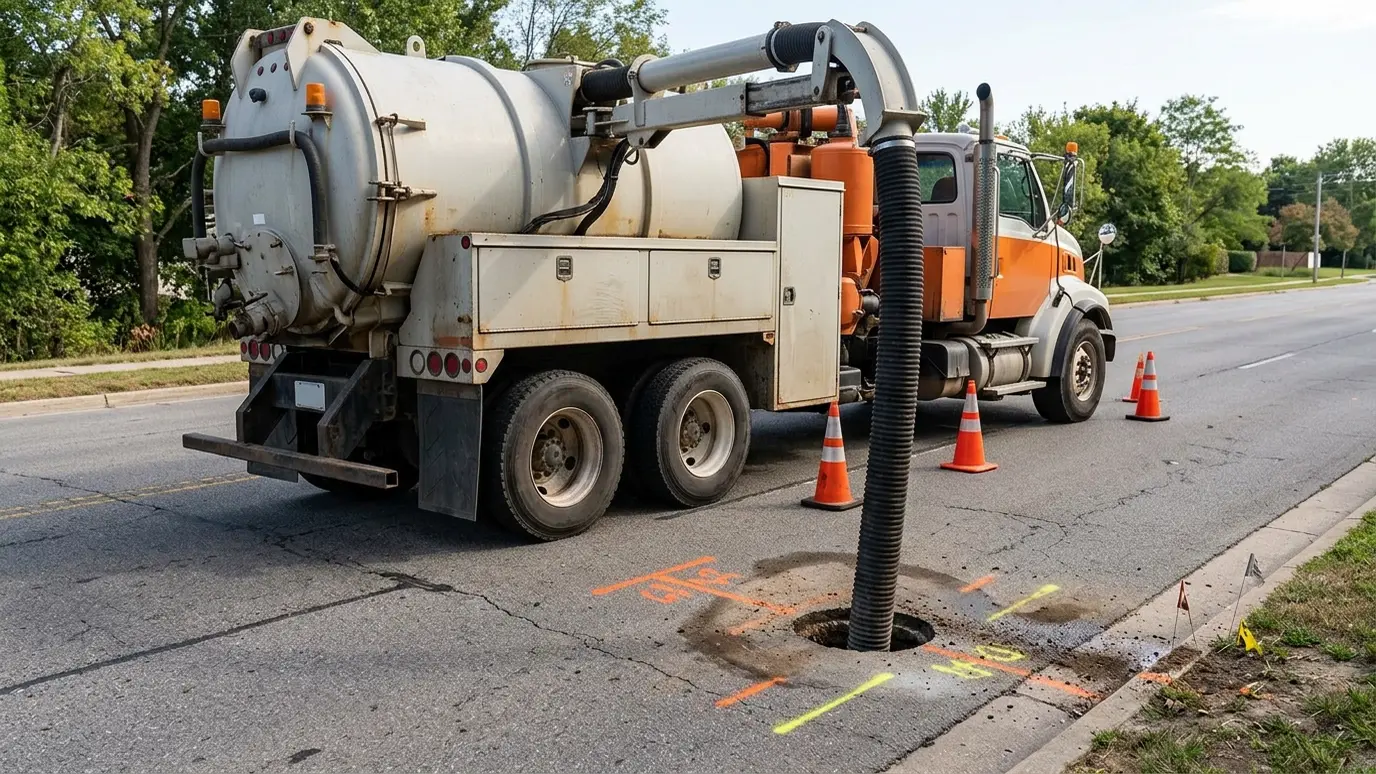 Potholing and Vacuum ExcavationSmall, careful holes dug with air and vacuum to see exactly where buried lines run before the heavy…Explore
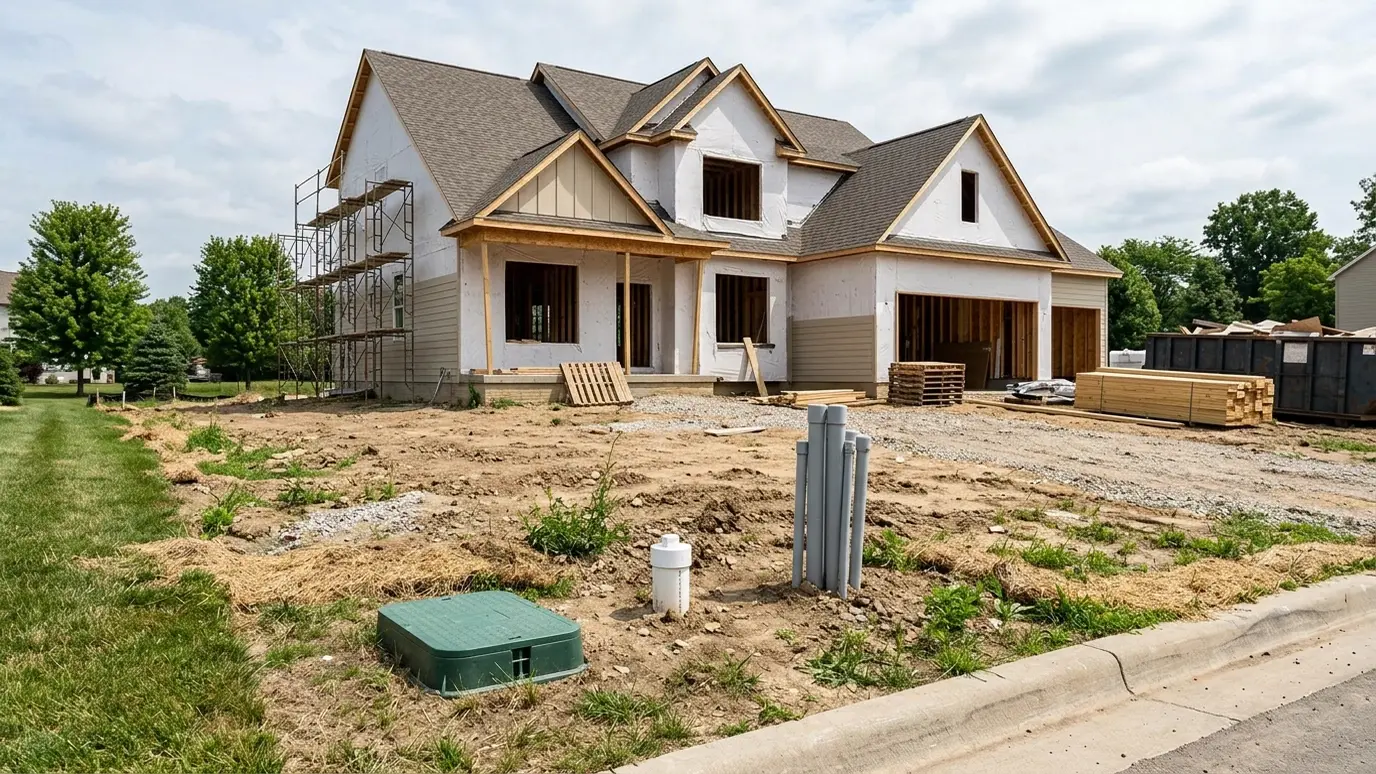 New Home HookupsWater, sewer, electric, gas and communication connections for a new house, trenched and stubbed to the foundation on…Explore
Tell us about the job and we will call you back quickly.
Or call (615) 357-7797 to talk now.