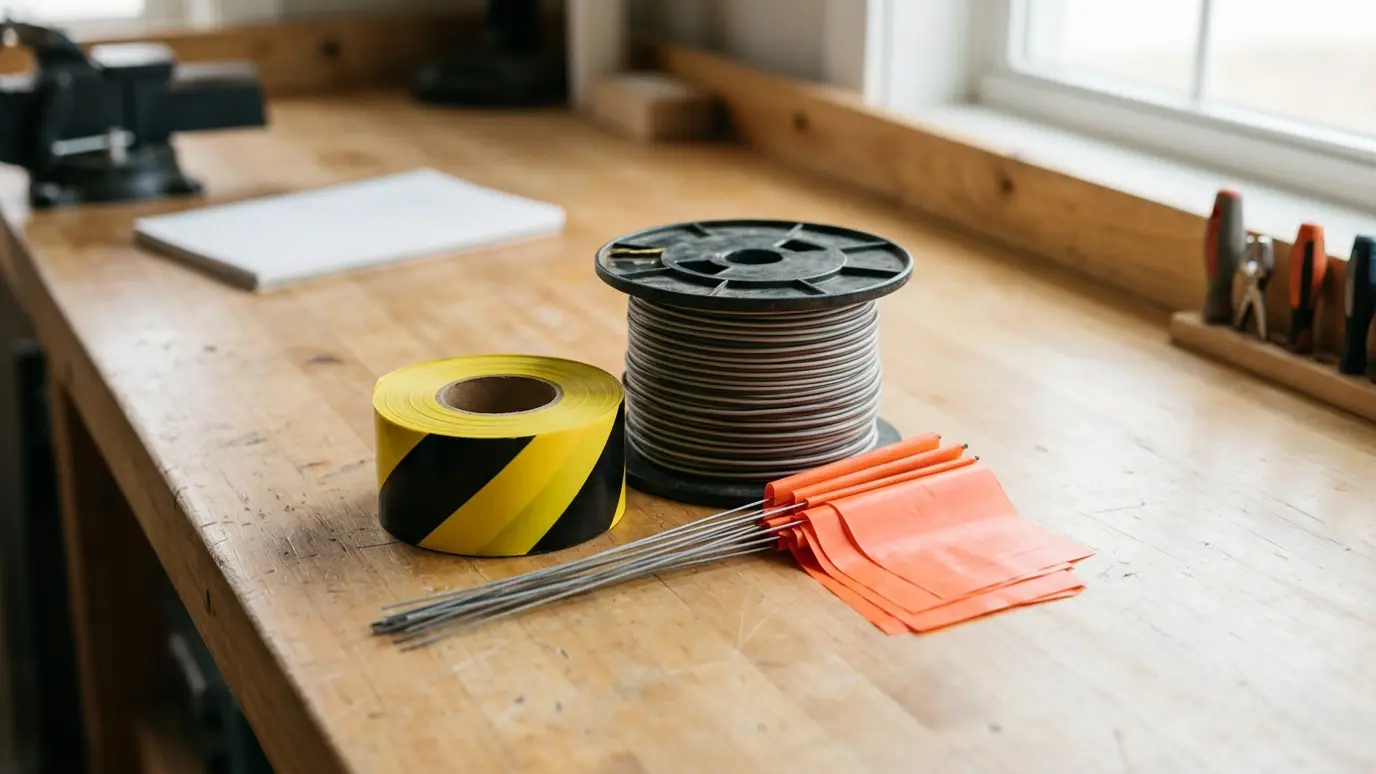
The inexpensive extras that make a buried line findable and safe from the next shovel: warning tape, tracer wire and marker balls.
Plastic pipe and conduit cannot be found with a metal locator. Years later, nobody remembers where they run. The fix is inexpensive and easy while the trench is open: warning tape above the line and a copper tracer wire along it.
Warning tape is a brightly colored plastic ribbon laid above the pipe. A digger who hits it knows something is below and stops. Tracer wire is a coated copper wire taped along the pipe, with access points at the ends. A locator sends a signal into it and the line can be traced from above. Marker balls and route records add a further layer.
Color-coded by utility.
Lets locators find plastic pipe.
Wire ends at boxes or risers.
Where the line runs, on file.
Digging stops at the tape.
Easy to add with the trench open.
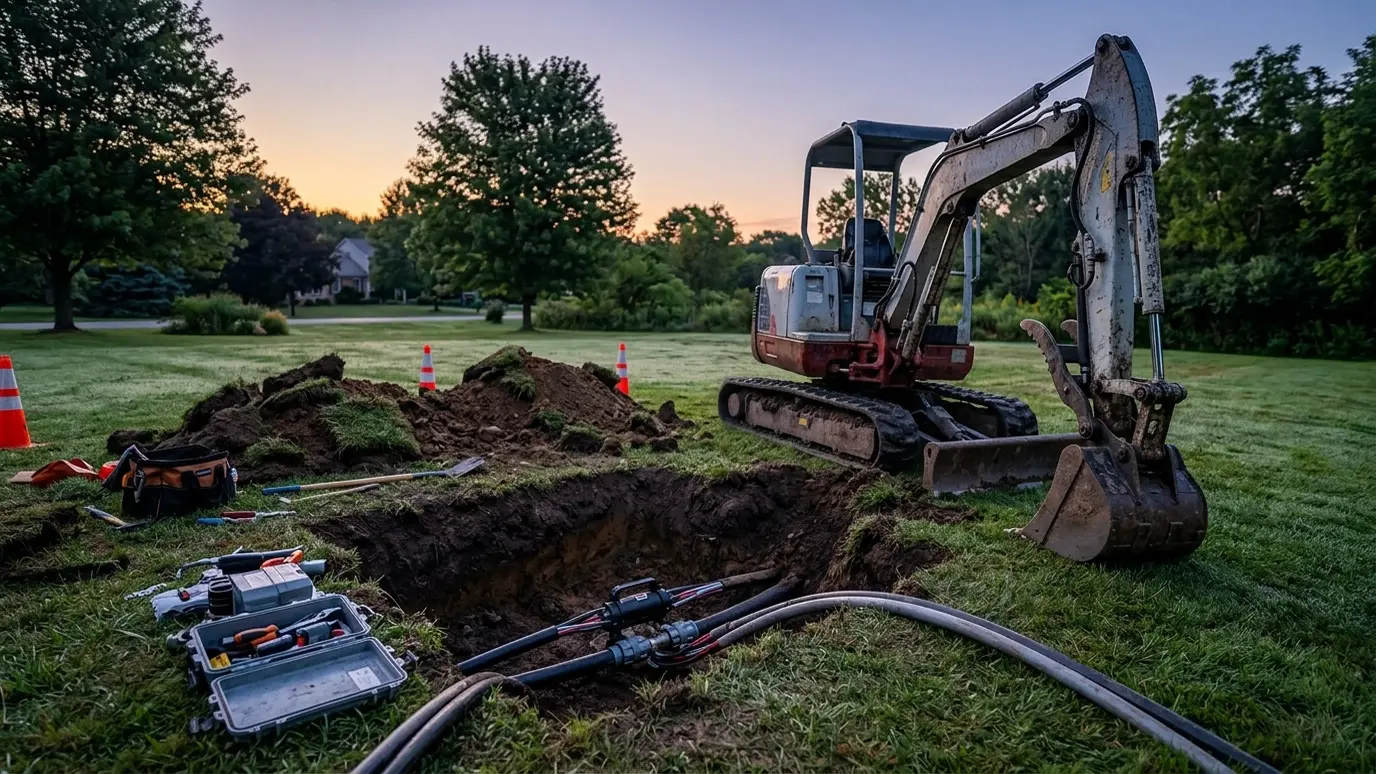 Cable Fault ExcavationCareful excavation to expose buried cable and conduit damaged by water, digging or age, so qualified crews can…Explore
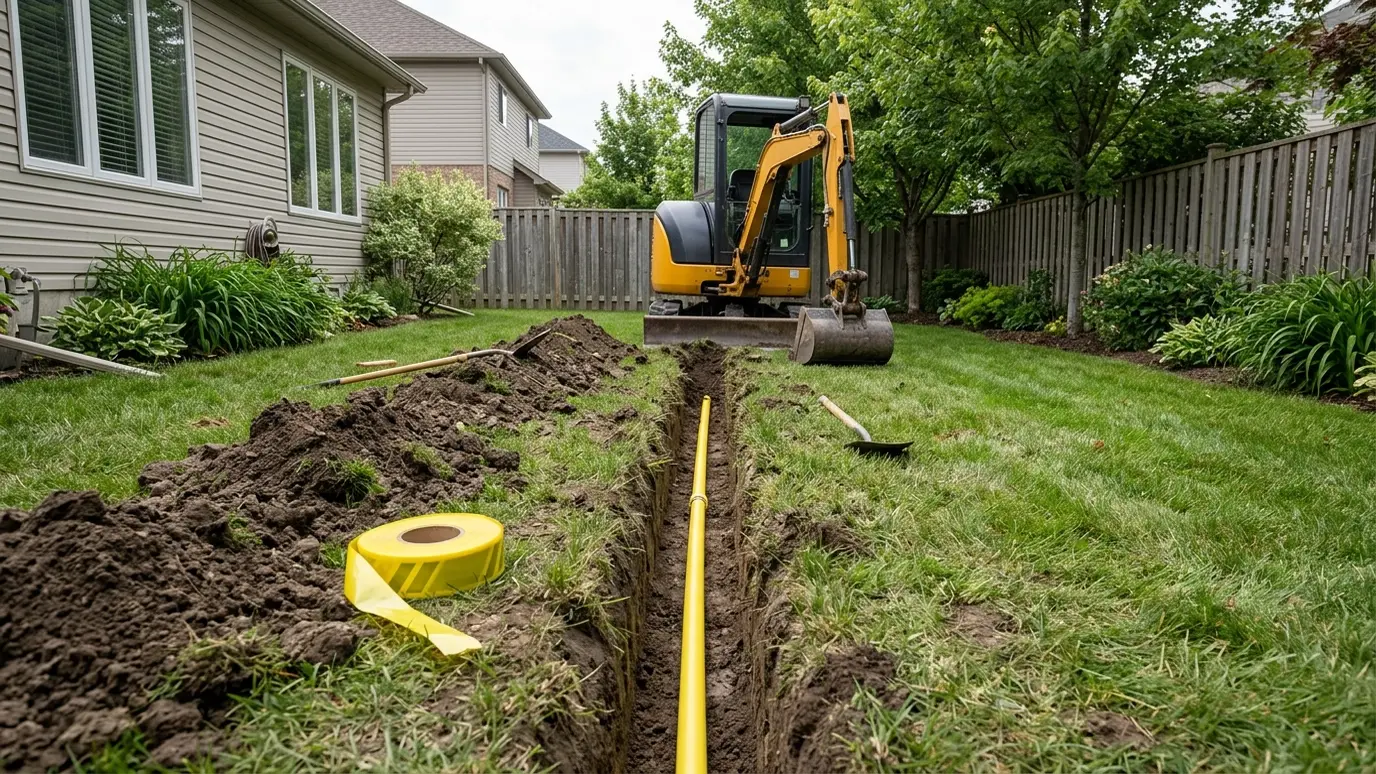 Natural Gas Line TrenchingTrenching, bedding and backfill for underground natural gas lines, coordinated with the gas utility and the qualified crews…Explore
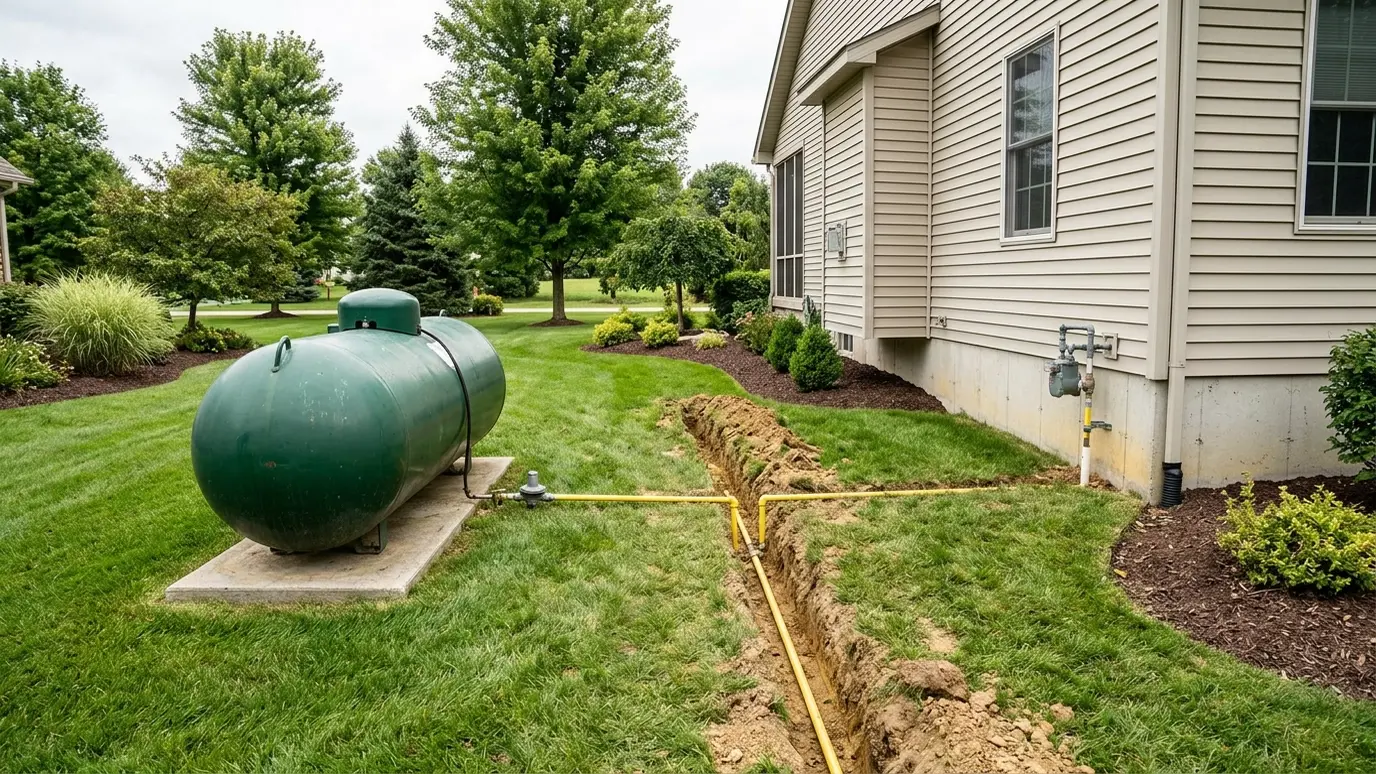 Propane LinesTrenches, pads and bedding for underground propane lines from the tank to the house, coordinated with your propane…Explore
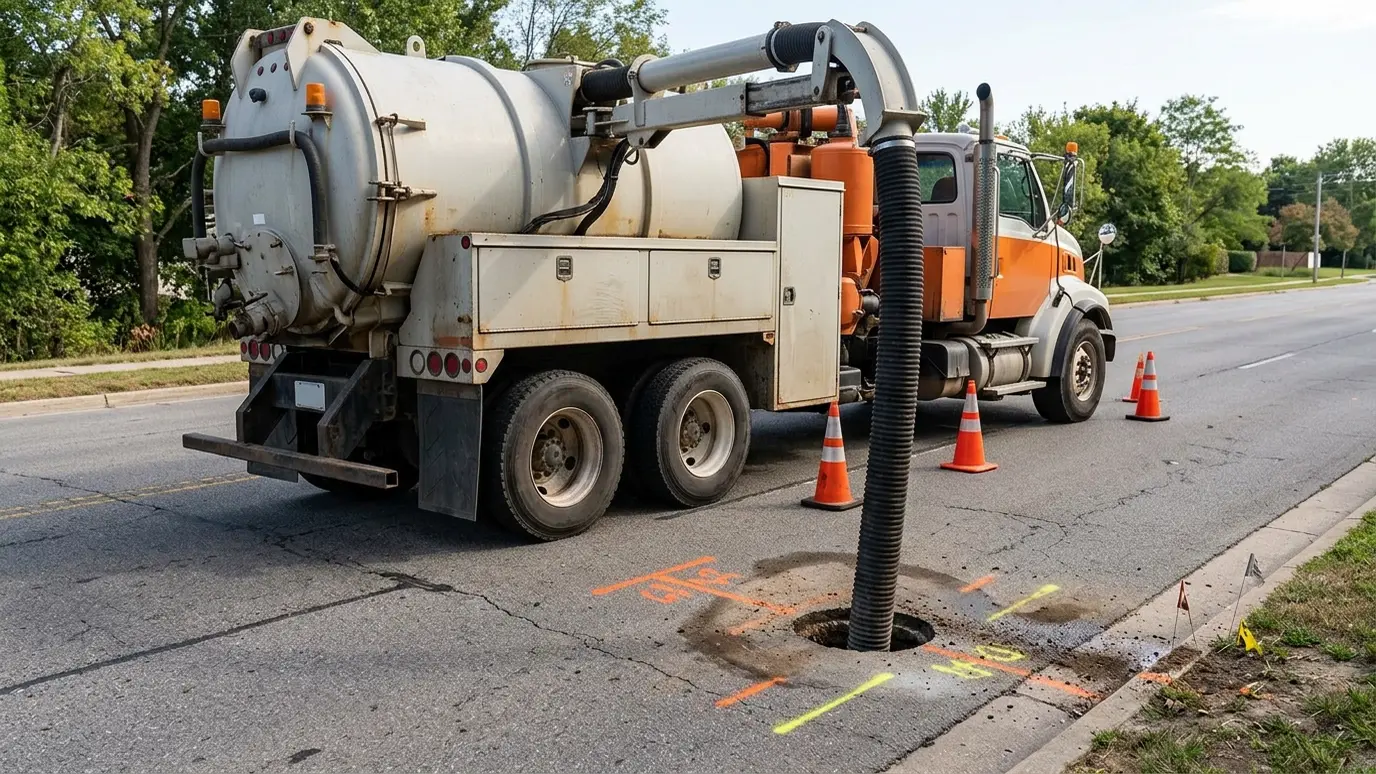 Potholing and Vacuum ExcavationSmall, careful holes dug with air and vacuum to see exactly where buried lines run before the heavy…Explore
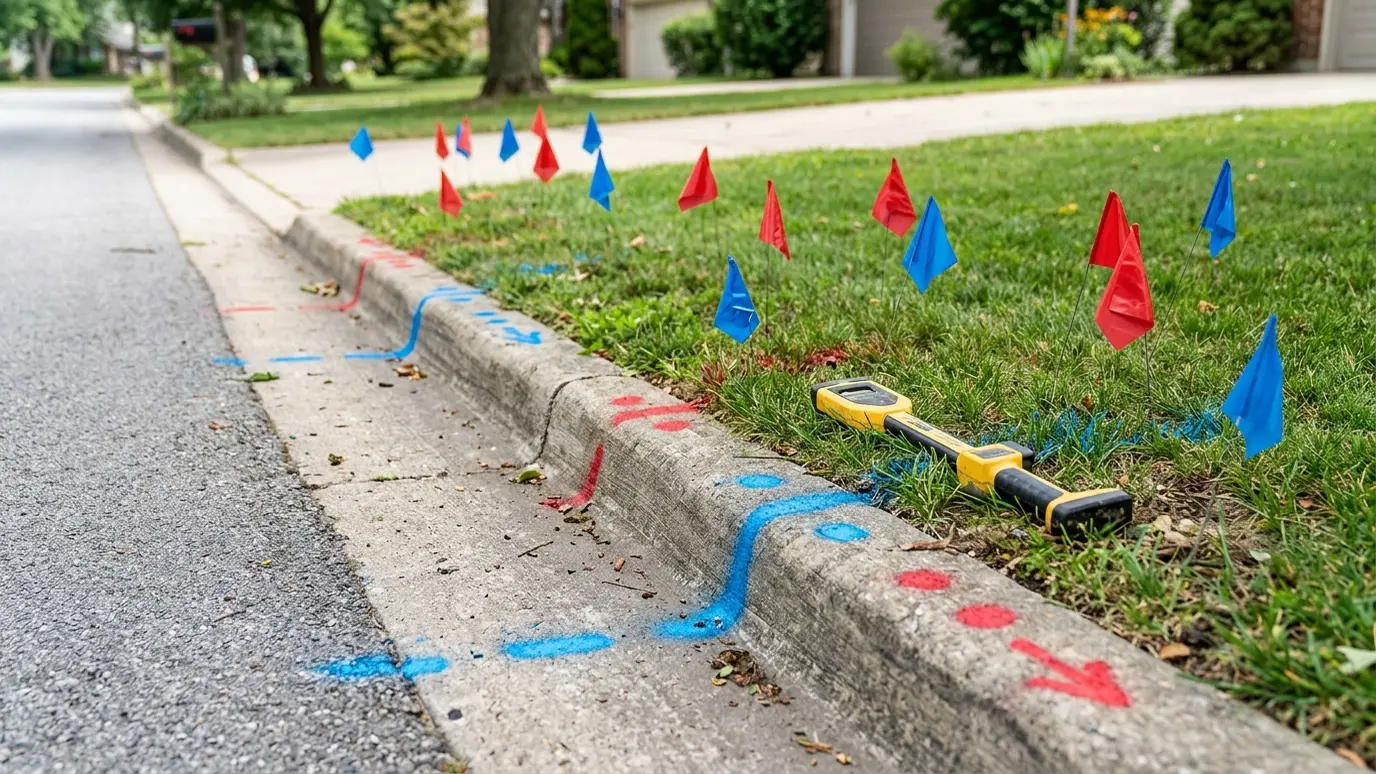 Locating and 811We handle the call to 811, coordinate with the utilities and make sure every line is marked before…Explore
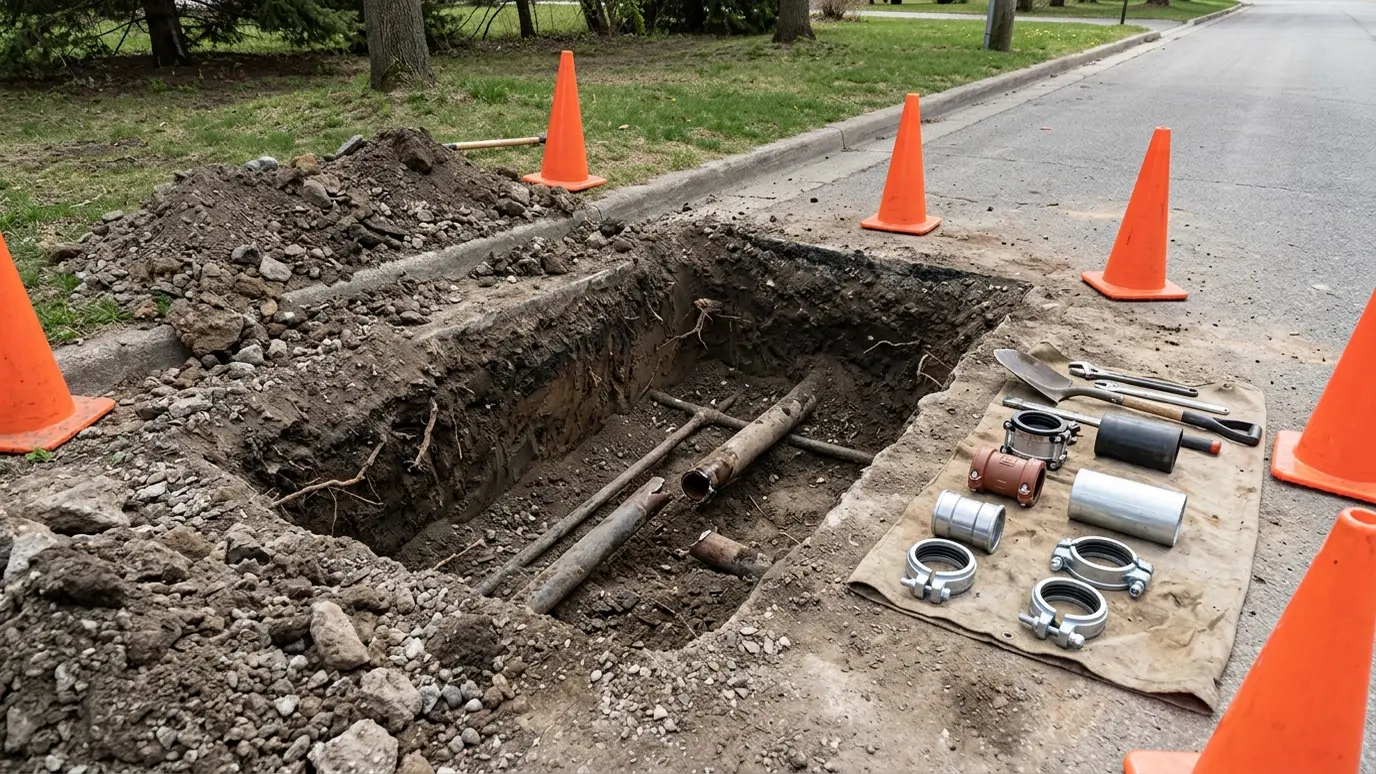 Utility Strike RepairRepairs after a shovel, auger or excavator hits a buried water, sewer, gas, power or communication line, coordinated…Explore
Size a trench, plan a pipe slope or ballpark the cost.
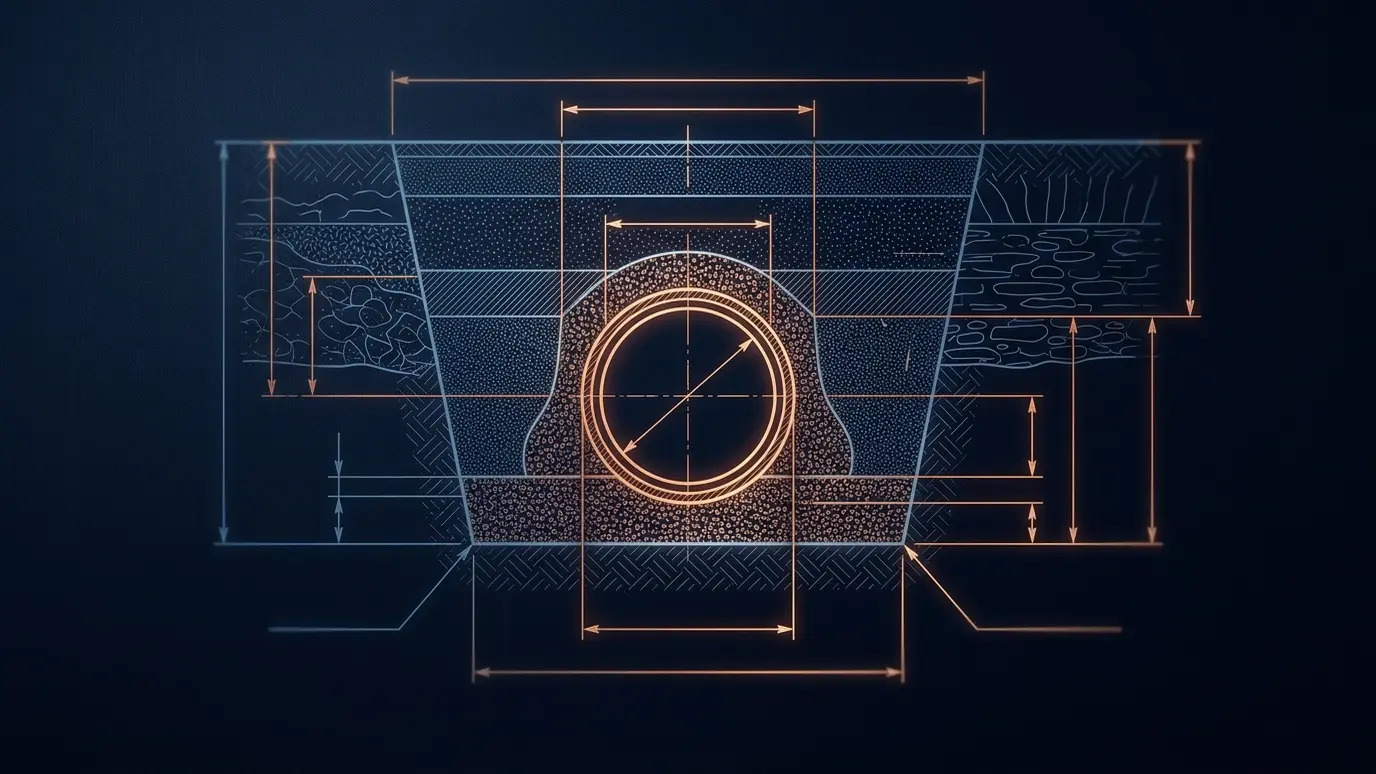 Trench Volume and Spoil CalculatorEnter trench length, width and depth and see cubic yards of soil, truckloads and bedding stone to plan for.Try it
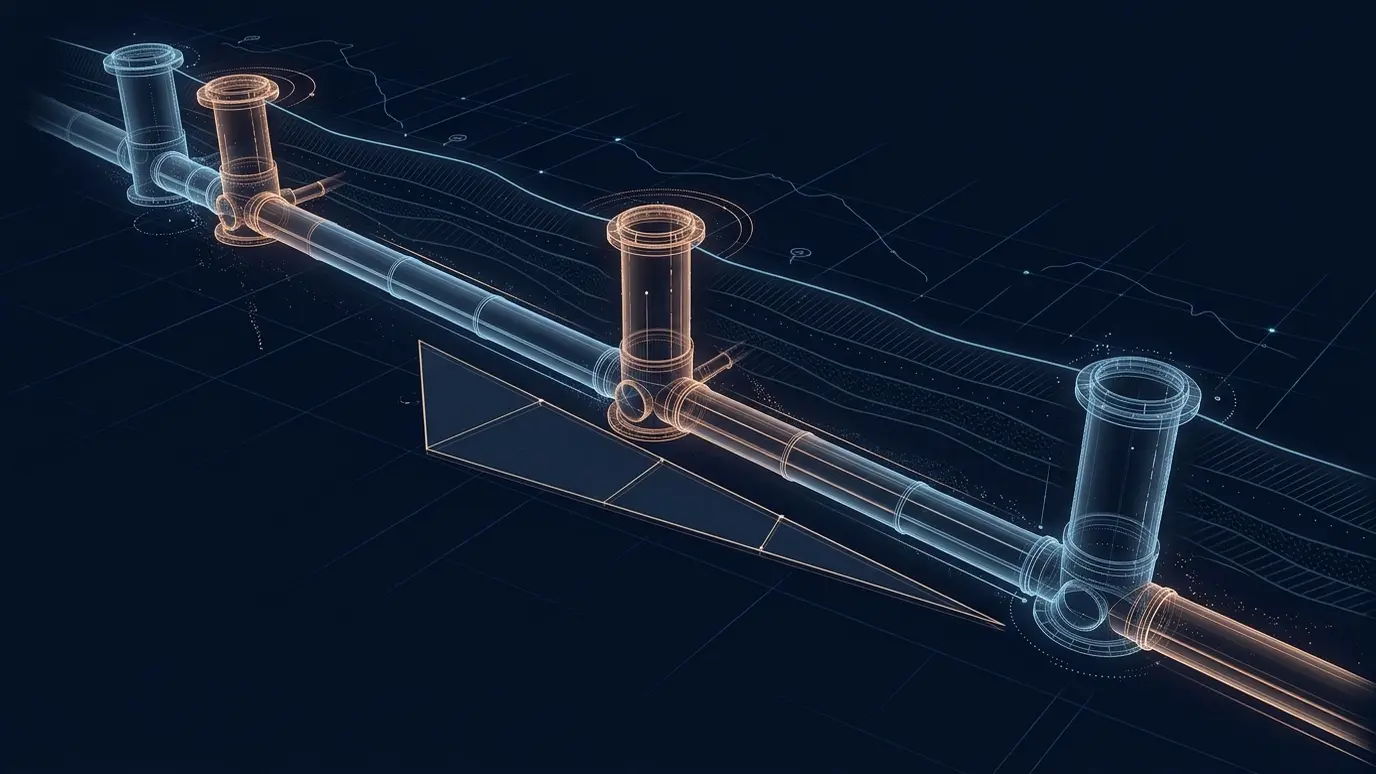 Pipe Slope and Fall CalculatorEnter run length and slope and see the total fall and the invert elevation at the far end.Try it
 Underground Utility Cost EstimatorPick a project and a size and get a ballpark planning range.Try it
Plastic pipe and non-metallic conduit usually do. Metal lines can be found without it.
Colors follow the utility color code, such as red for electric, yellow for gas and blue for water.
Not easily. It is best installed while the trench is open.
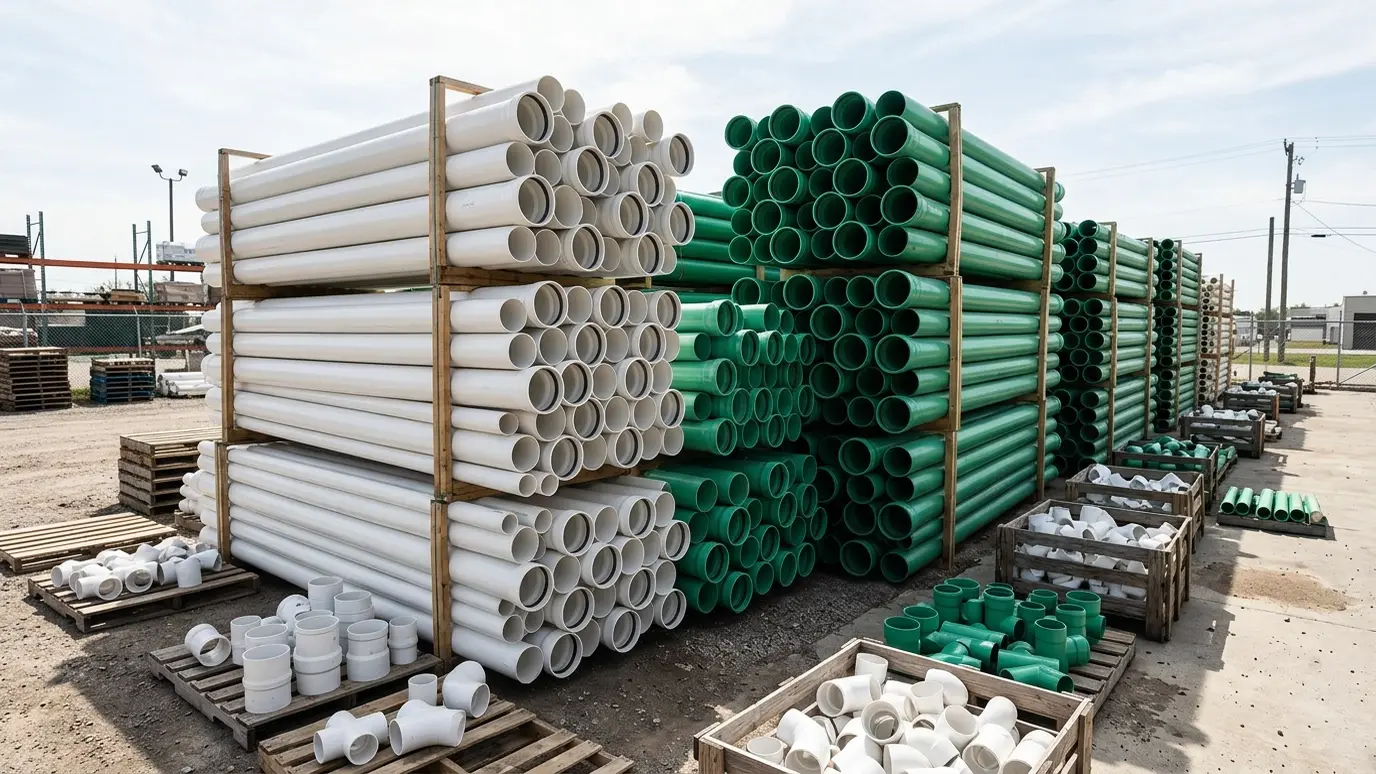 Material guidePVC PipeThe most common modern underground pipe: where PVC is the right choice, how it is joined and what…Learn more
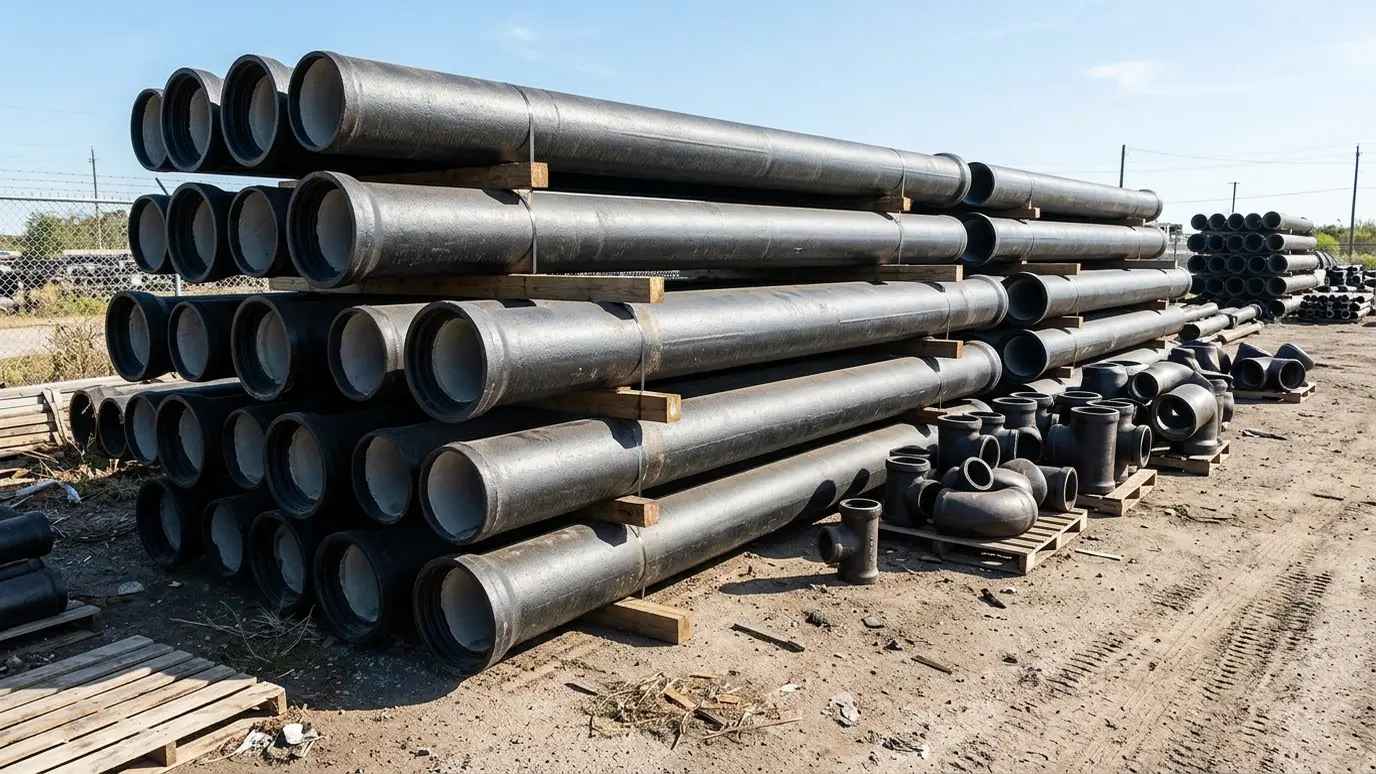 Material guideDuctile Iron PipeThe strong, long-lived metal pipe used for water mains, fire lines and heavy-duty crossings, and how it is…Learn more
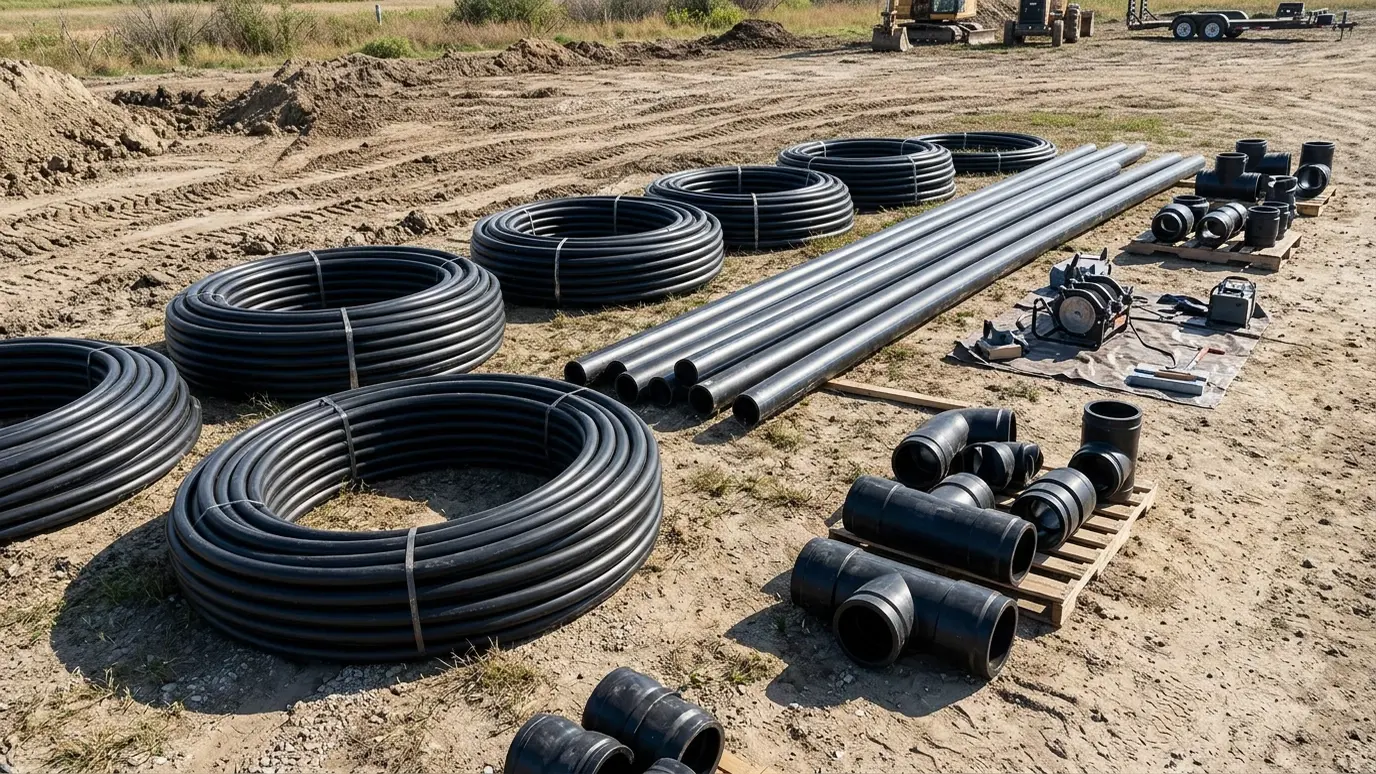 Material guideHDPE PipeFlexible black polyethylene pipe for bores, pipe bursting, force mains and water lines, joined by heat fusion into…Learn more
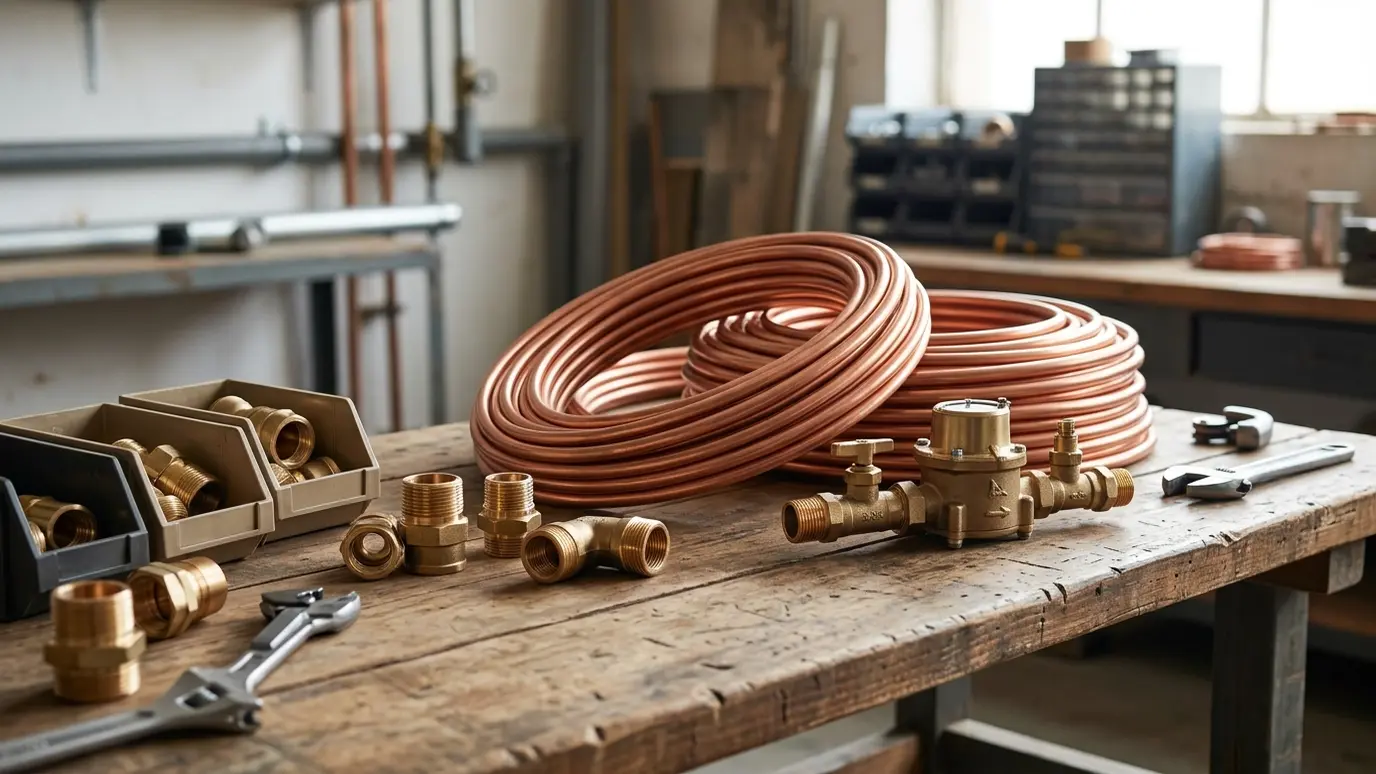 Material guideCopper Service LinesCopper tubing for water services: why it is still widely used, how it is joined and where it…Learn more
Quick scheduling, careful work and a clear price before we start.