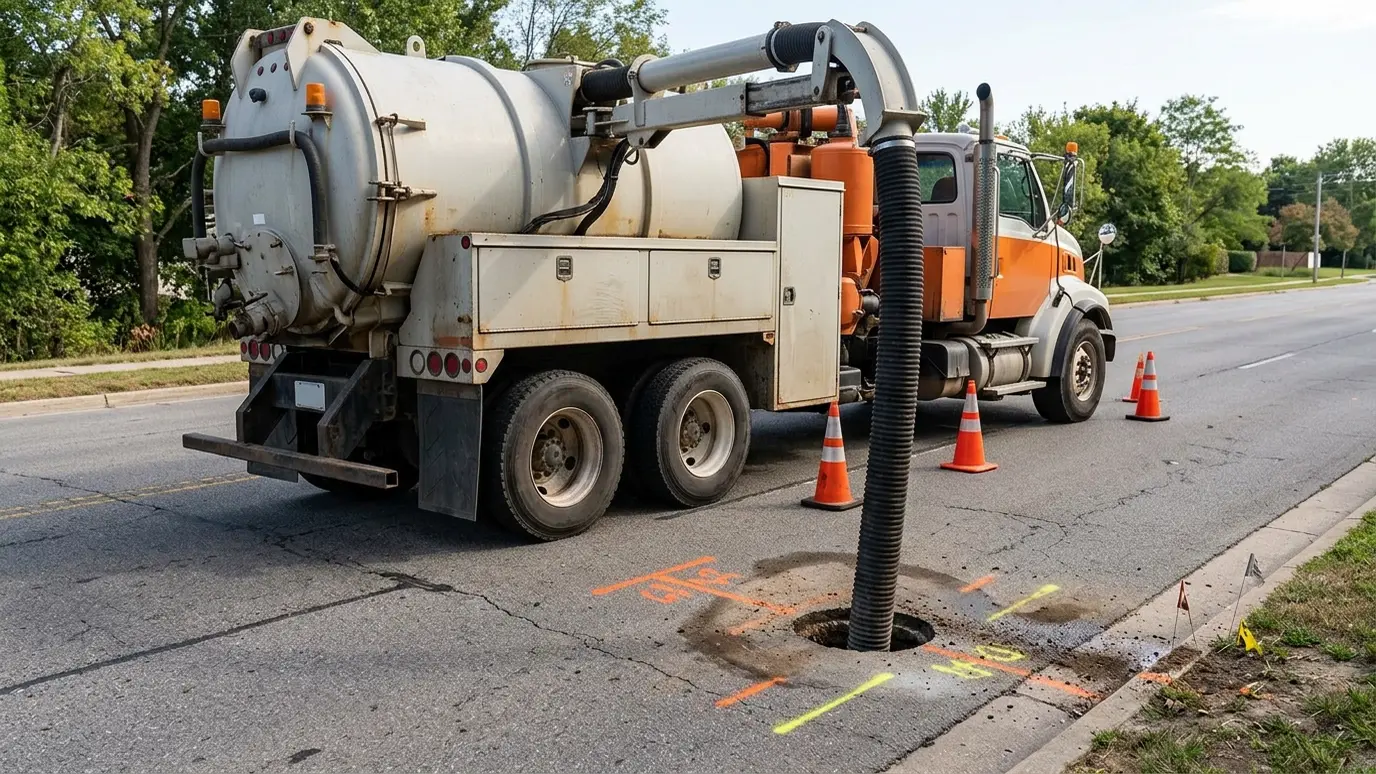
Small, careful holes dug with air and vacuum to see exactly where buried lines run before the heavy equipment starts.
Painted marks on the ground tell you roughly where a line runs, not exactly how deep it is or what is beside it. Potholing, also called soft digging, opens a small hole at a crossing or a critical spot to expose the line and measure it. It is the best way to avoid striking something expensive or dangerous.
We use vacuum excavation, which loosens soil with air or water and removes it with a powerful vacuum. The hole is small, clean and gentle on the line. We measure the depth and position, record it and backfill the hole. That information lets the main excavation proceed with confidence.
A vacuum cannot gouge a pipe or cable the way a bucket or a shovel can. It also leaves small, neat holes and almost no mess.
Wherever a new line must cross an old one, we expose the old one first. Knowing the true depth lets us pass over or under it with the right clearance.
We note depth, material, size and position, and mark the location. Those records help designers, inspectors and the next crew.
A well-recorded pothole saves the next project from repeating it. We note depth and material and, where useful, take photographs and survey the location.
Drag the handle to compare.
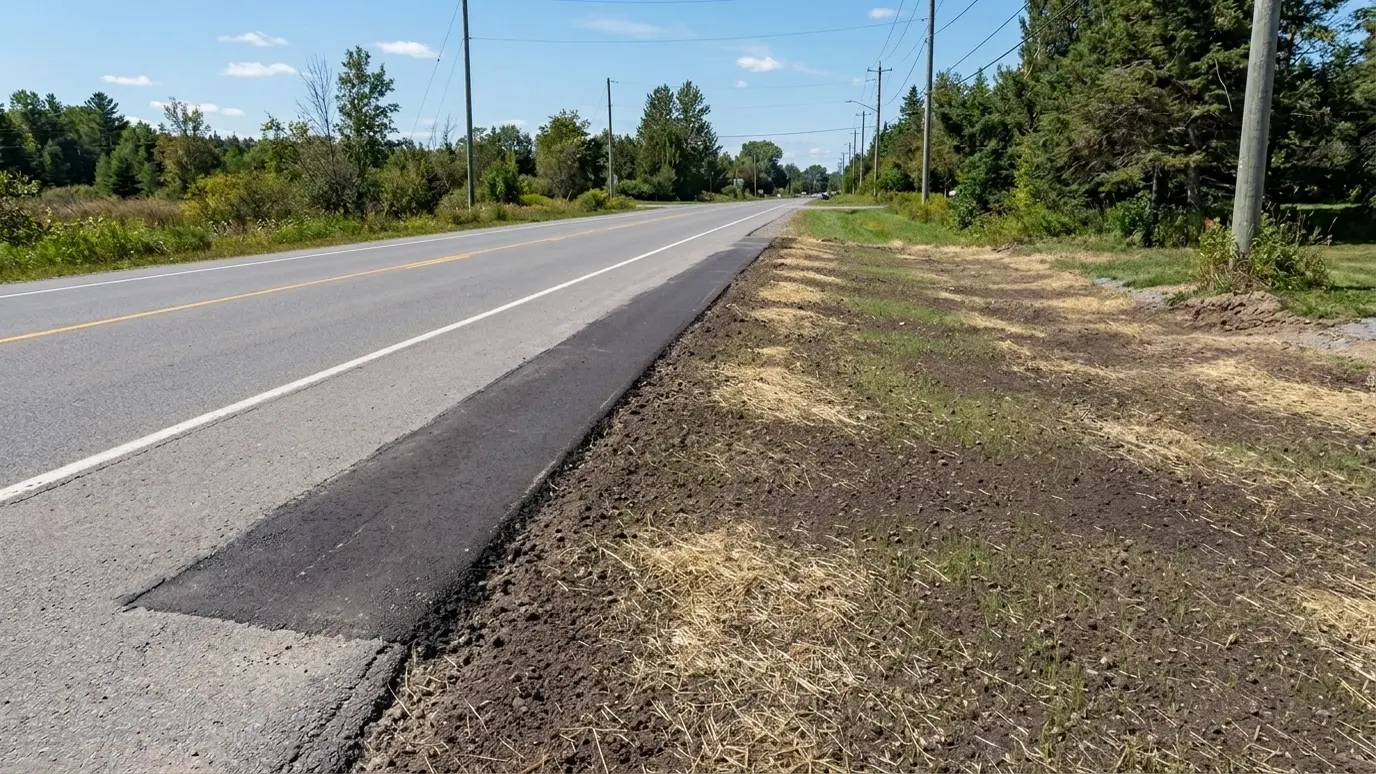
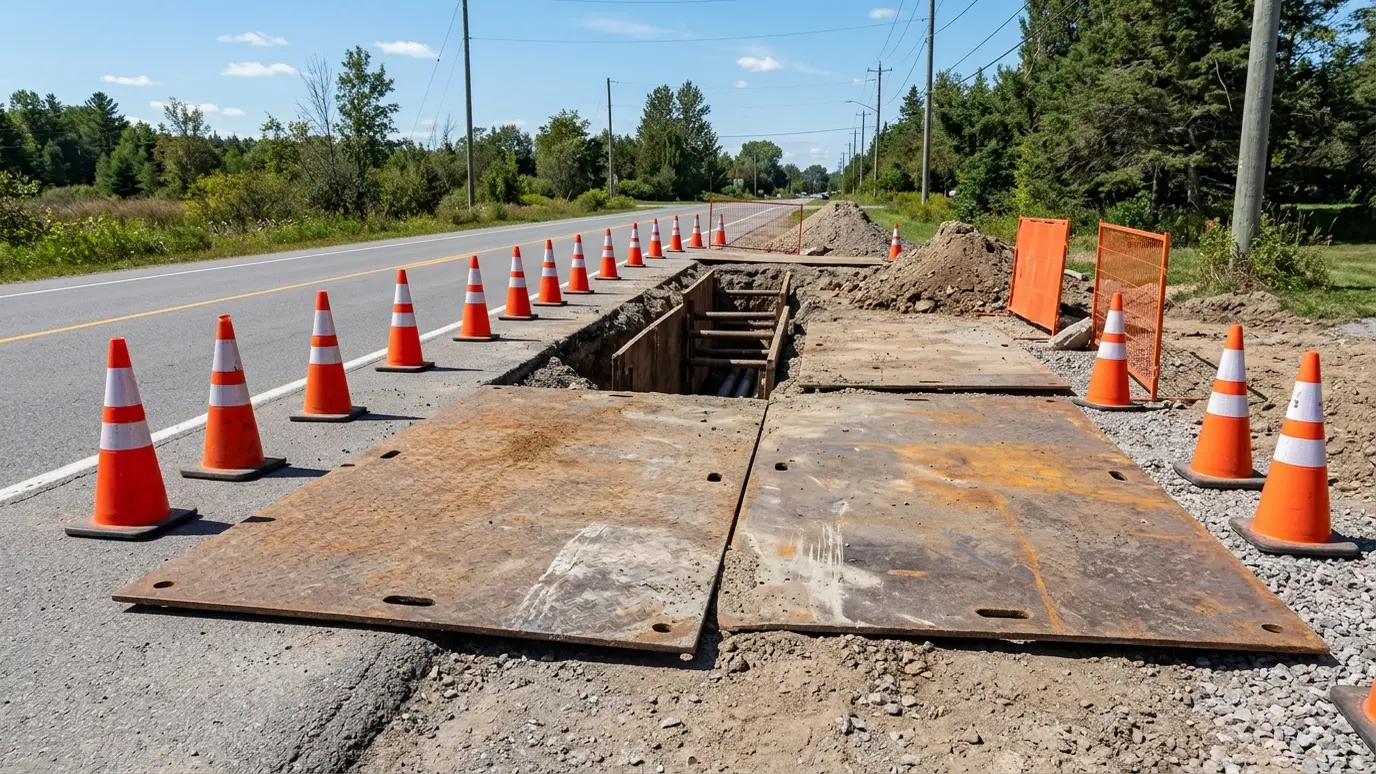 BeforeAfter
Lines exposed and measured.
Vacuum, not a bucket.
Measured and documented.
Safer main excavation.
Backfilled and restored.
Many holes in a day.
Every topic has its own page with what to expect and how we approach it.
 SituationDevelopers and BuildersInfrastructure for subdivisions and multi-lot projects: schedules, sequencing, inspections and clean hand-offs to the next trades.Learn more
 SituationCommercial and IndustrialUtilities for stores, offices and industrial sites: fire lines, vaults, sewer, storm, power and conduit, built to the…Learn more
 Material guideTracer Wire and TapeThe inexpensive extras that make a buried line findable and safe from the next shovel: warning tape, tracer…Learn more
Pick a utility and a surface and see typical cover depths and separation notes to check with your provider.
Tell us what you need and send photos or a site plan if you can. We plan the visit so we arrive ready.
We call 811, walk the site, confirm lines and plan the route and depth.
You get a clear written price, and we agree a day and an arrival window.
Trenching or boring to the plan, with safe walls, careful spoil handling and protection for your lawn.
Pipe or conduit laid on a good bed, joints checked, tests and inspections done before cover-up.
Compacted backfill, grading, sod or paving repair and a walk-through with you.
No. A locate marks the approximate path. Potholing exposes the line so you can see it and measure it.
Usually a small round or square hole, often about a foot or two across.
Yes. We backfill and patch roadway and sidewalk holes, or restore the lawn.
Before boring, trenching or digging near a marked line, and wherever a new line crosses an old one.
Yes. We log depth, size and material and provide the records to the project team.
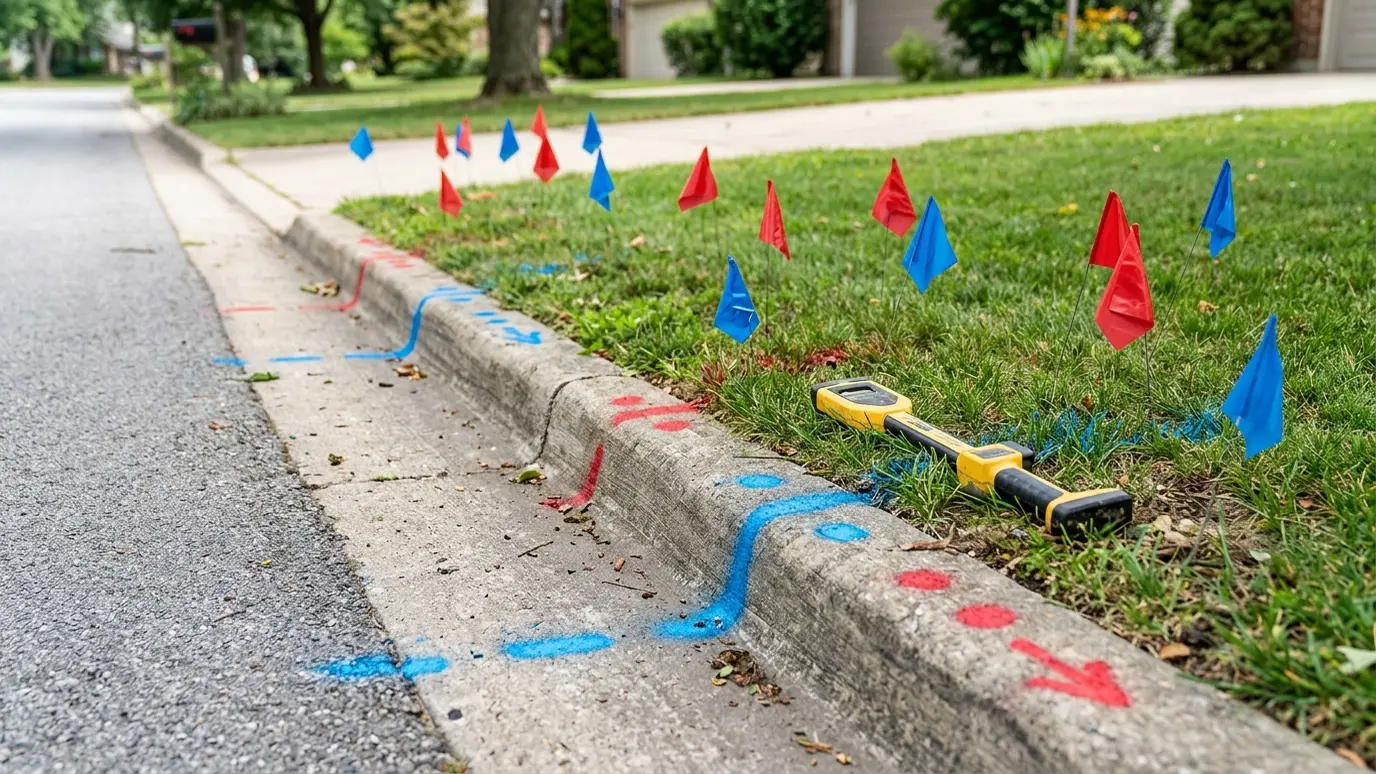 Locating and 811We handle the call to 811, coordinate with the utilities and make sure every line is marked before…Explore
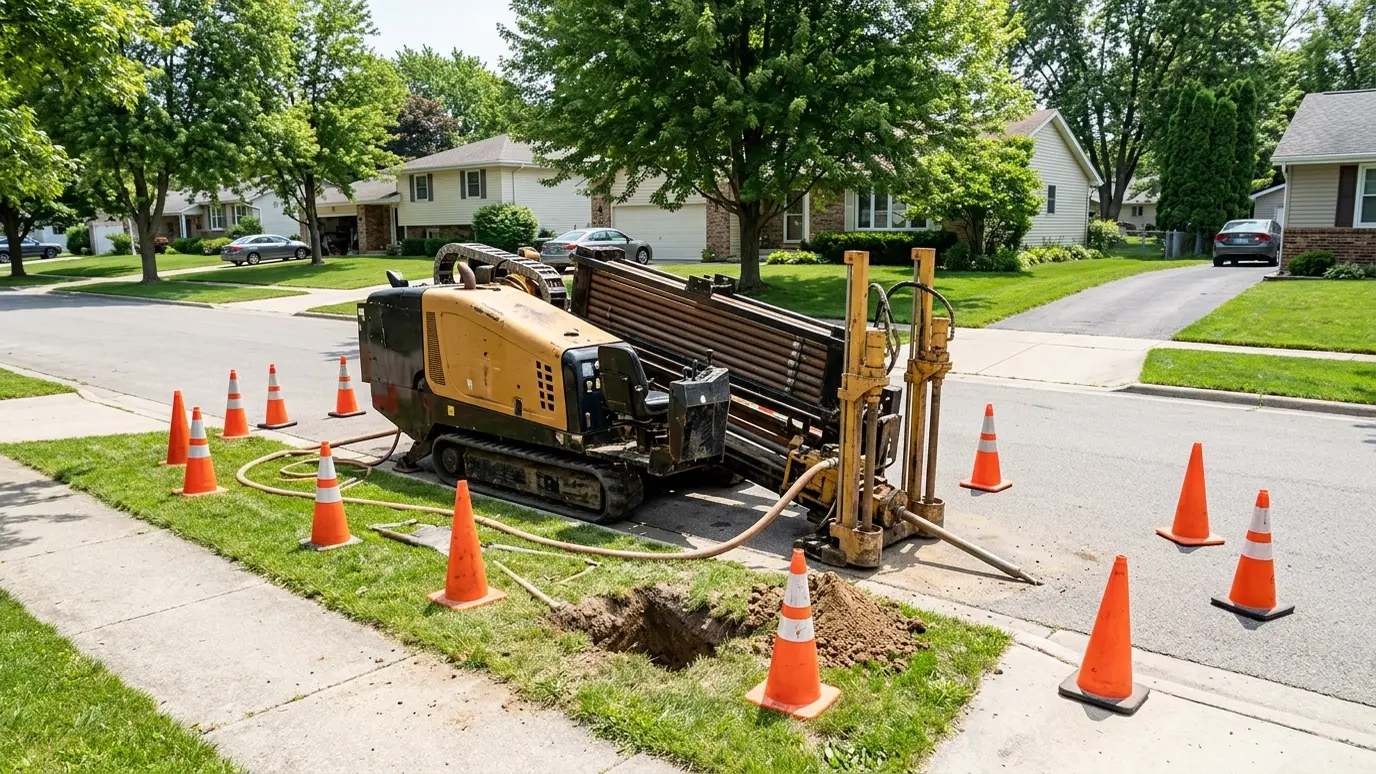 Directional DrillingSteerable drilling that installs pipe and conduit beneath roads, driveways, creeks and landscaping without opening a trench.Explore
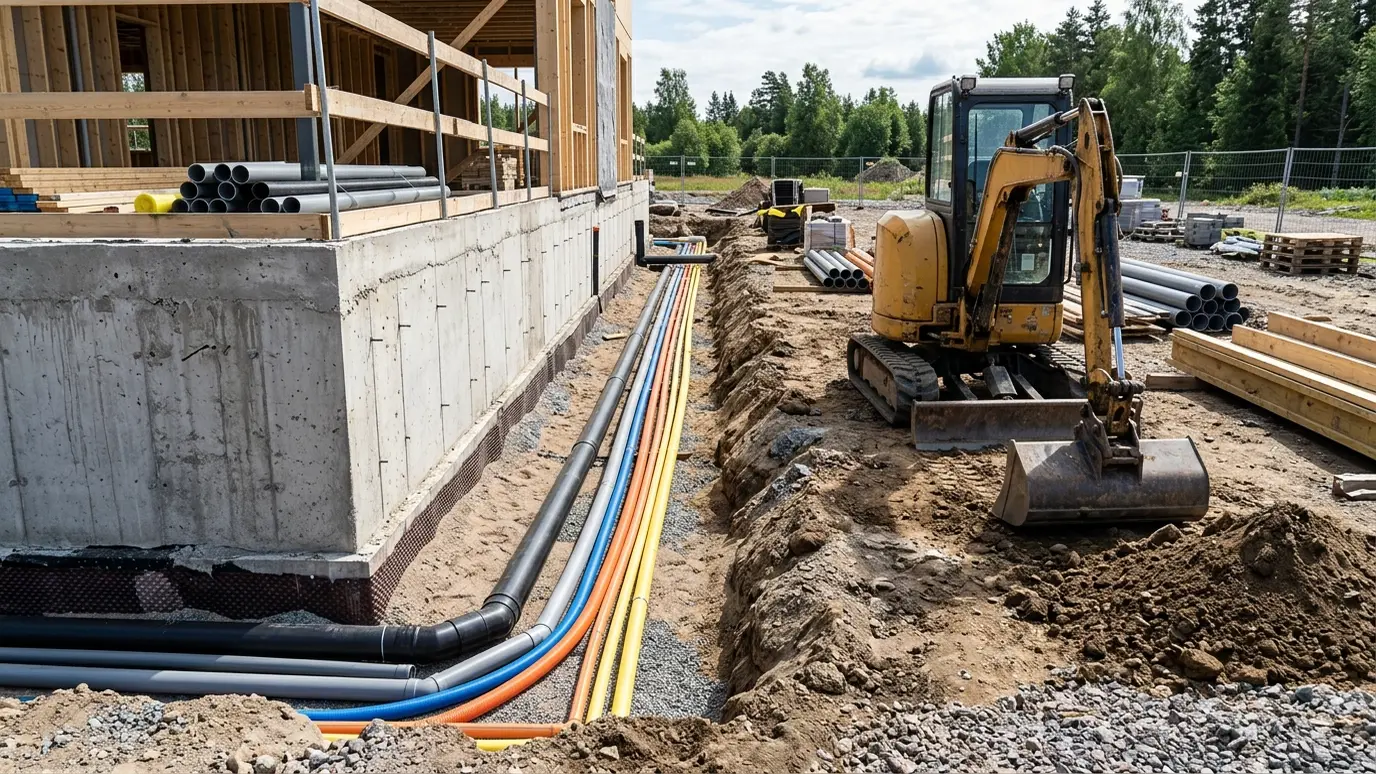 Utility Line RelocationMoving existing water, sewer, electric, gas and communication lines out of the way of a new building, driveway…Explore
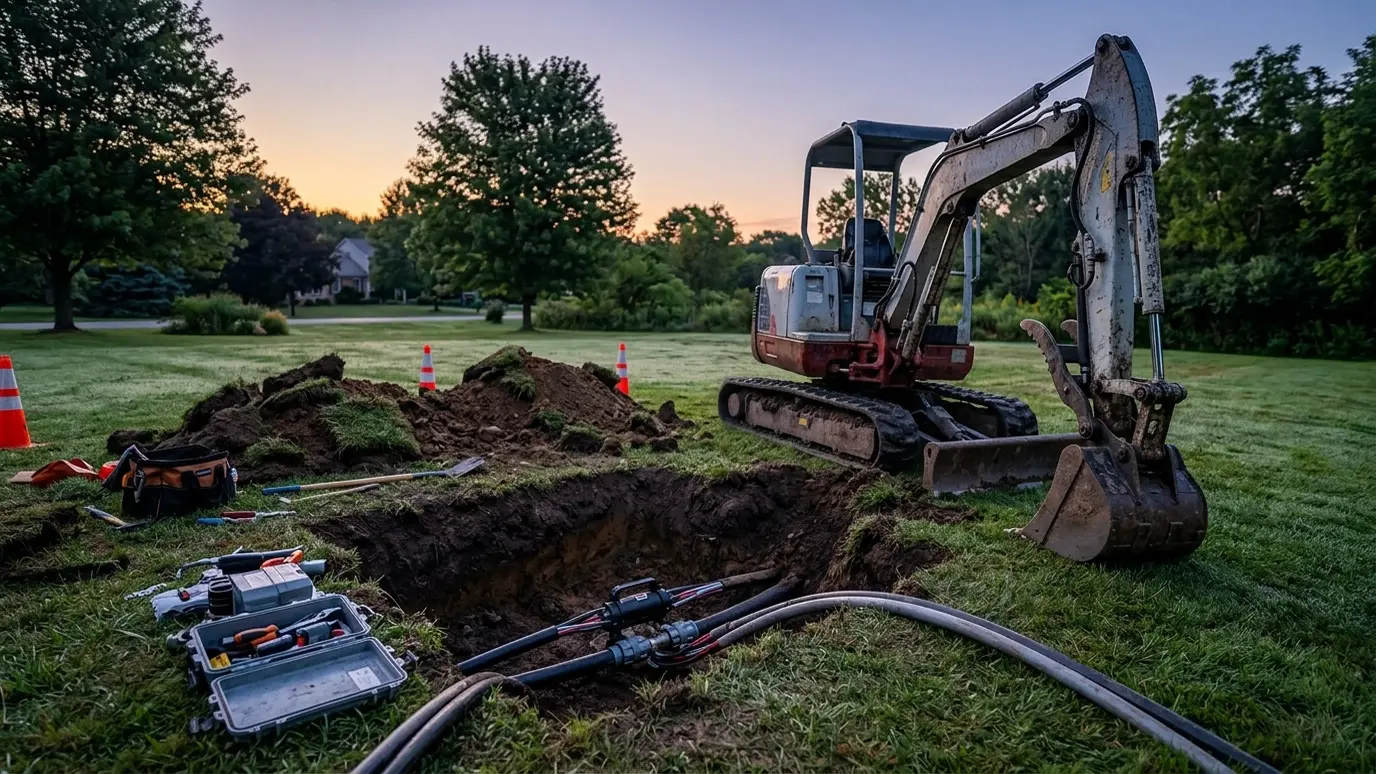 Cable Fault ExcavationCareful excavation to expose buried cable and conduit damaged by water, digging or age, so qualified crews can…Explore
Tell us about the job and we will call you back quickly.
Or call (615) 357-7797 to talk now.