Why conduit
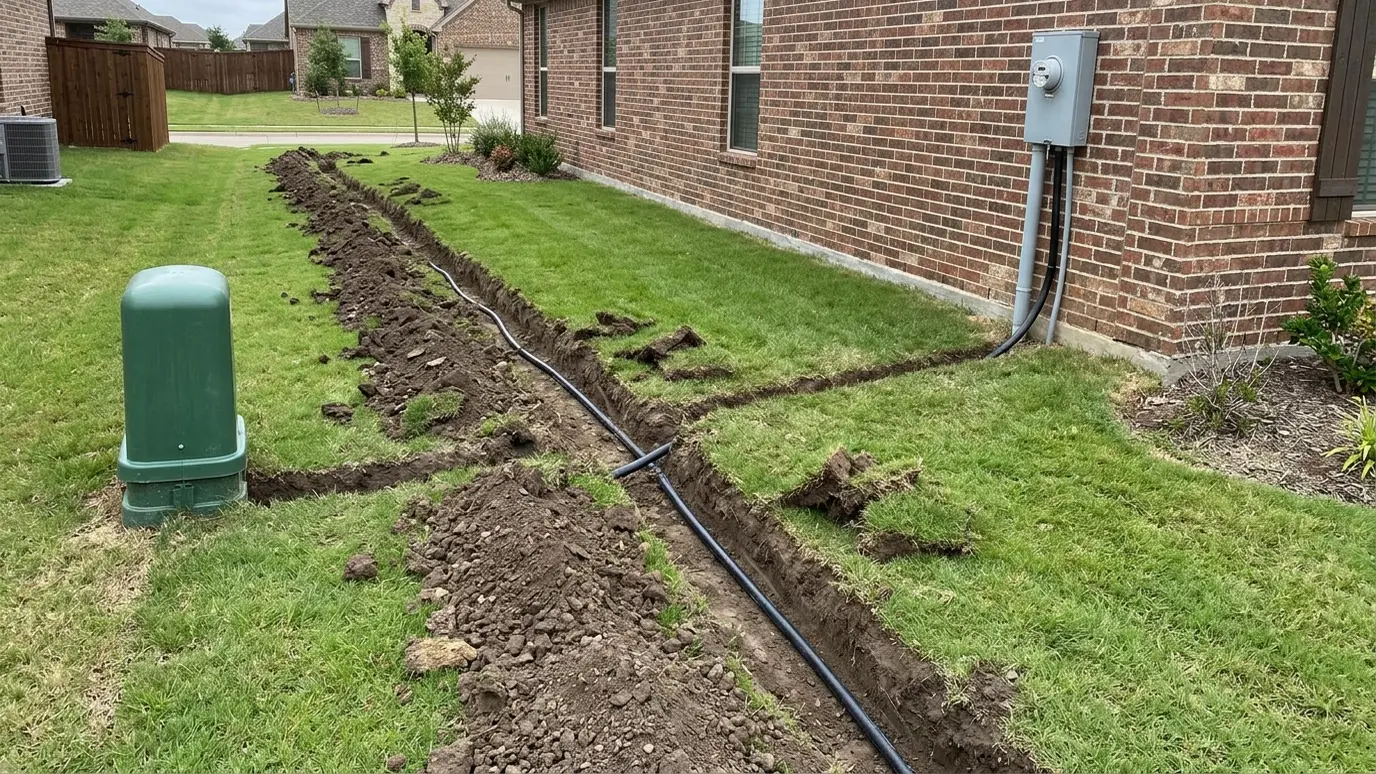
Conduit protects wire from digging, water and rodents, and lets you replace or add wire without digging. For a few extra dollars of pipe, it saves thousands in future work.
Sizing
Conduit has to be large enough for the wires with room to pull. Your electrician calculates the size from the wires and the code fill limits. Choosing a conduit that is too small is the most common mistake.
Bends and sweeps
Sharp bends make wire hard to pull and can damage it. Gentle sweeps and a limit on total bends between pull points keep pulls smooth. Codes limit bends in a run.
Pull boxes
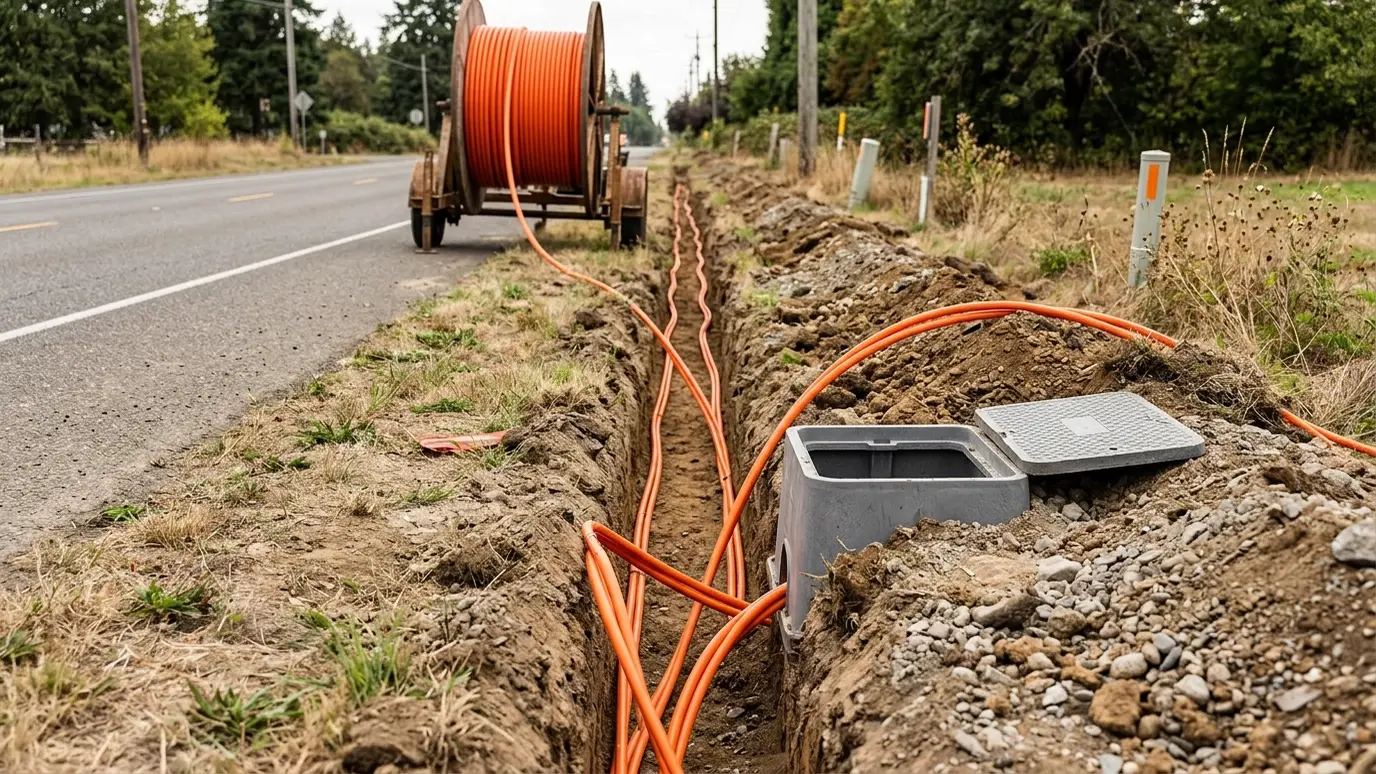
Long runs, many bends and branches need pull boxes. They give crews a place to feed and help the wire. Boxes should be set at grade and be accessible.
Spares
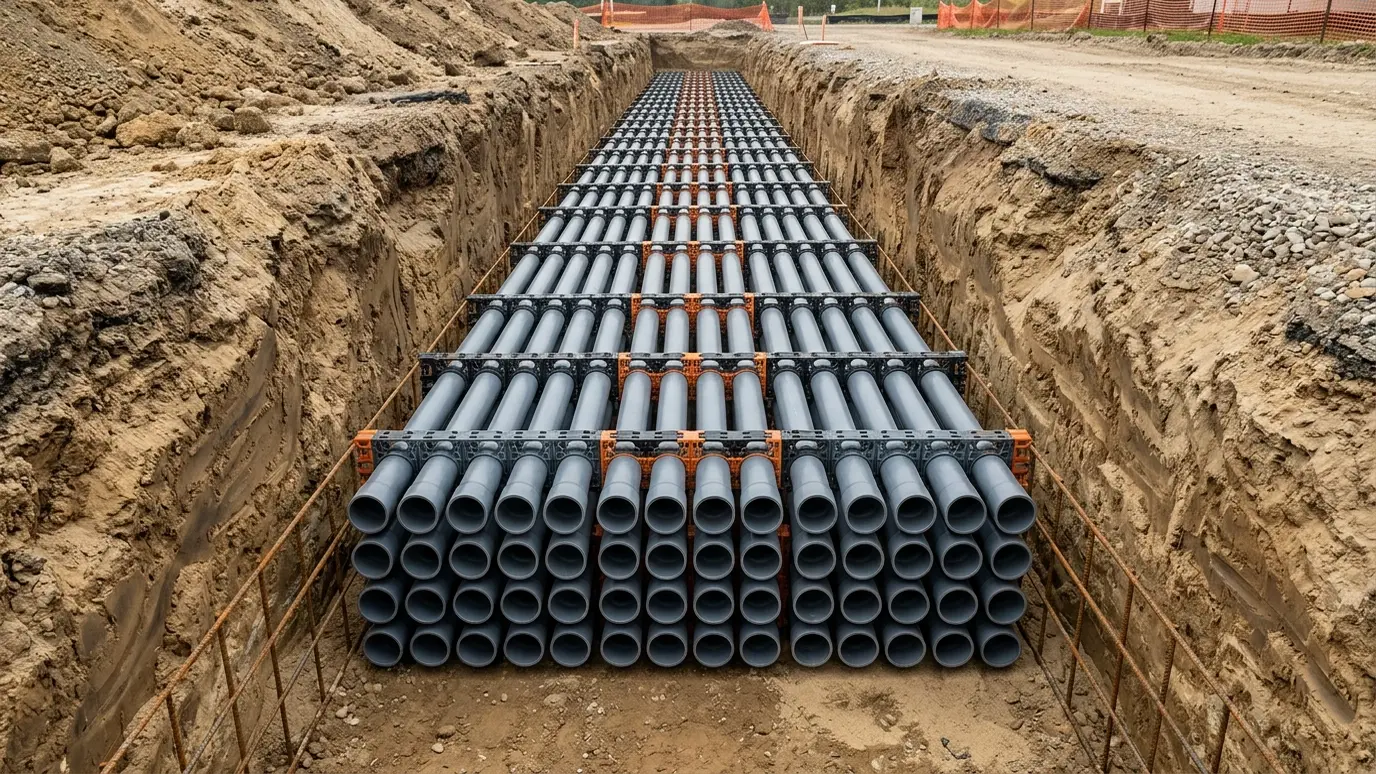
Adding a spare conduit while the trench is open is inexpensive and often a good idea. EV chargers, solar and new buildings often need extra circuits later.
Pull strings and caps
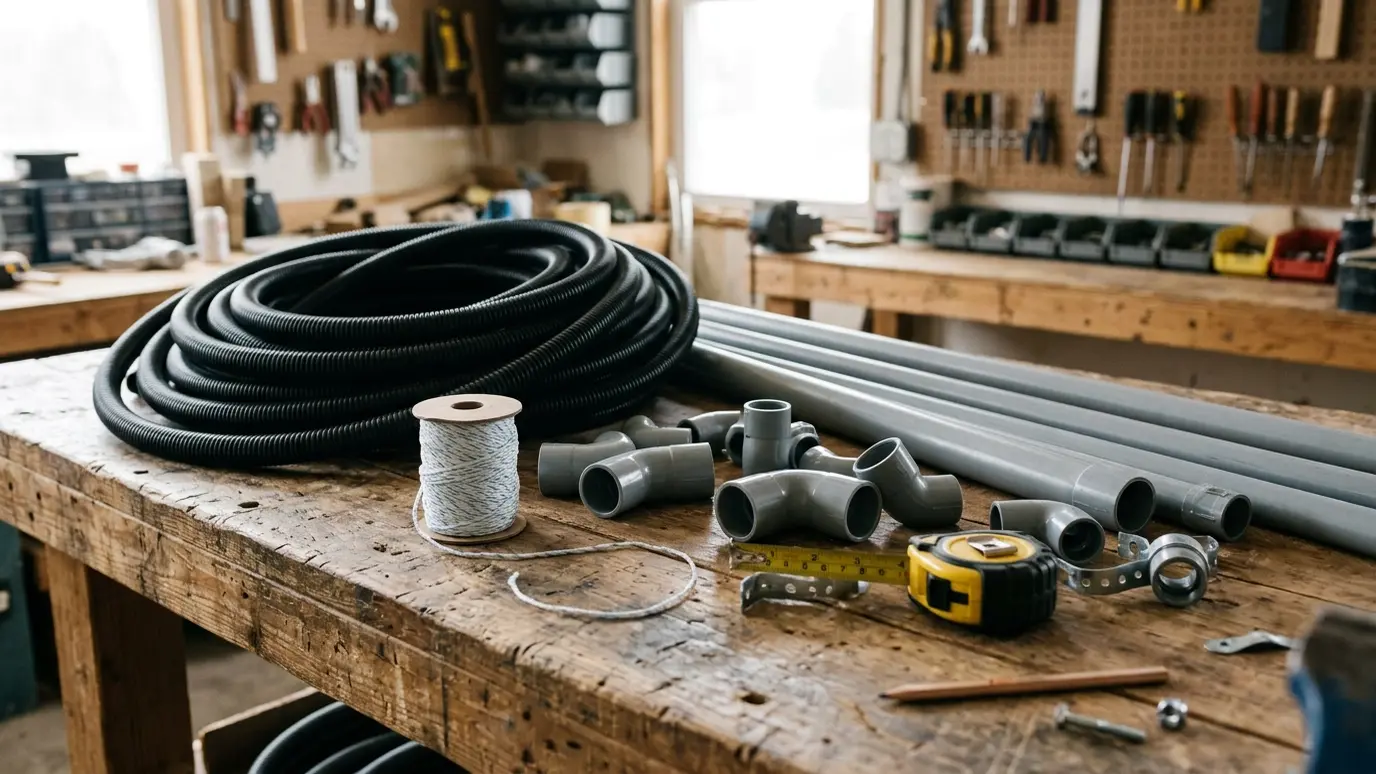
A pull string in each conduit lets crews feed wire. Caps keep dirt and water out until the wire is installed. Mark each conduit so it is easy to identify.
Size generously, bend gently, add a spare and cap and string every conduit.