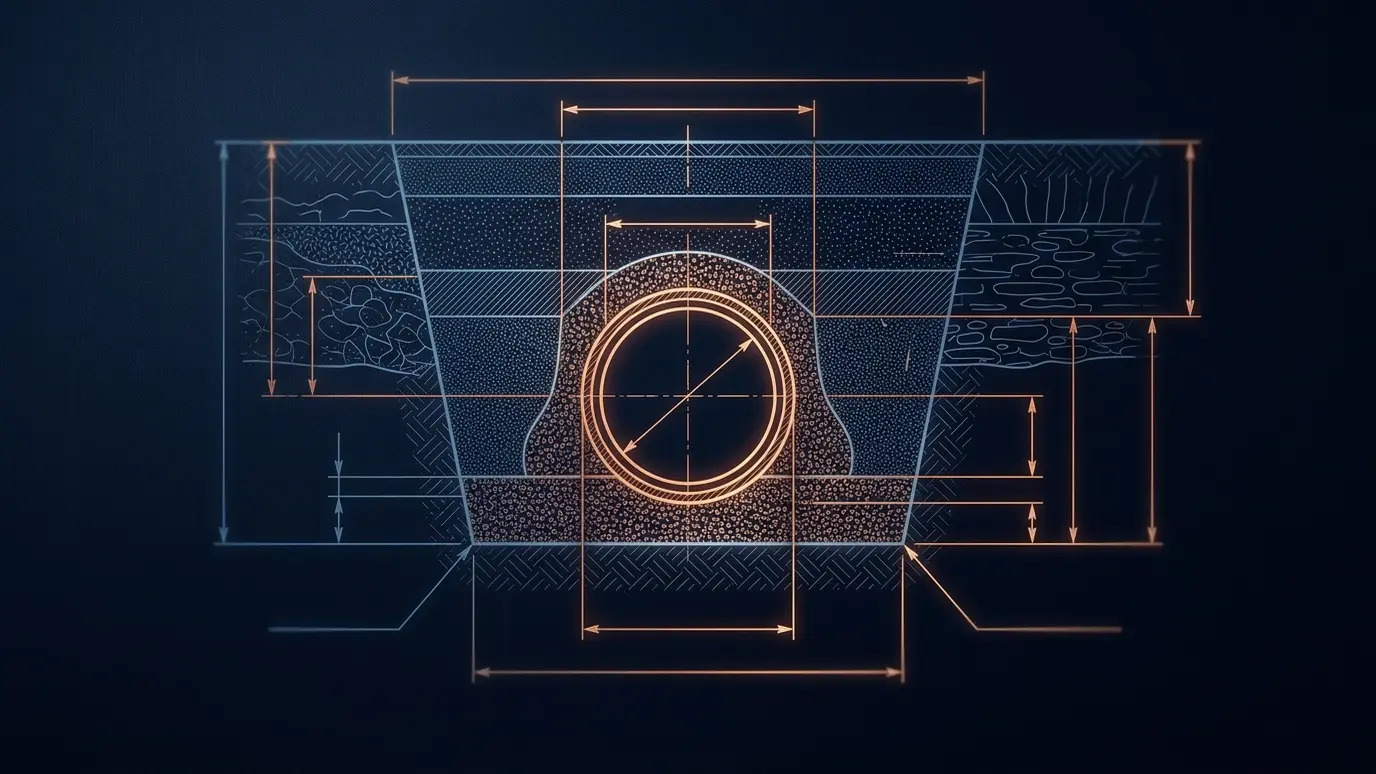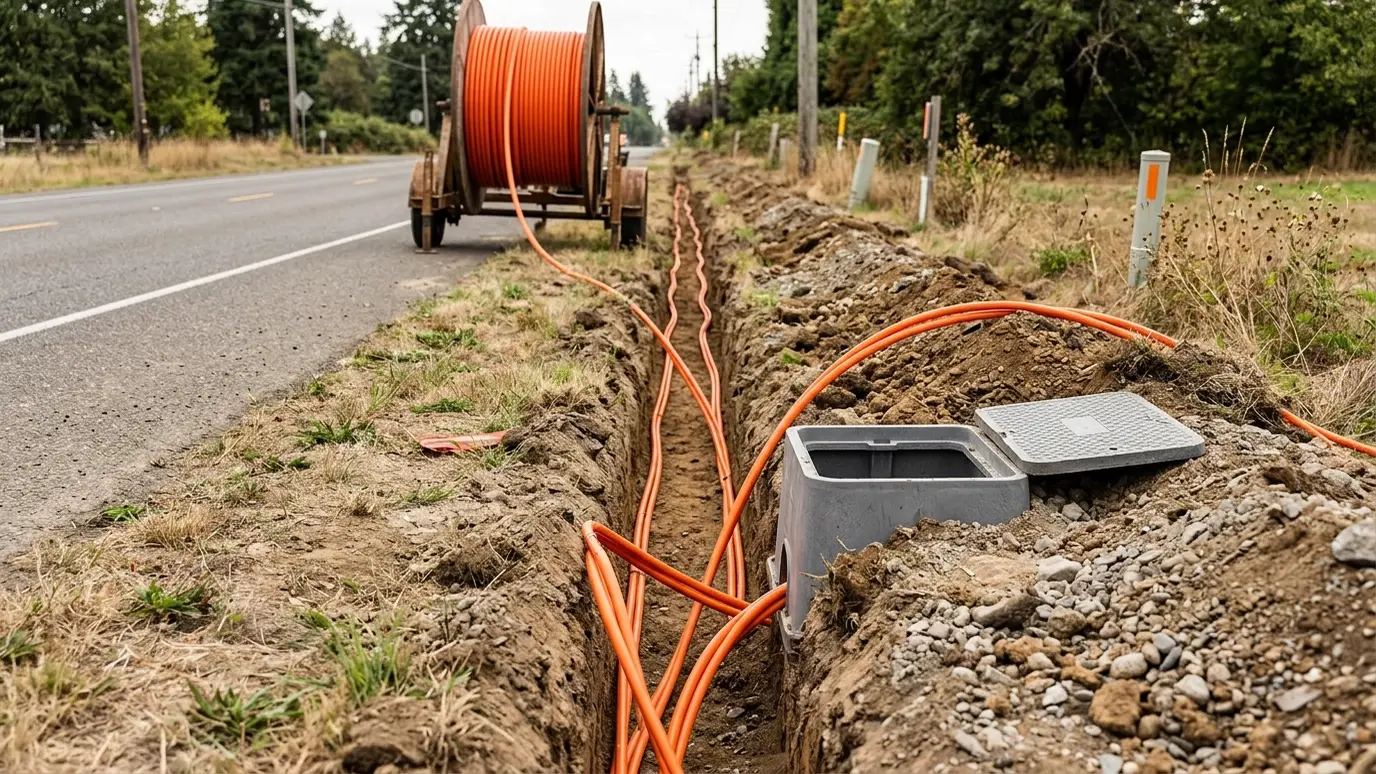
Conduit, handholes and trenches or bores for fiber networks serving homes, campuses and business parks.
Fiber is only as dependable as the path it travels. Once the cable is in the ground, the conduit protects it from digging, water and time. A bend that is too tight, a dip that traps water or a missing handhole can limit the network for years.
We install fiber conduit by trenching, plowing and directional boring, set handholes and vaults at specified intervals and install pull tape in every duct. Boring is often the best choice along roads and under driveways, because it leaves the surface alone. We build to the carrier specification and the engineering drawings, and the fiber crew pulls and splices the cable.
Carriers specify conduit type, color, depth, handhole spacing and tracer wire. We build to the document and ask when the field does not match it.
Fiber cannot be bent sharply. Our bores and trenches are laid out with long, gentle sweeps so cable pulls without damage.
Handholes and vaults should sit flush with the surface and drain properly. We set them on stone with the right lids so crews can open them later.
Handholes are spaced for pulling and splicing. Too far apart and the cable cannot be pulled, too close and the project costs more. The engineering drawings set the spacing, and we follow them.
Drag the handle to compare.
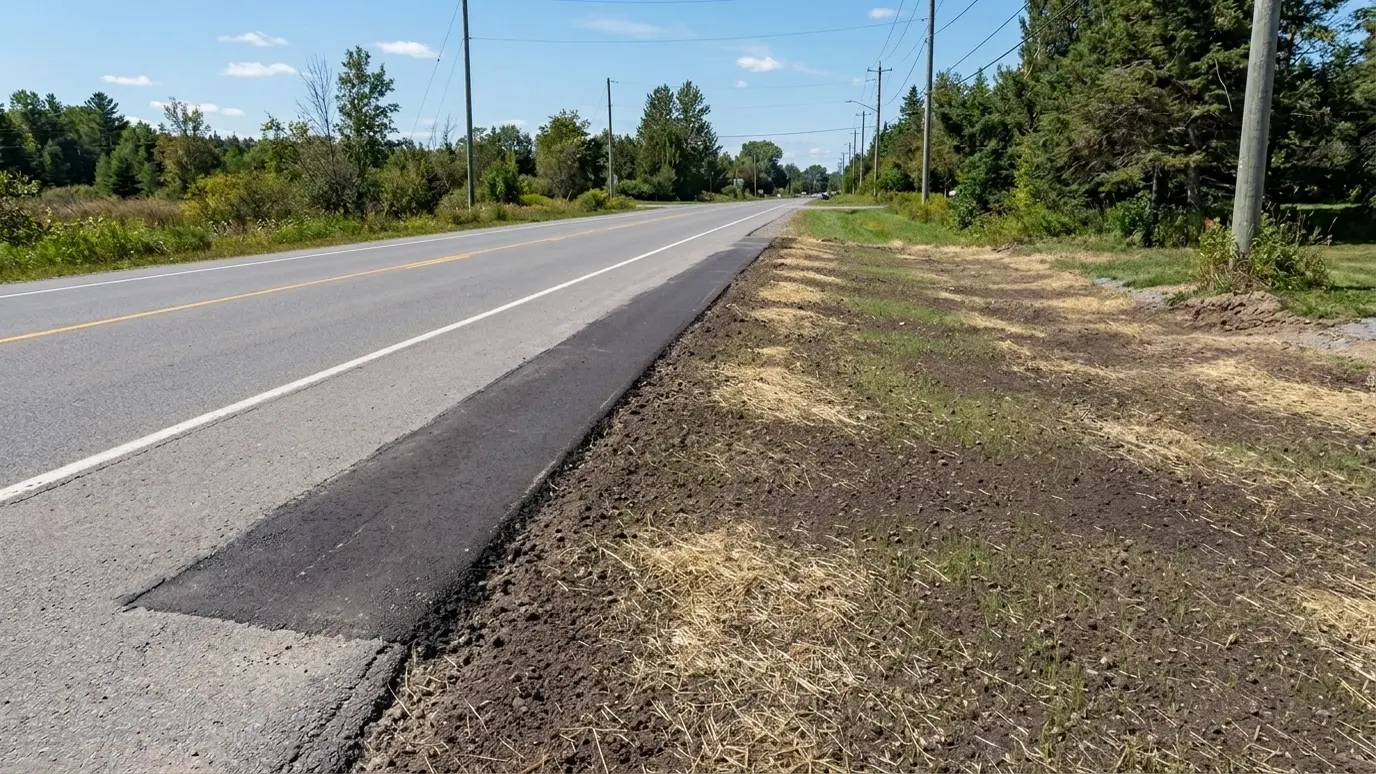
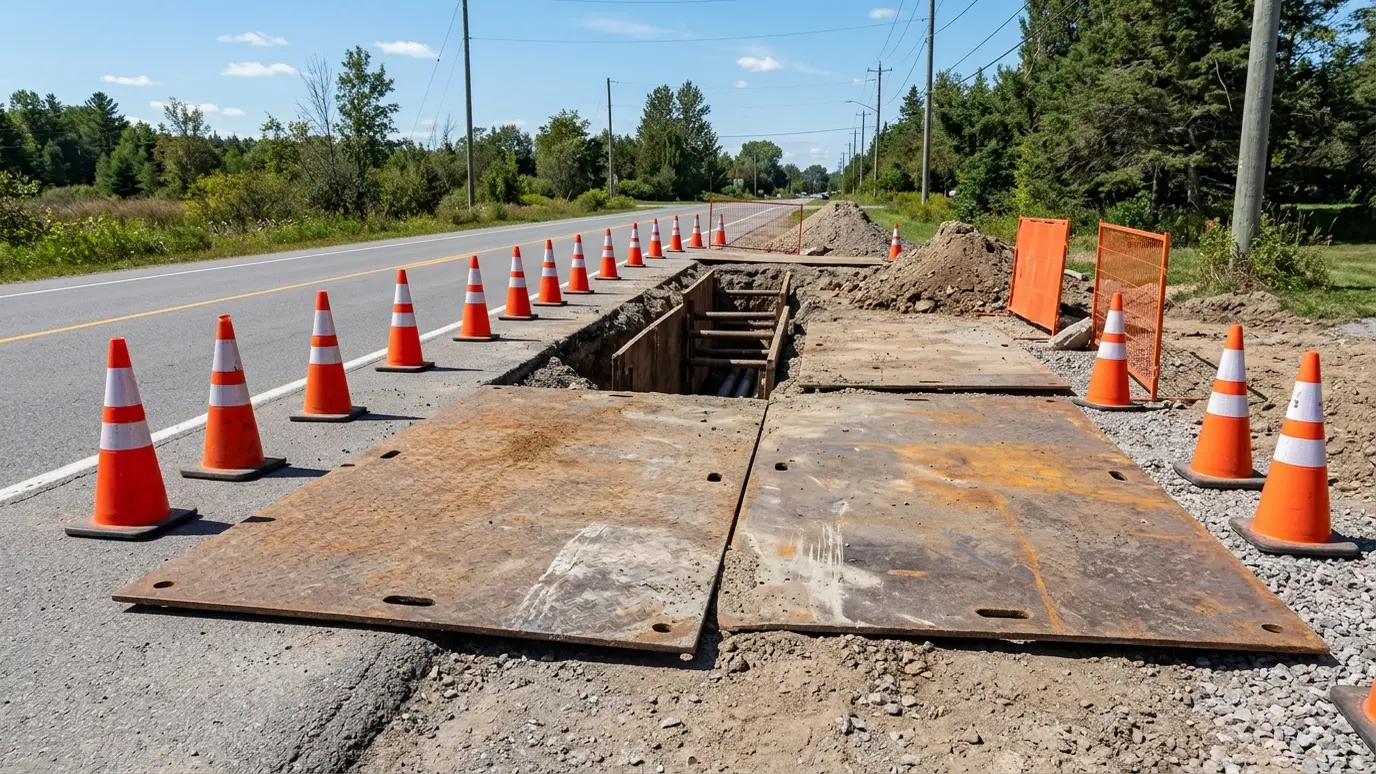 BeforeAfter
Conduit, depth and spacing to standard.
Roads and drives left intact.
Set on stone with correct lids.
Ready for the fiber crew.
Cable-friendly bends.
Tracer wire and tape.
Every topic has its own page with what to expect and how we approach it.
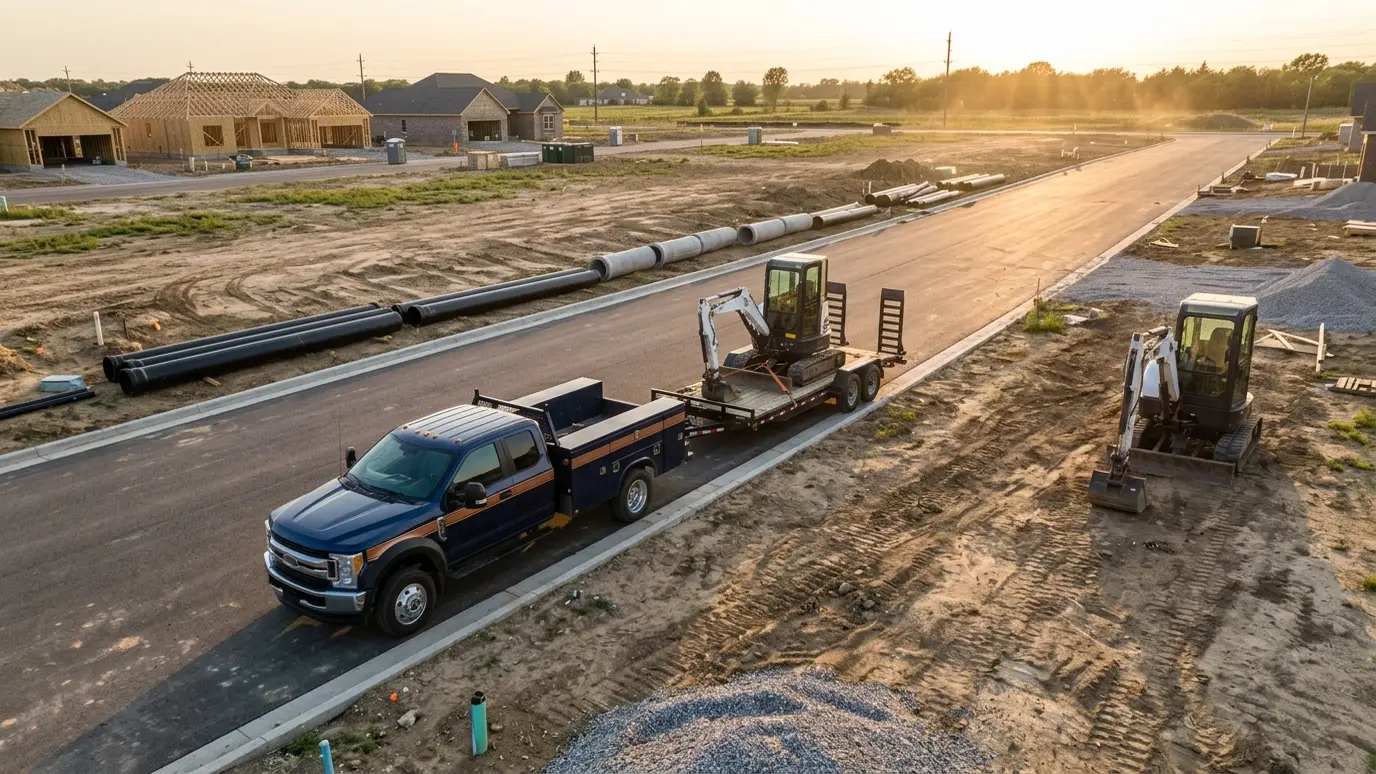 SituationDevelopers and BuildersInfrastructure for subdivisions and multi-lot projects: schedules, sequencing, inspections and clean hand-offs to the next trades.Learn more
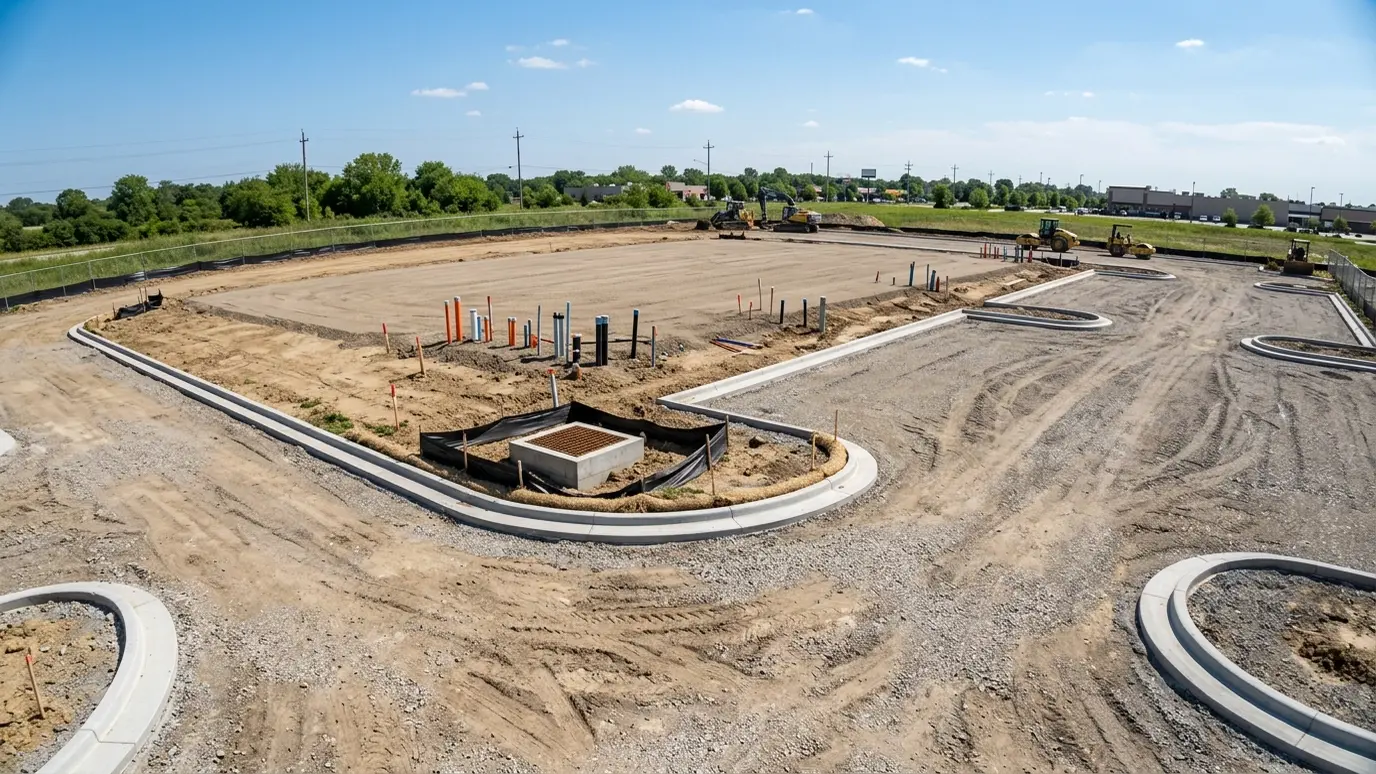 SituationCommercial and IndustrialUtilities for stores, offices and industrial sites: fire lines, vaults, sewer, storm, power and conduit, built to the…Learn more
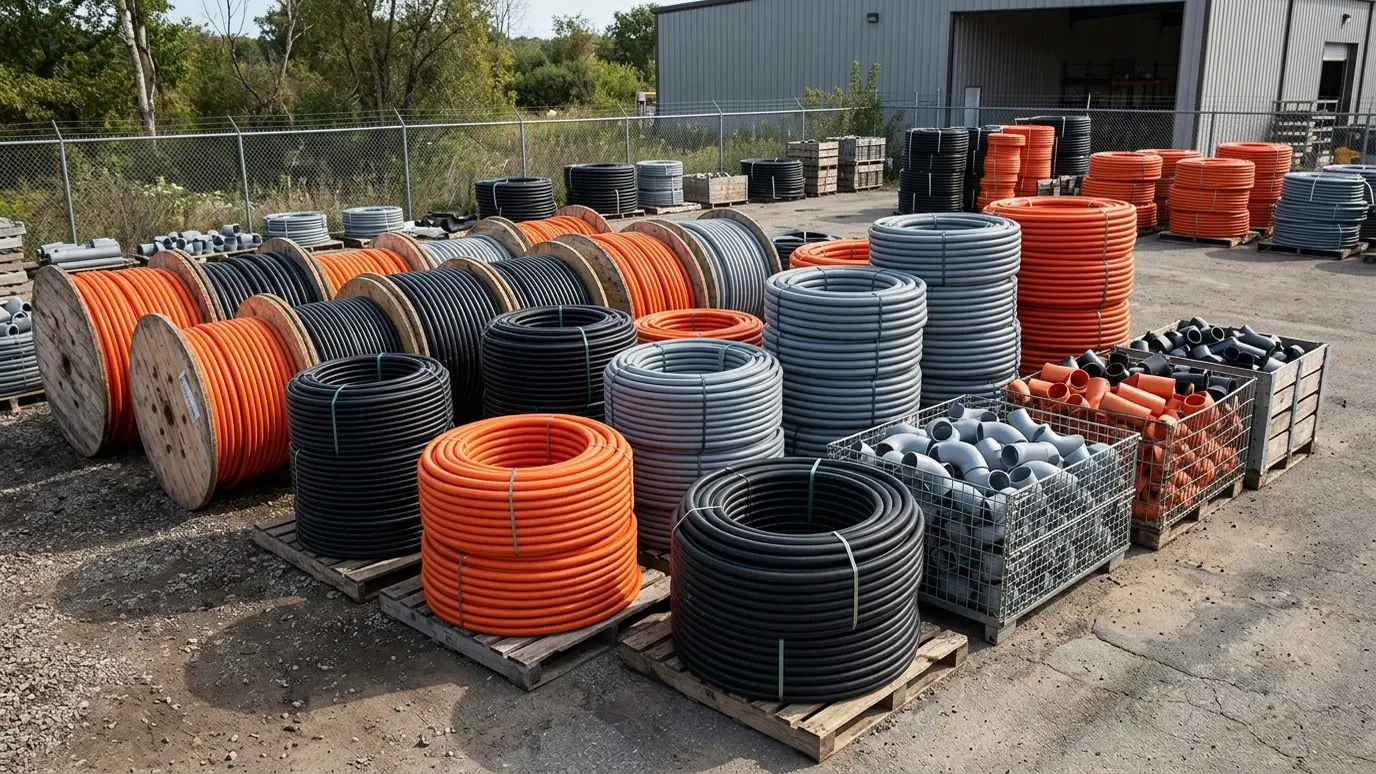 Material guideElectrical ConduitPVC, rigid steel, HDPE and flexible conduit: which kind goes where, how deep it is buried and how…Learn more
Answer a few questions about the surface, soil and length and see whether trenching or boring suits your line.
Tell us what you need and send photos or a site plan if you can. We plan the visit so we arrive ready.
We call 811, walk the site, confirm lines and plan the route and depth.
You get a clear written price, and we agree a day and an arrival window.
Trenching or boring to the plan, with safe walls, careful spoil handling and protection for your lawn.
Pipe or conduit laid on a good bed, joints checked, tests and inspections done before cover-up.
Compacted backfill, grading, sod or paving repair and a walk-through with you.
The carrier or its fiber contractor pulls and splices the cable. We install the conduit and handholes.
Depth is set by the carrier and the location. We build to the specification for the project.
Yes. Directional drilling handles long crossings, depending on soil and obstacles.
Yes. Installing empty conduit while the ground is open is a smart, low-cost investment.
The carrier or engineer specifies spacing based on the cable and the route.
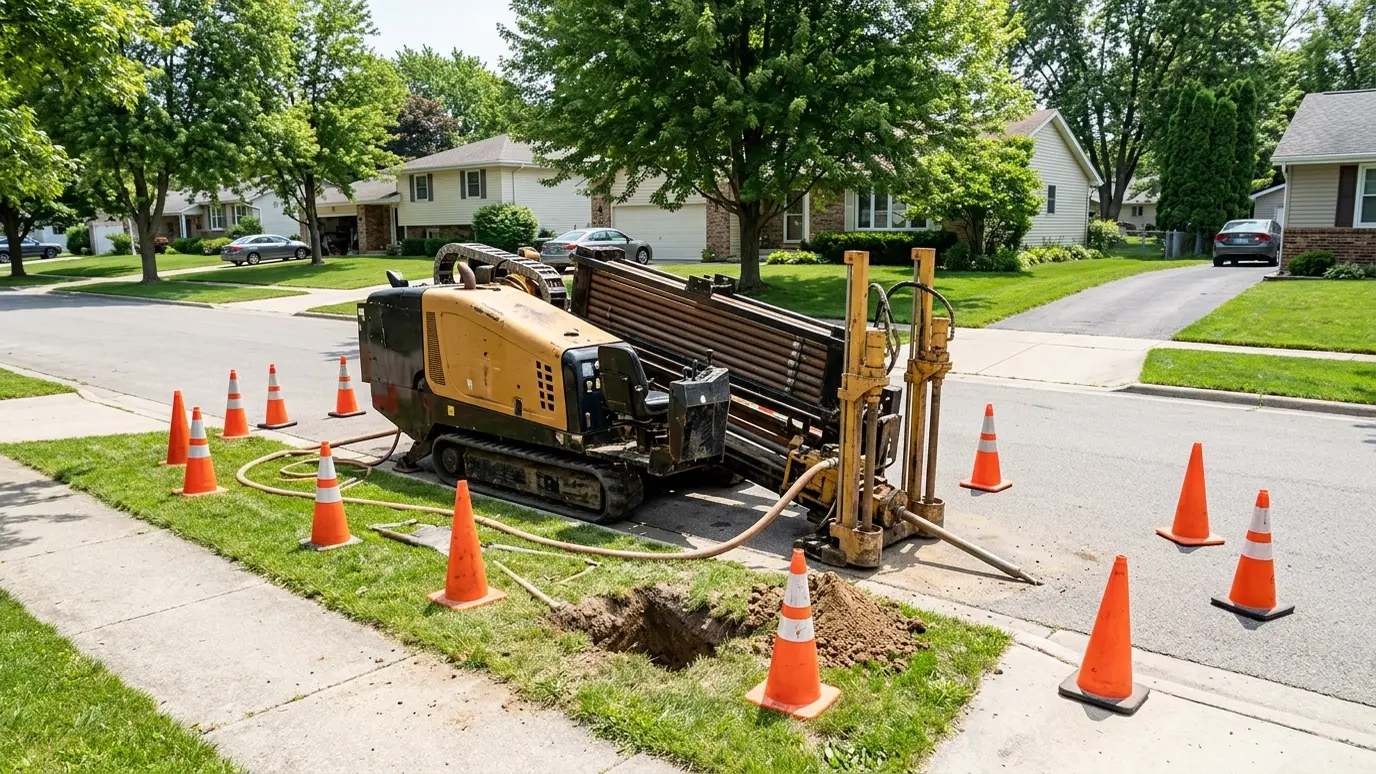 Directional DrillingSteerable drilling that installs pipe and conduit beneath roads, driveways, creeks and landscaping without opening a trench.Explore
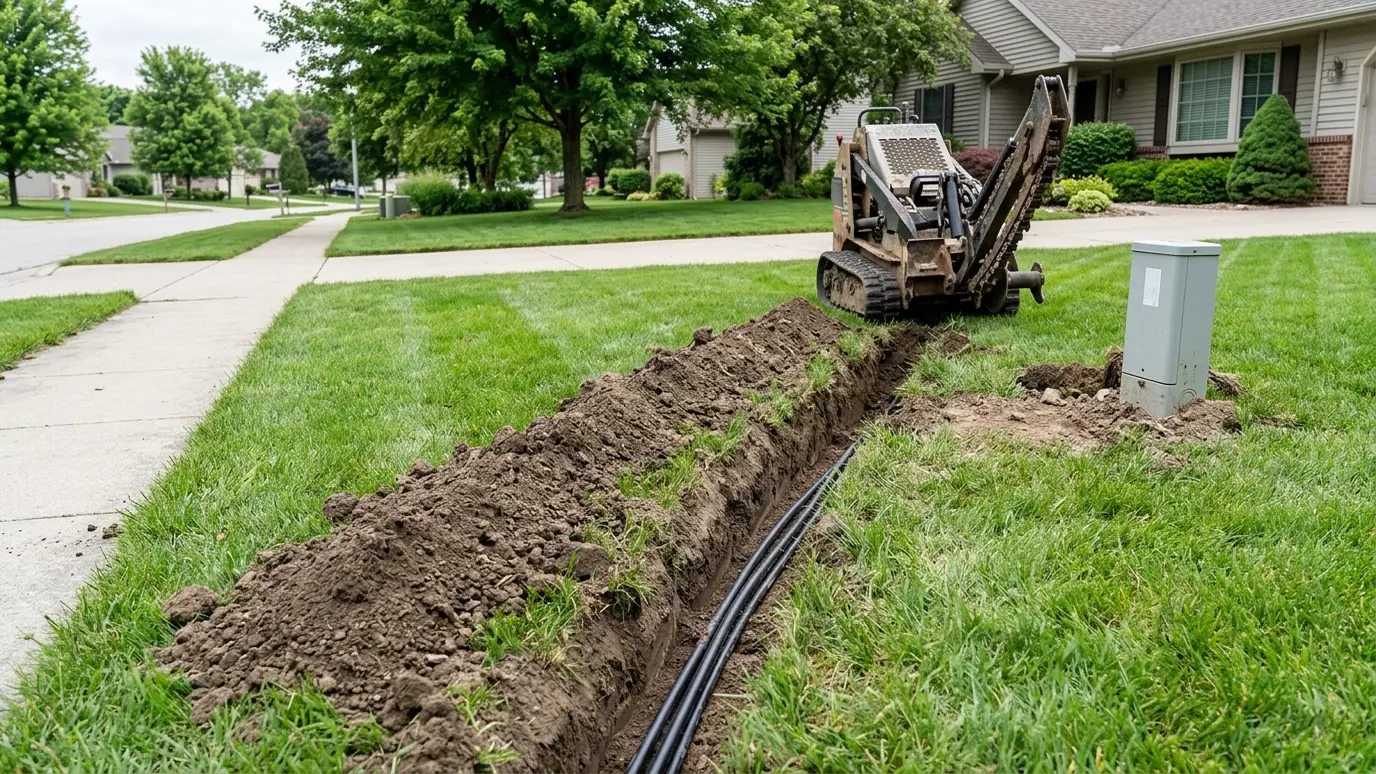 Telecom and Cable LinesTrenches and conduit for phone, internet and cable TV lines, including pedestal bases and service drops to buildings.Explore
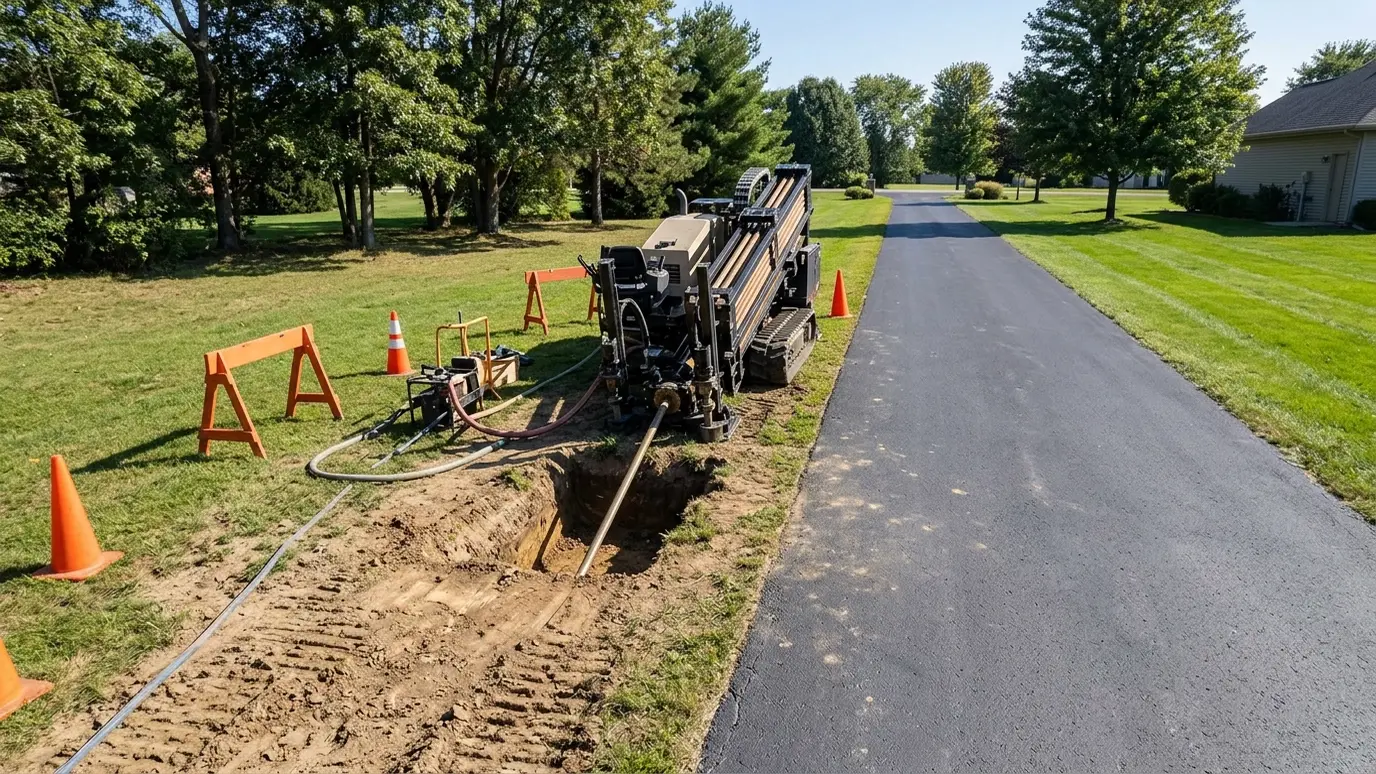 Road and Driveway CrossingsShort bores that carry water, sewer, power or conduit under roads, driveways and walks, leaving the surface unbroken.Explore
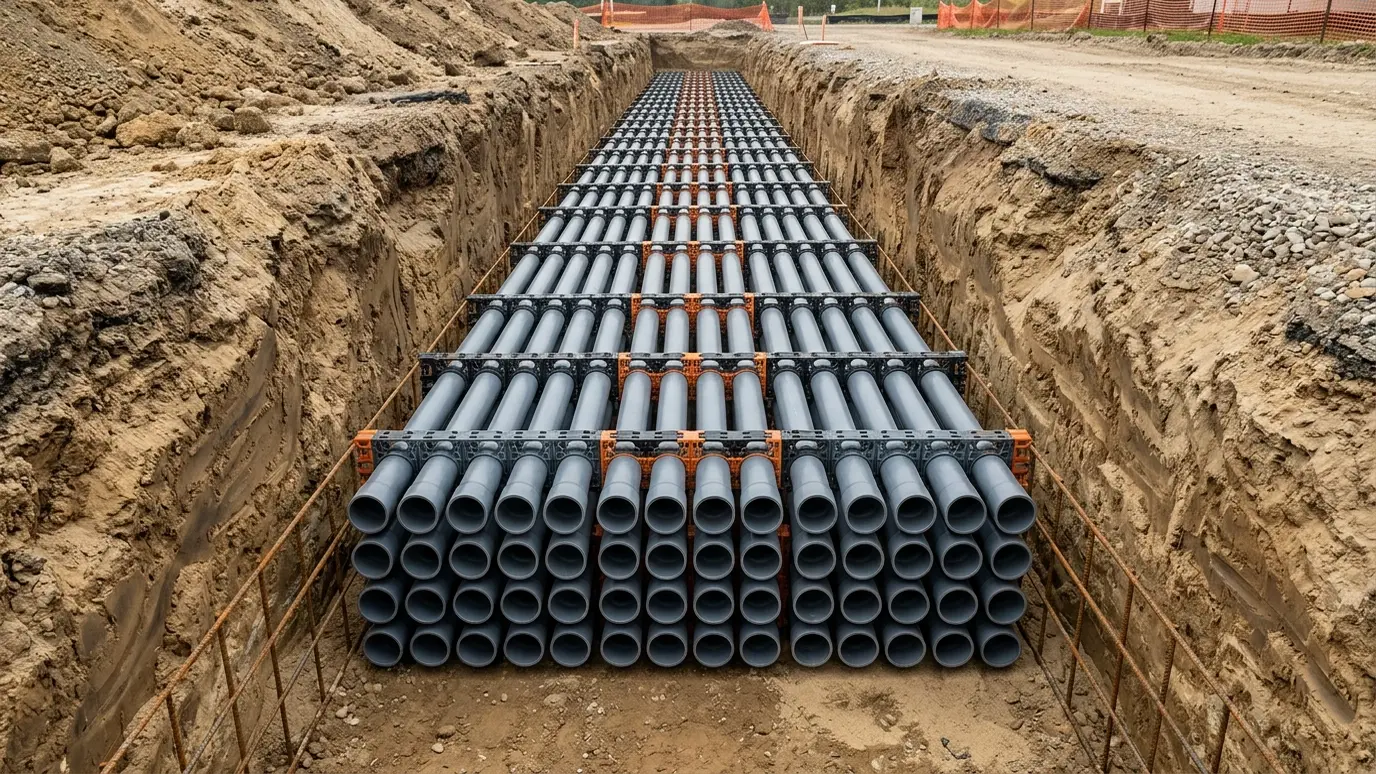 Conduit and Duct BanksSingle conduits and multi-duct banks, spaced, supported and encased so cable can be pulled now and added later.Explore
Tell us about the job and we will call you back quickly.
Or call (615) 357-7797 to talk now.