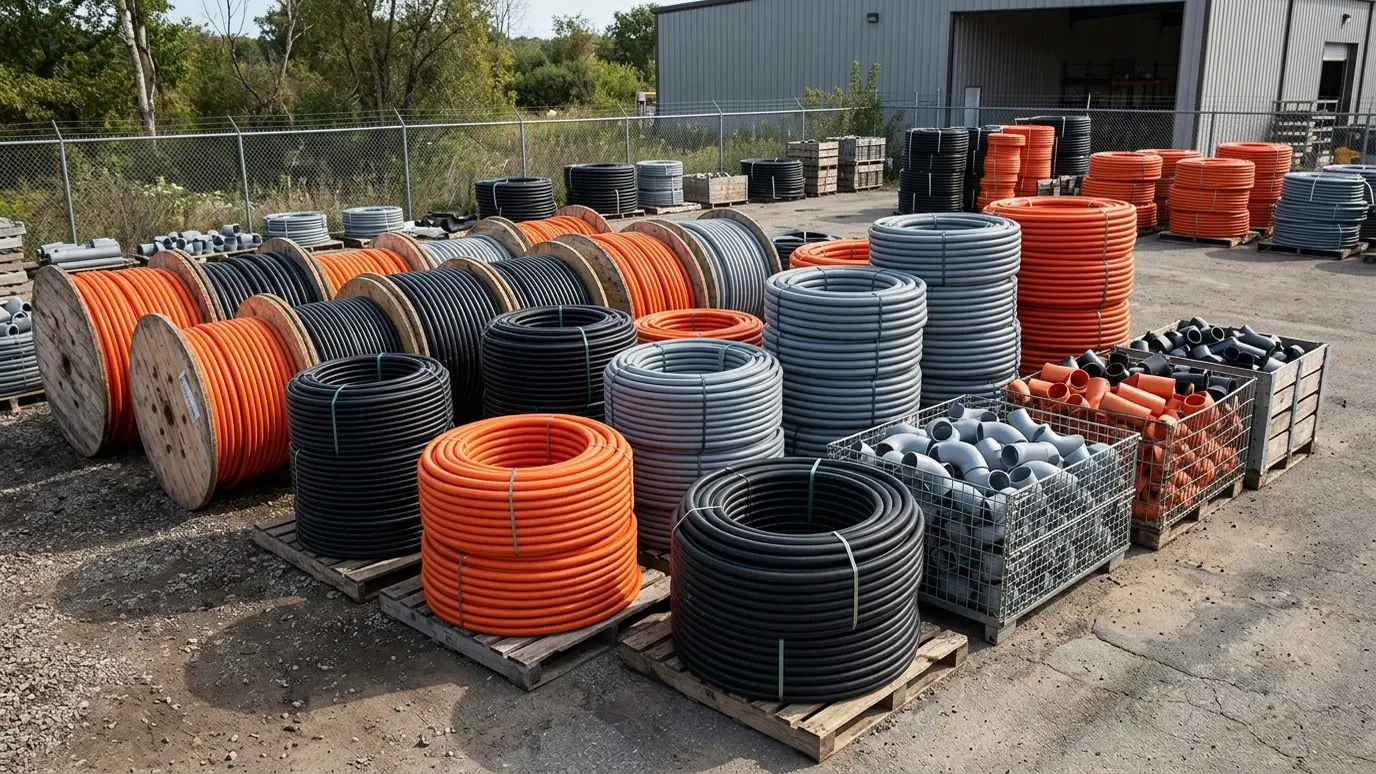
PVC, rigid steel, HDPE and flexible conduit: which kind goes where, how deep it is buried and how cable gets pulled later.
Conduit is a protective tube that holds electrical or communication cable underground. It keeps water out, shields cable from digging and lets you pull new cable later without opening the ground. Several types are used, and the right one depends on the load, the location and the code.
Gray PVC conduit is common for direct burial. Rigid steel is used where protection from impact is needed or where a conduit rises out of the ground. HDPE conduit is pulled through bores. Flexible conduit is used for short, tight connections. Each type has depth requirements, bend limits and fitting rules your electrician and inspector know.
Common for direct burial.
Where impact protection is needed.
Pulled through bores.
Smooth bends for easy pulls.
Cover set by code and location.
Ready for cable.
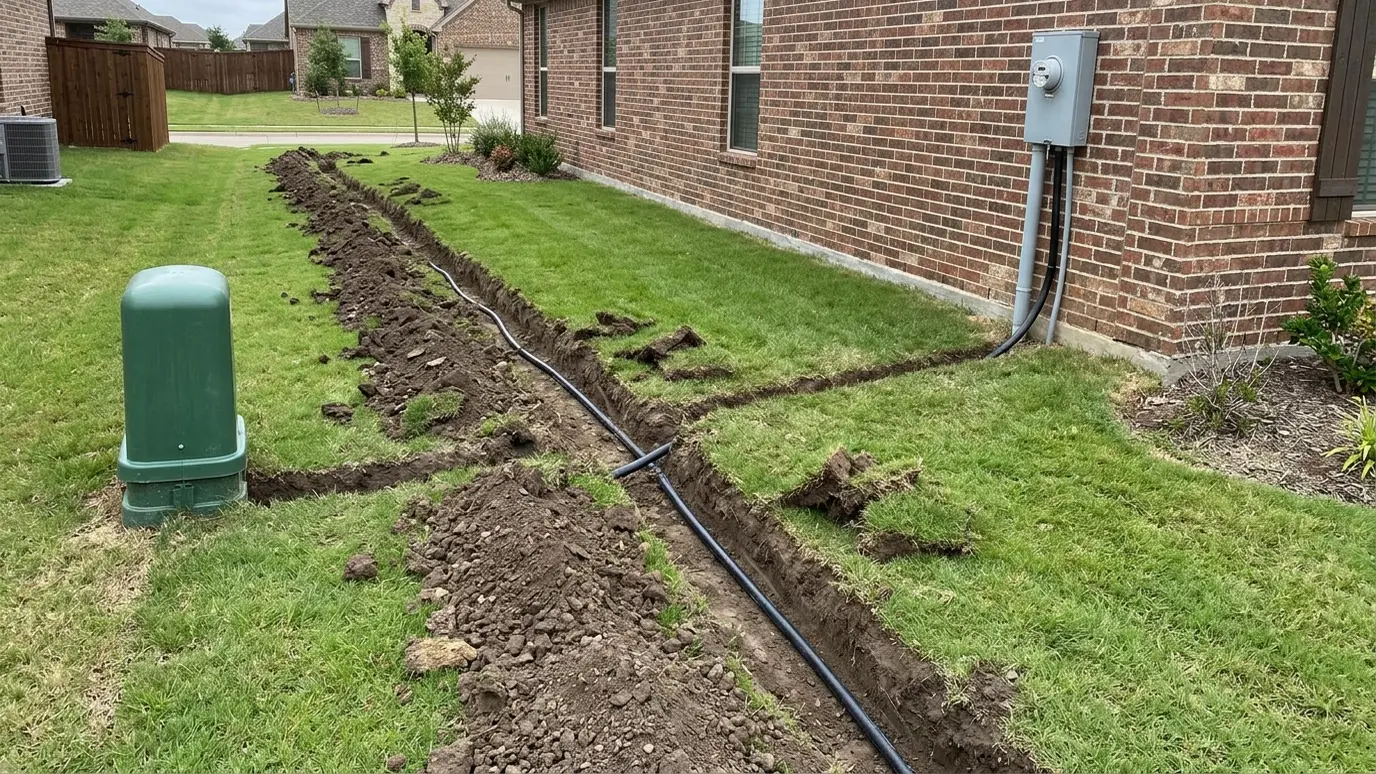 Underground Electrical ServiceTrenching, conduit and pad work for the underground power service that feeds your home, shop or building, ready…Explore
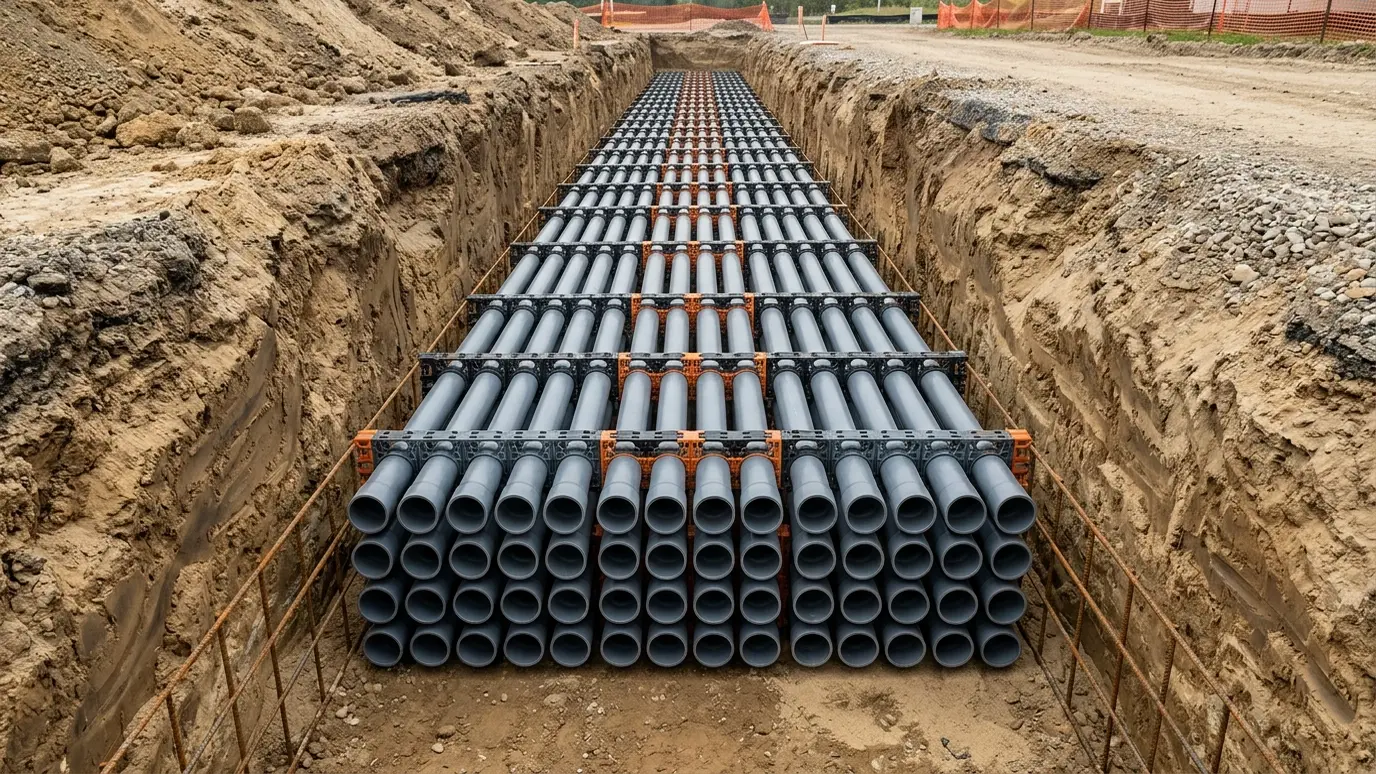 Conduit and Duct BanksSingle conduits and multi-duct banks, spaced, supported and encased so cable can be pulled now and added later.Explore
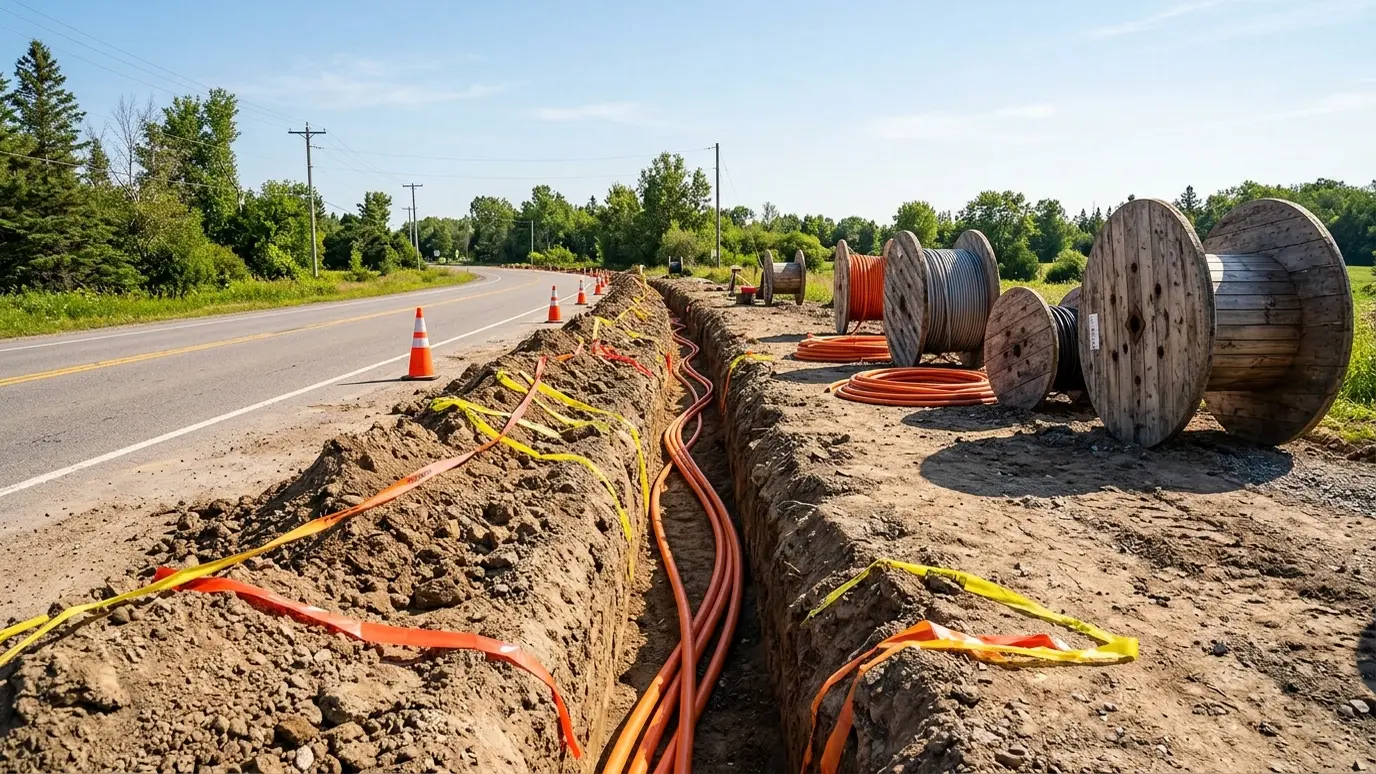 Underground Power LinesPrimary and secondary power lines placed underground in trenches and bores, built to the utility specification.Explore
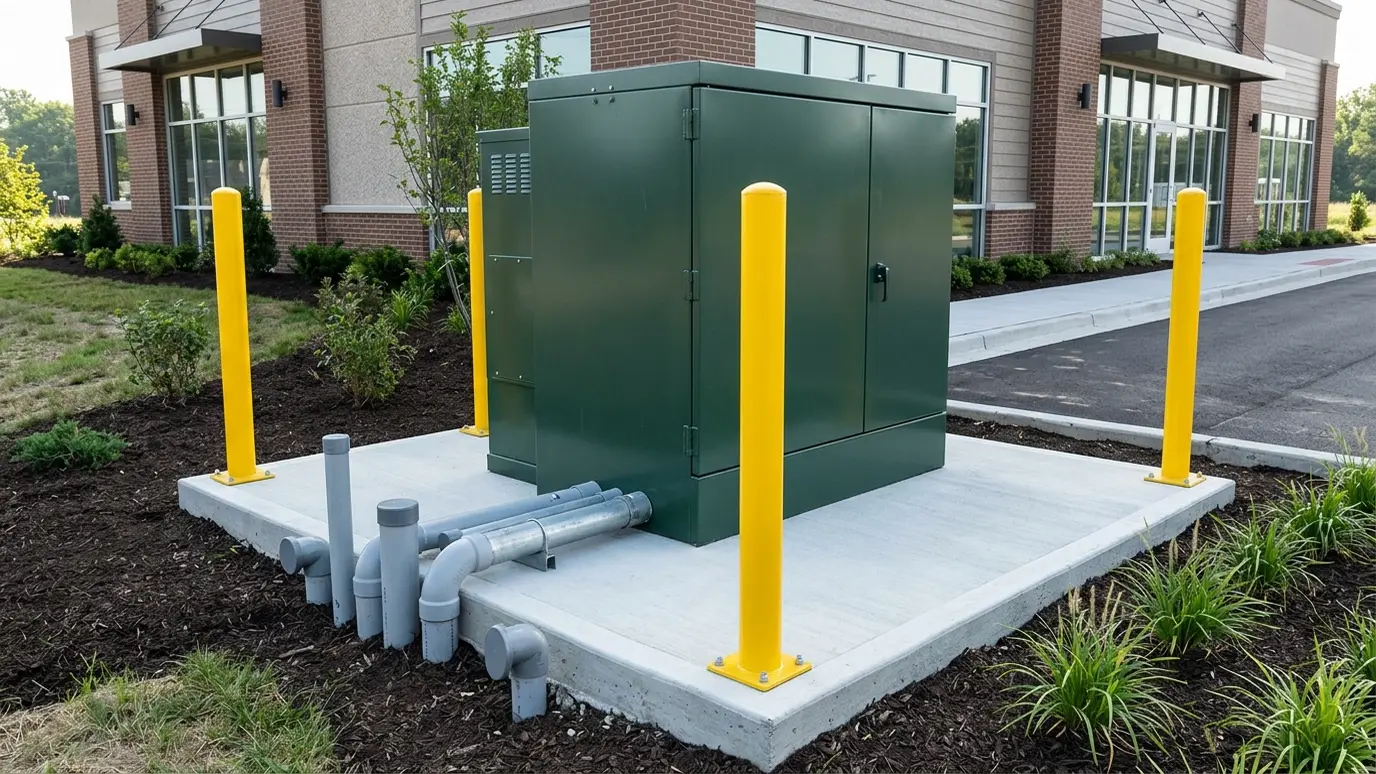 Transformer Pads and PedestalsConcrete pads, conduit stubs, bollards and pedestal bases for transformers and service equipment, built to the utility detail.Explore
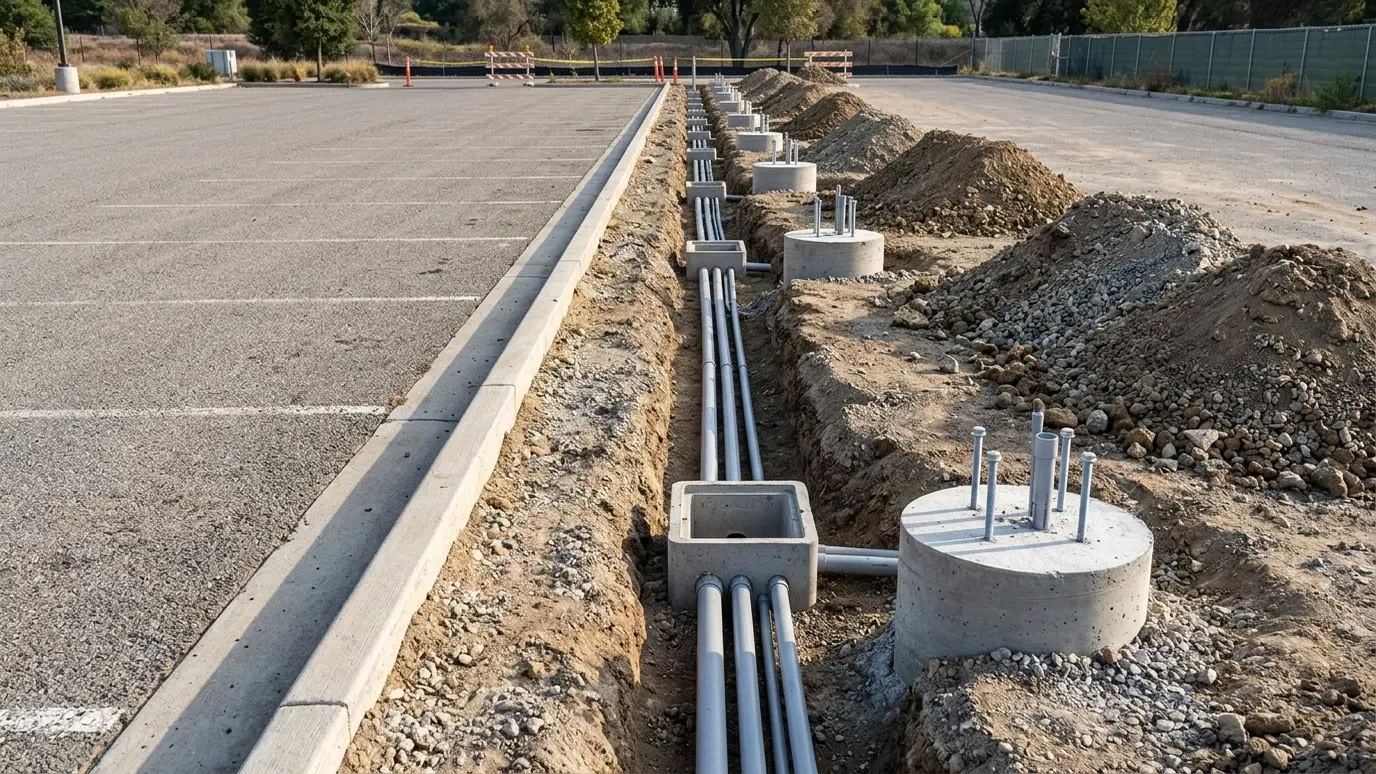 Site Lighting TrenchingTrenches, conduit, pull boxes and pole bases for parking lot, walkway and landscape lighting circuits.Explore
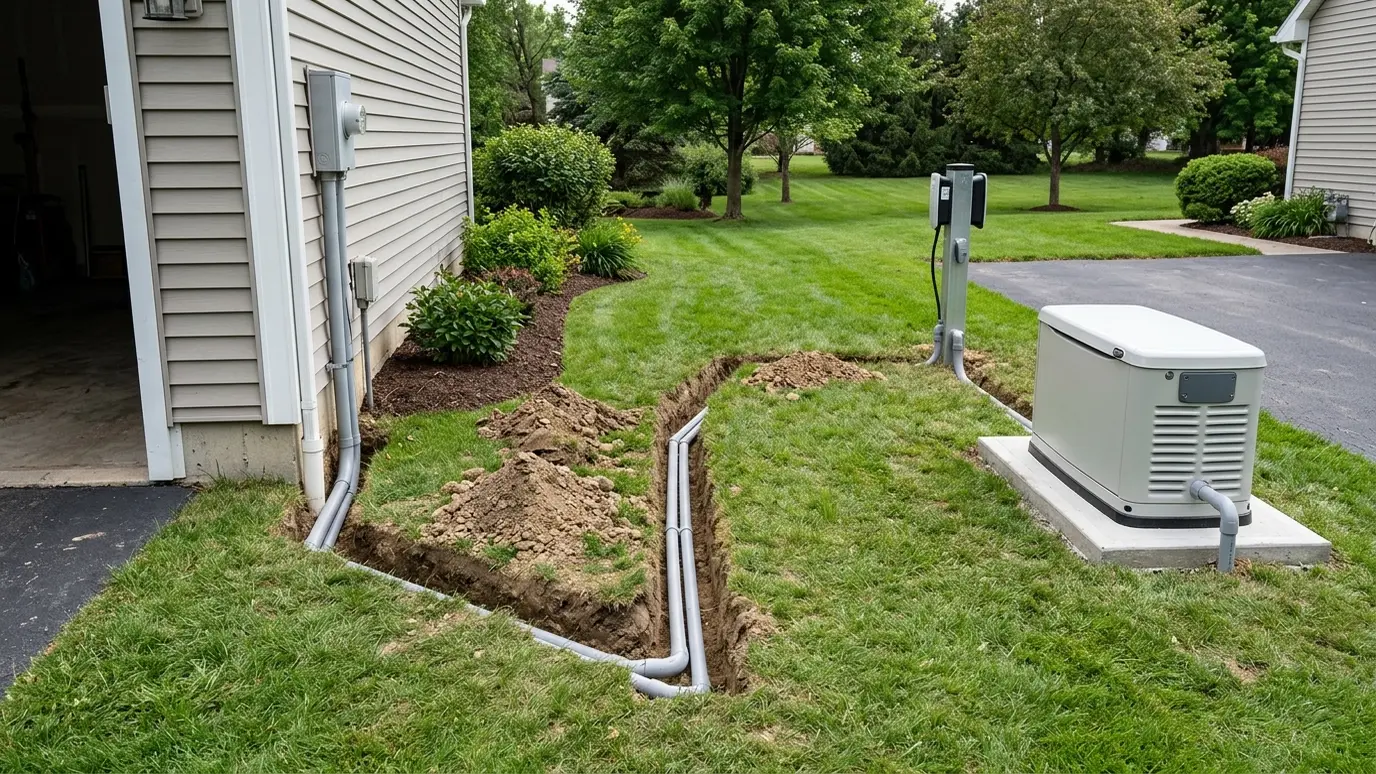 Generator and EV TrenchingTrenches, conduit and pads for standby generators, EV chargers, hot tubs and outbuildings, so your electrician can finish…Explore
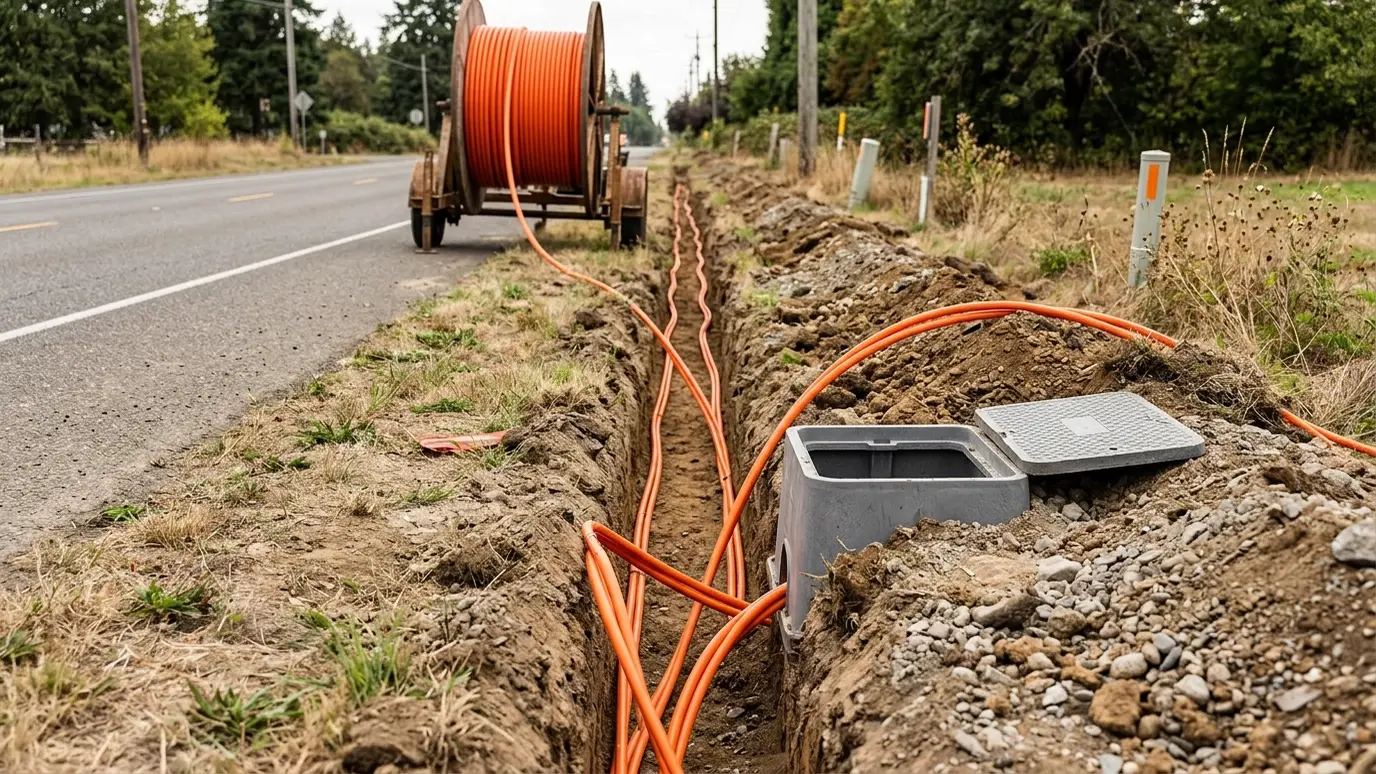 Fiber ConduitConduit, handholes and trenches or bores for fiber networks serving homes, campuses and business parks.Explore
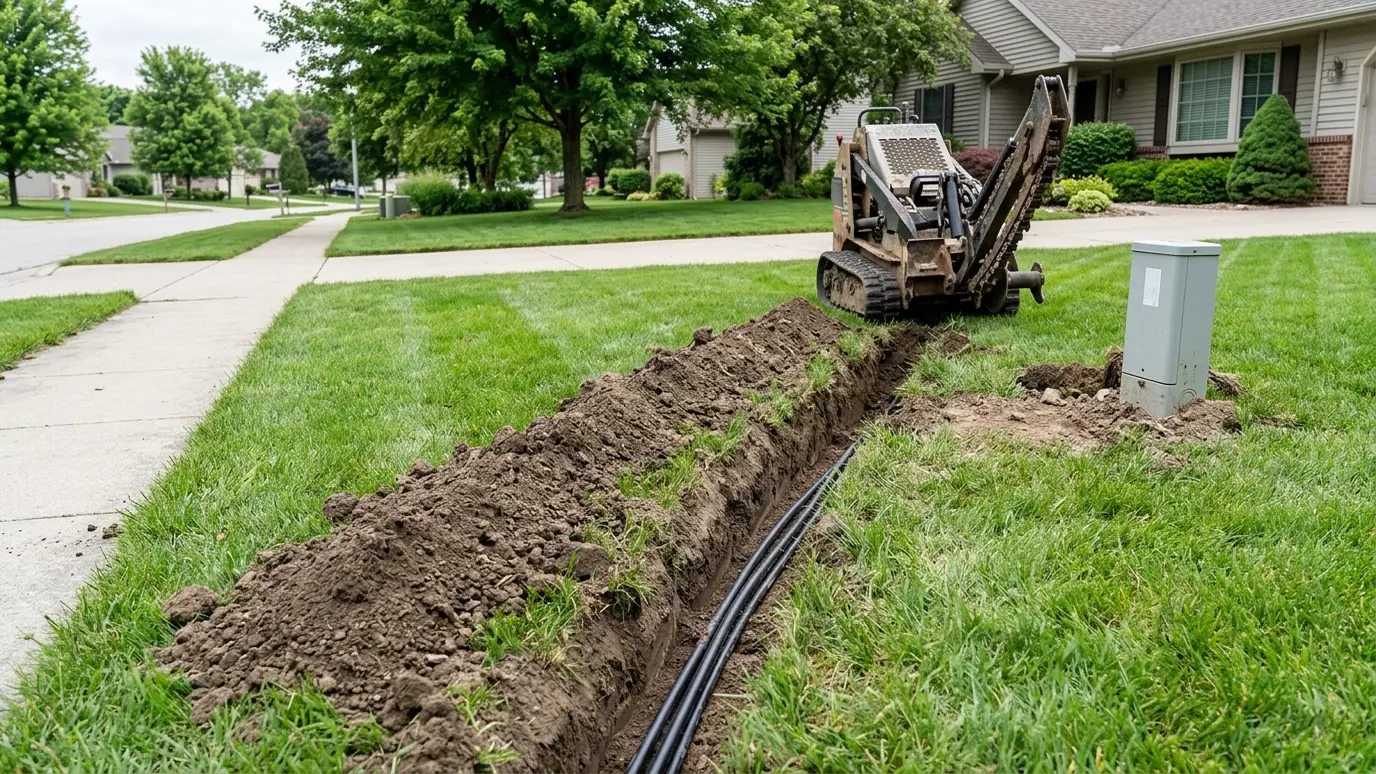 Telecom and Cable LinesTrenches and conduit for phone, internet and cable TV lines, including pedestal bases and service drops to buildings.Explore
Size a trench, plan a pipe slope or ballpark the cost.
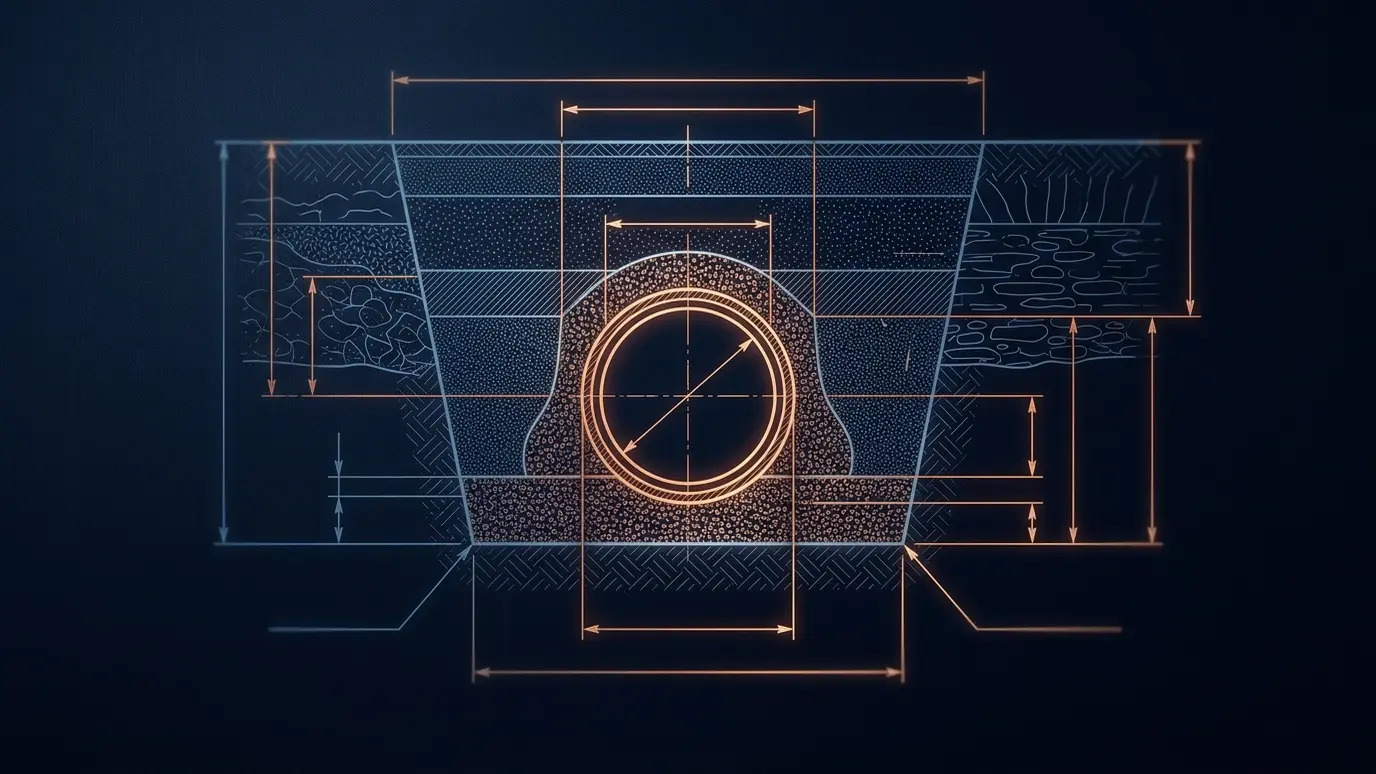 Trench Volume and Spoil CalculatorEnter trench length, width and depth and see cubic yards of soil, truckloads and bedding stone to plan for.Try it
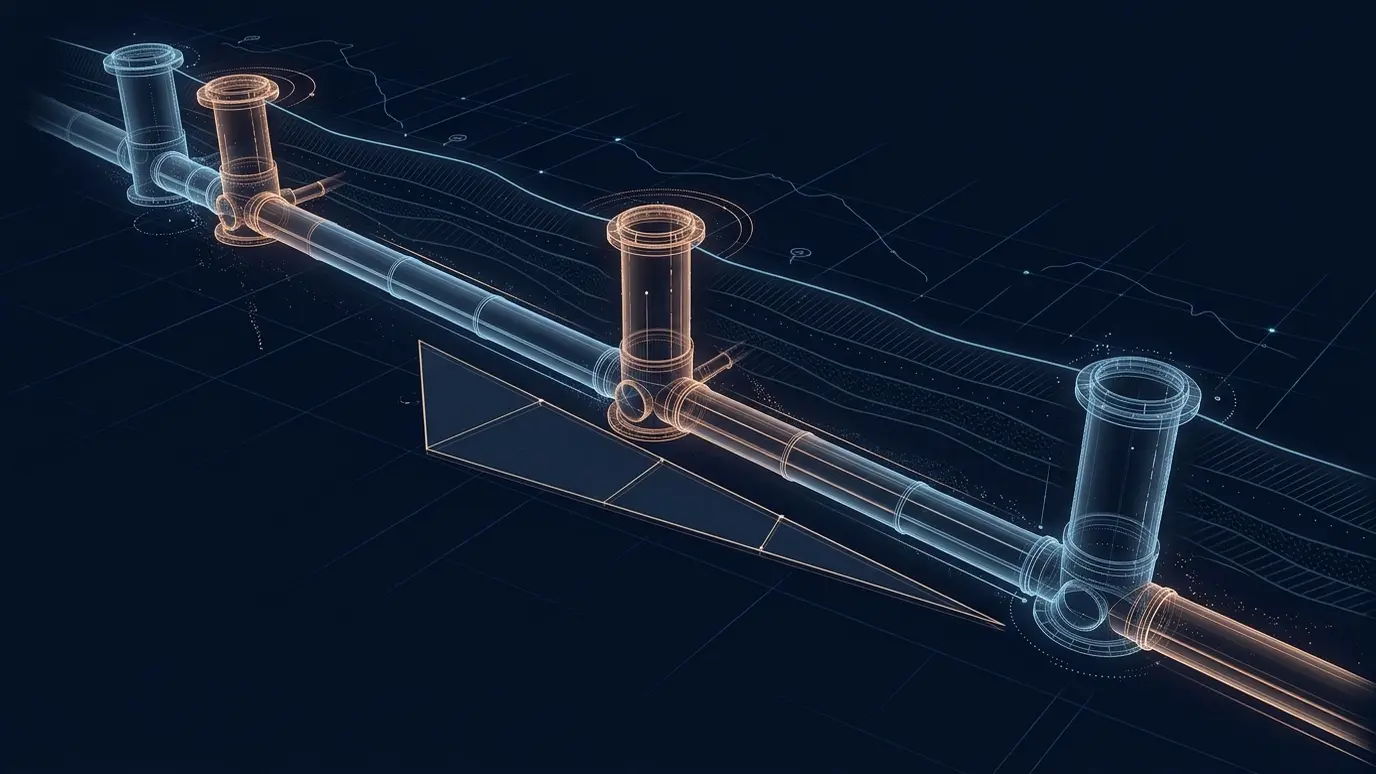 Pipe Slope and Fall CalculatorEnter run length and slope and see the total fall and the invert elevation at the far end.Try it
 Underground Utility Cost EstimatorPick a project and a size and get a ballpark planning range.Try it
Only types listed for direct burial or encased as required. Your electrician and the code decide.
Cover depth depends on the conduit type and what is above it. We build to the requirement.
It lets crews pull the cable later without opening the conduit.
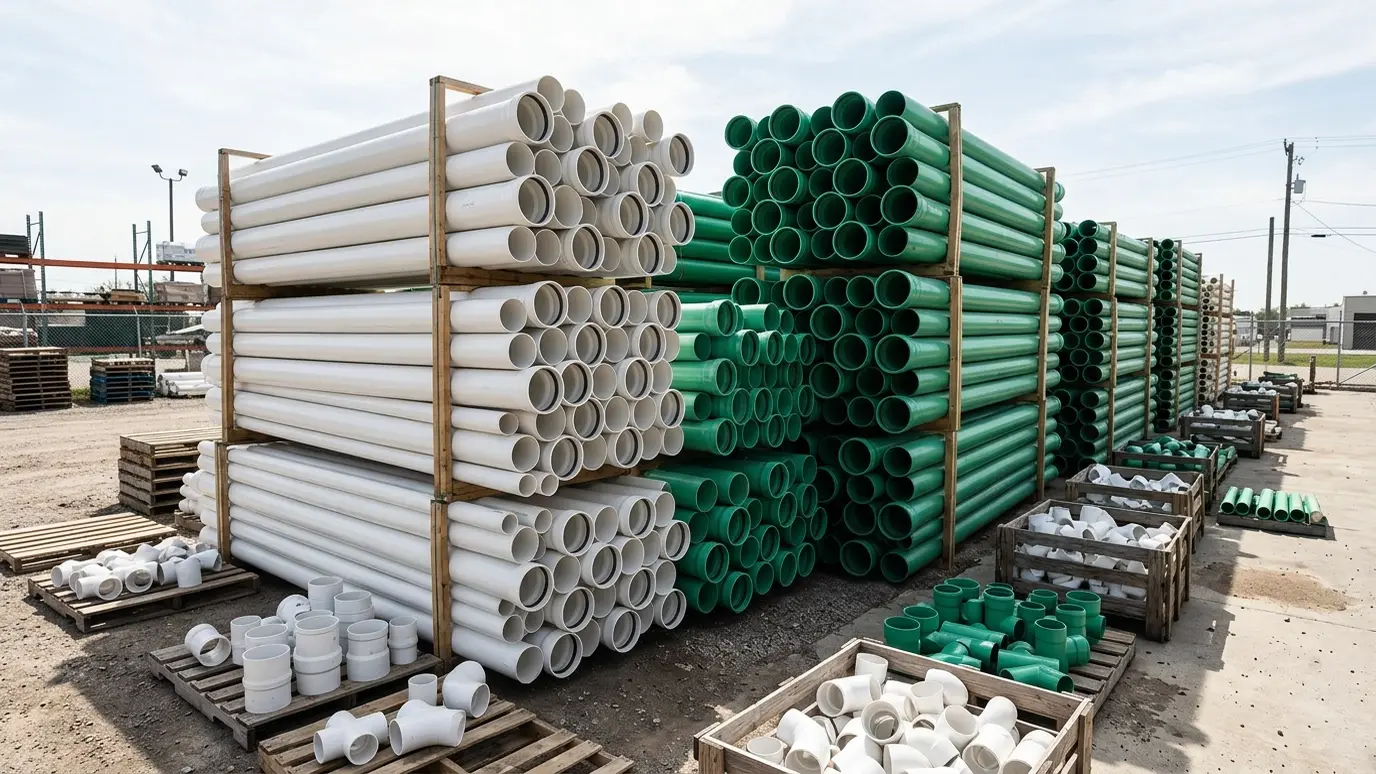 Material guidePVC PipeThe most common modern underground pipe: where PVC is the right choice, how it is joined and what…Learn more
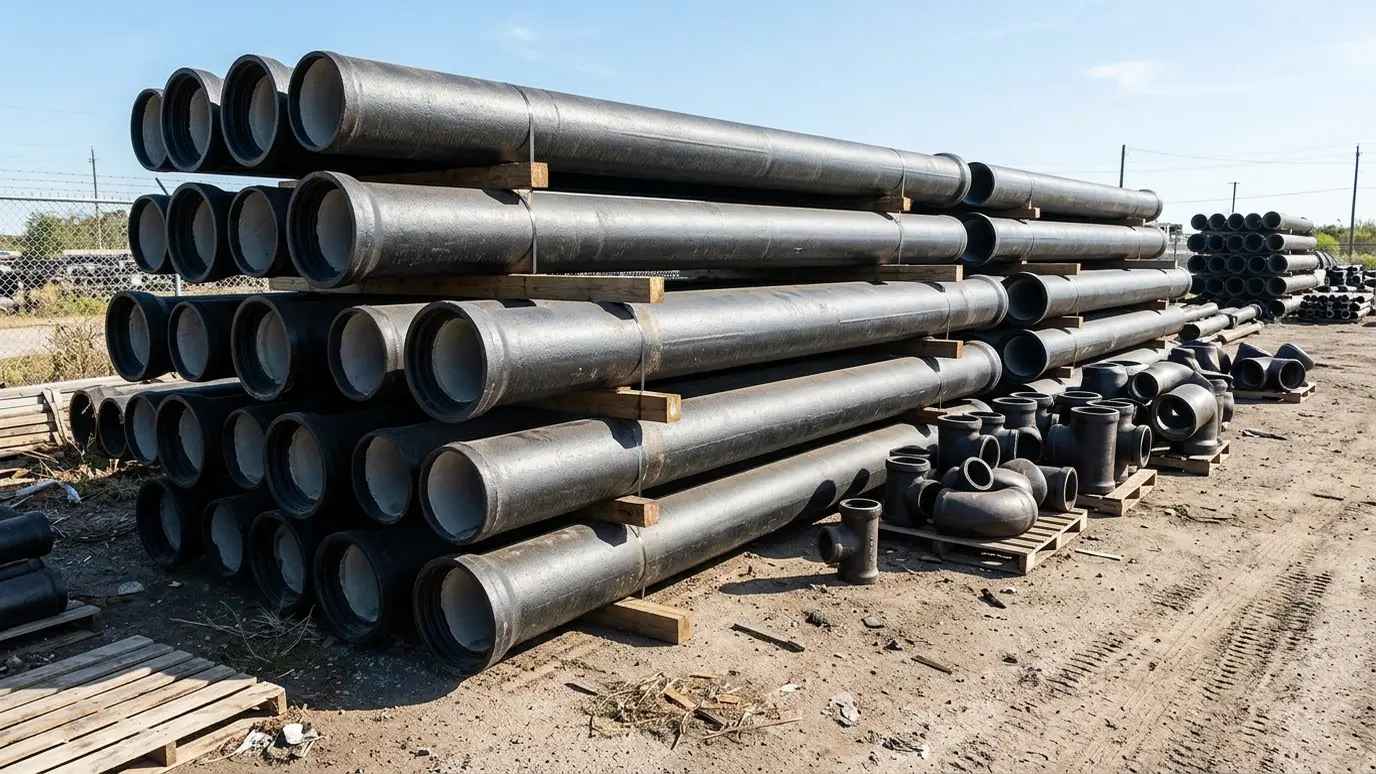 Material guideDuctile Iron PipeThe strong, long-lived metal pipe used for water mains, fire lines and heavy-duty crossings, and how it is…Learn more
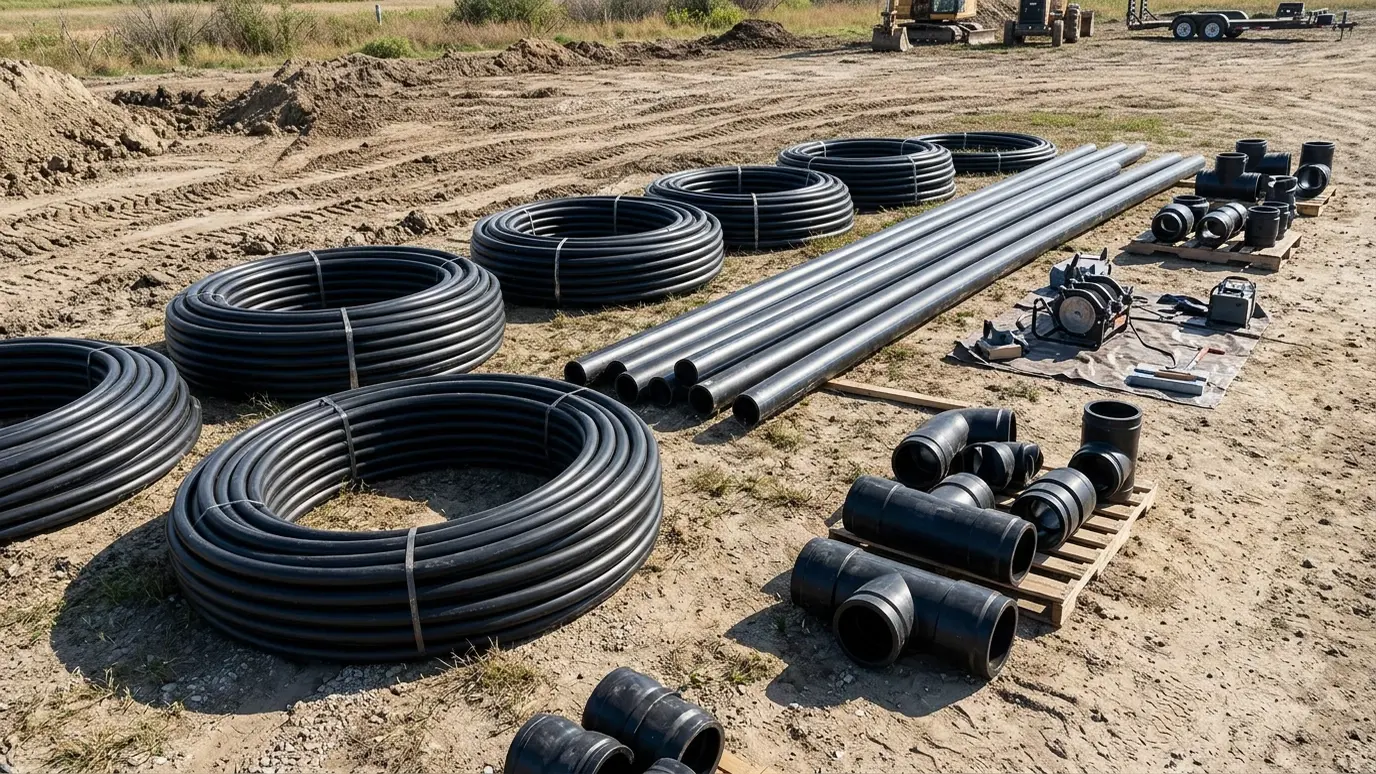 Material guideHDPE PipeFlexible black polyethylene pipe for bores, pipe bursting, force mains and water lines, joined by heat fusion into…Learn more
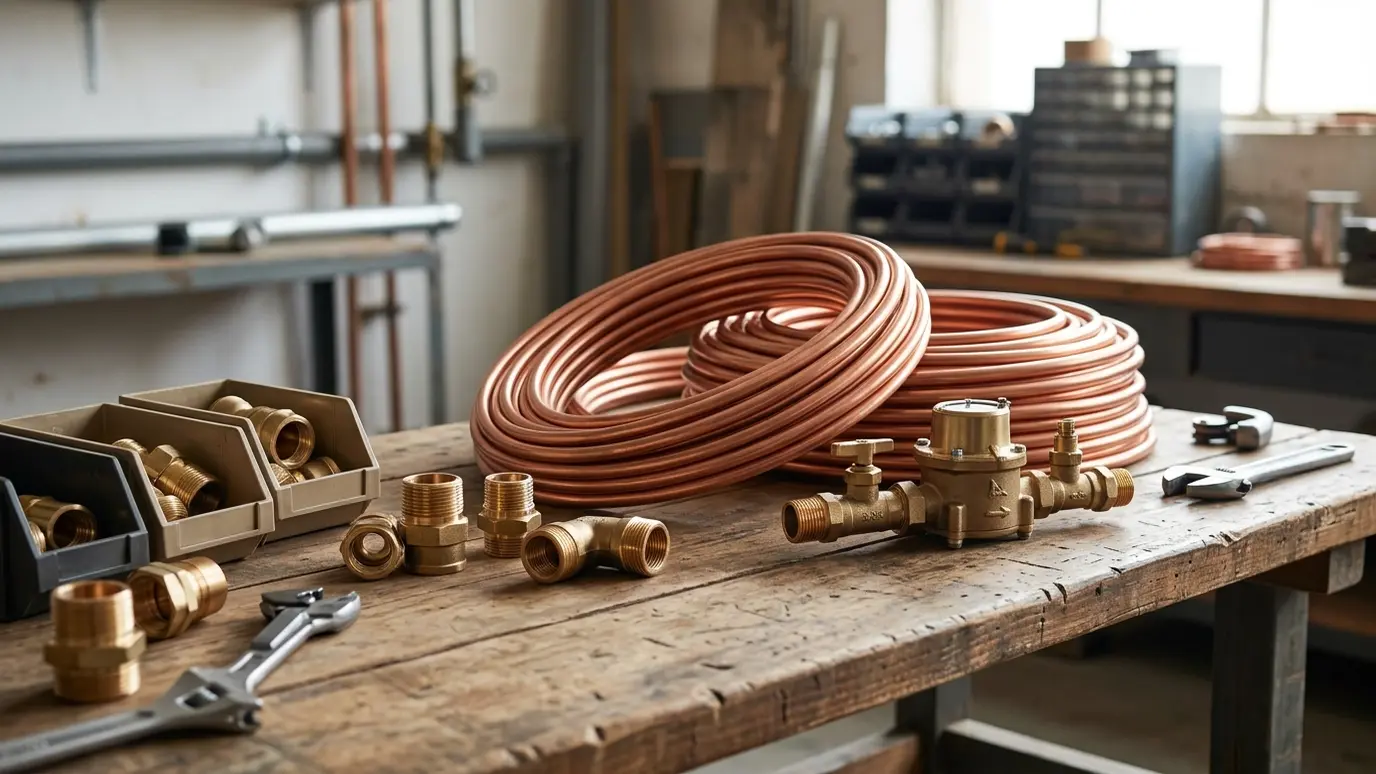 Material guideCopper Service LinesCopper tubing for water services: why it is still widely used, how it is joined and where it…Learn more
Quick scheduling, careful work and a clear price before we start.