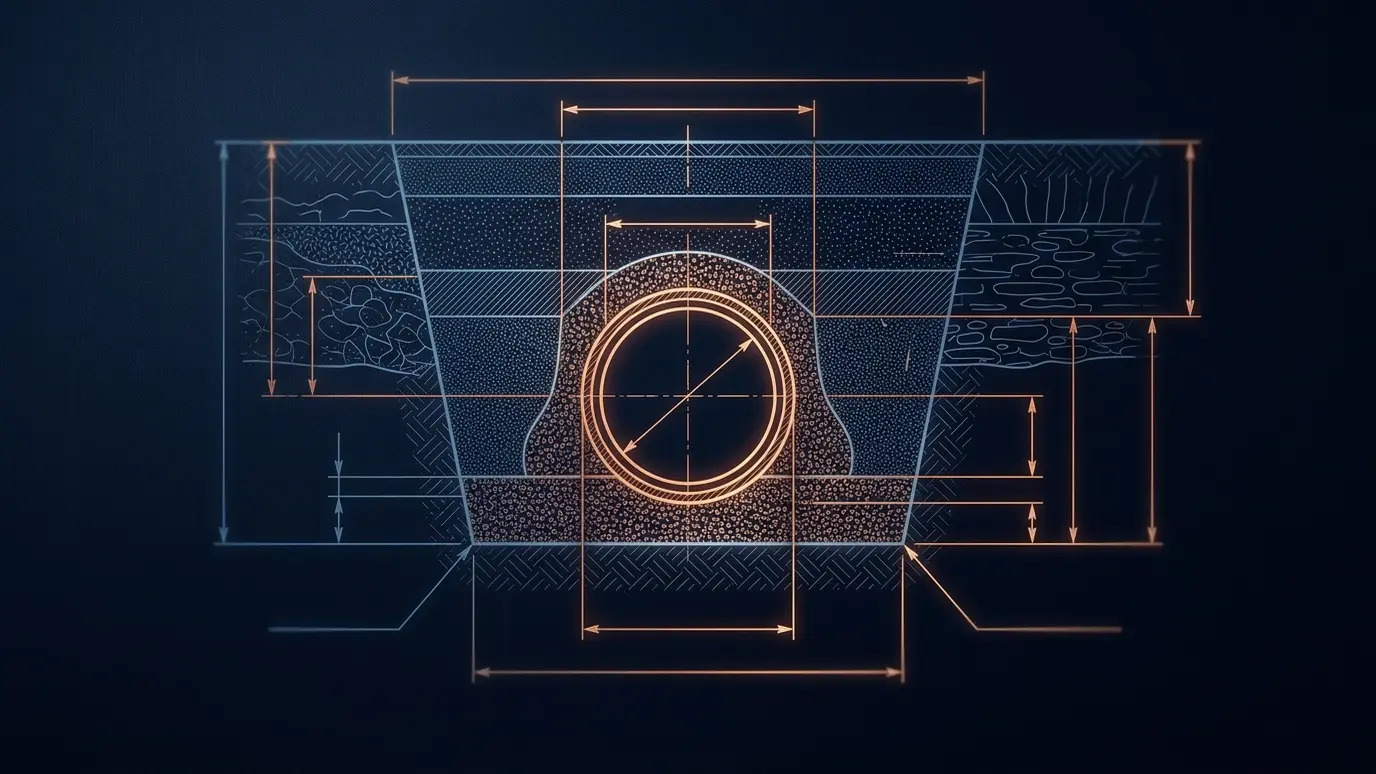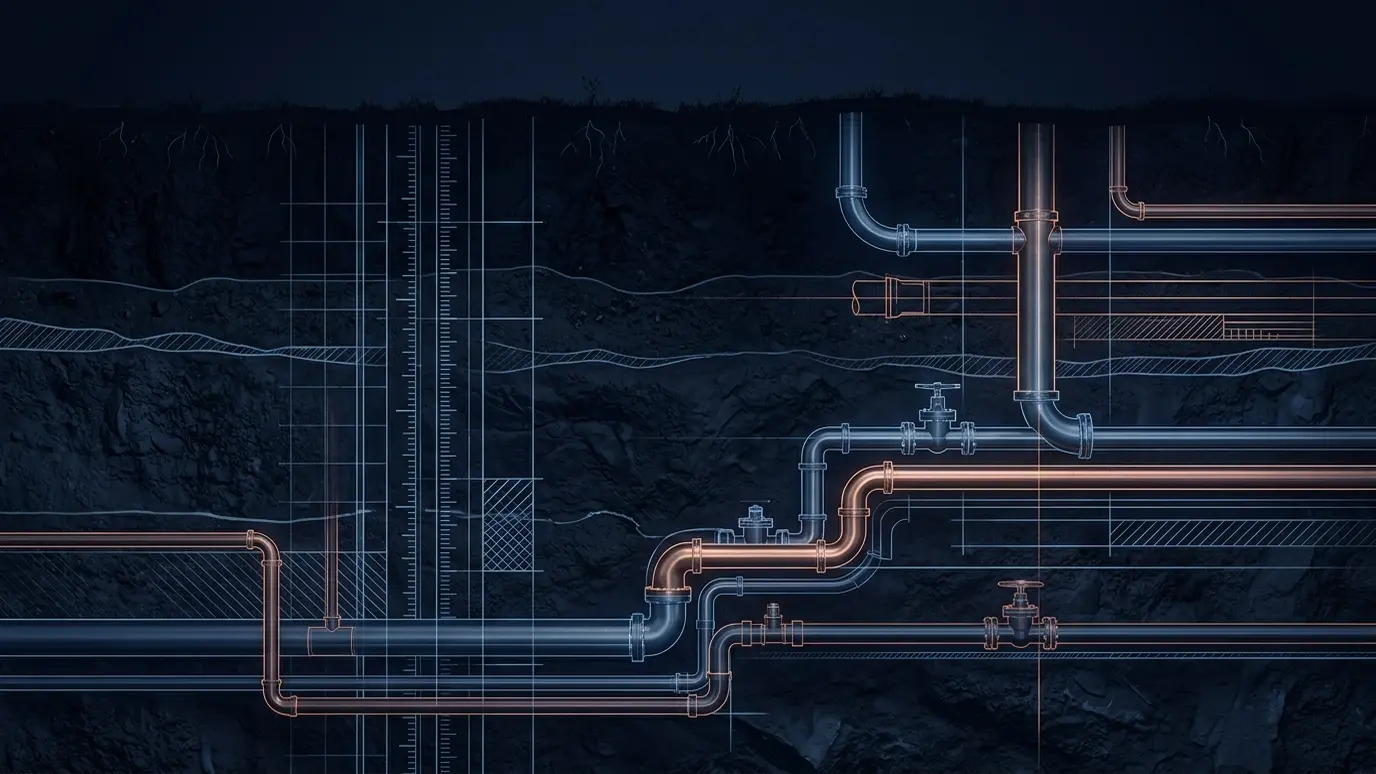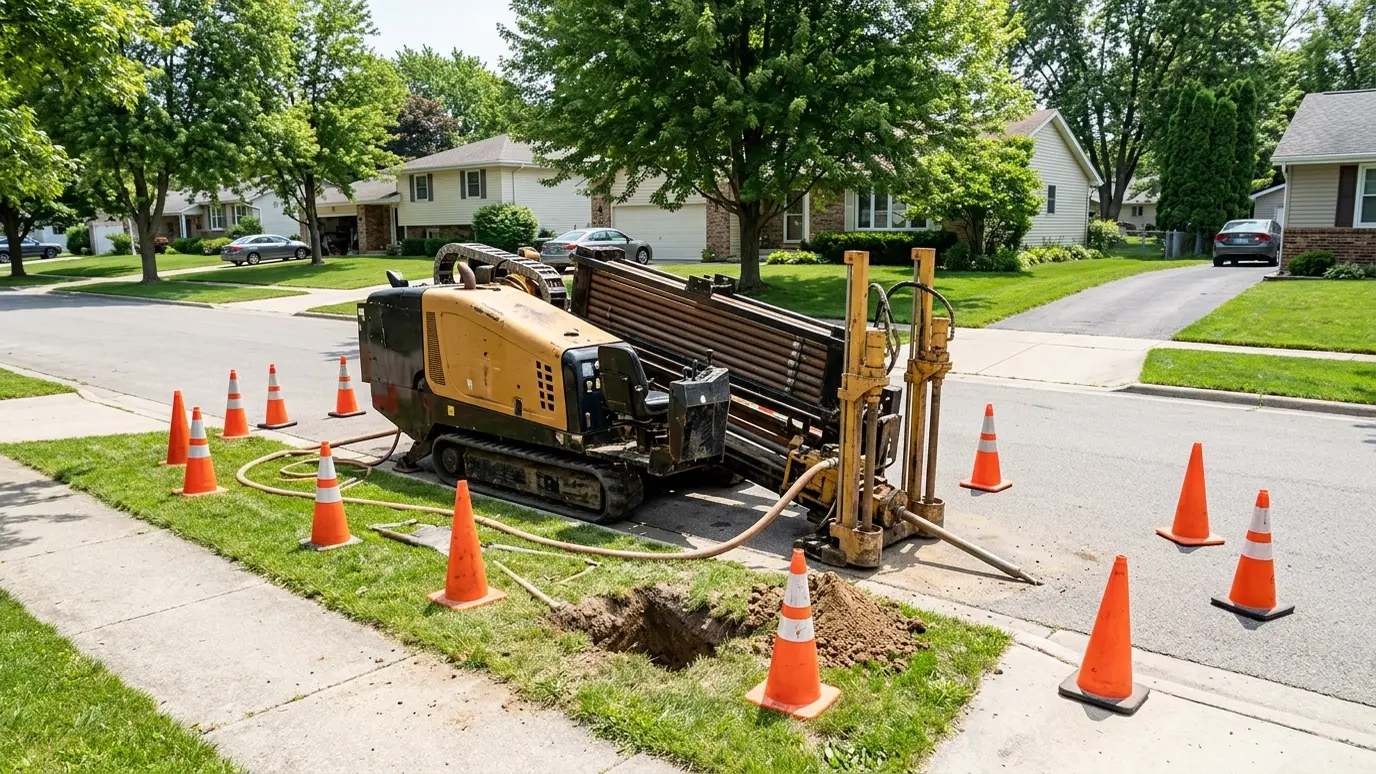
Steerable drilling that installs pipe and conduit beneath roads, driveways, creeks and landscaping without opening a trench.
Directional drilling lets a crew install a pipe or conduit from one pit to another underground, without disturbing what lies between. A road, a driveway, a creek bank or a row of mature trees can stay exactly as they are while a new line passes beneath.
We drill a small pilot hole along a planned path, steer it using a locating system, enlarge it with a reamer and pull the new pipe or conduit through. Entry and exit pits are small and restored when we finish. Boring is used for water, sewer force mains, gas, electric and fiber, whenever the soil and the path make it a good option.
Every bore starts with locating and potholing existing utilities, then planning the depth and the arc. We keep a safe distance from other lines and check the path as we drill.
Clay, sand and soft rock drill well. Hard limestone or cobbles can slow a bore or force a change of method, and we tell you honestly how your soil looks.
A mud of water and clay lubricates the bore and carries cuttings. We manage and recycle it so it does not run into yards or storm drains.
Drilling mud is mostly water and clay. We contain and recycle it, and we avoid releases near creeks and storm drains. Stream crossings often need regulatory approval, and we coordinate those.
Drag the handle to compare.
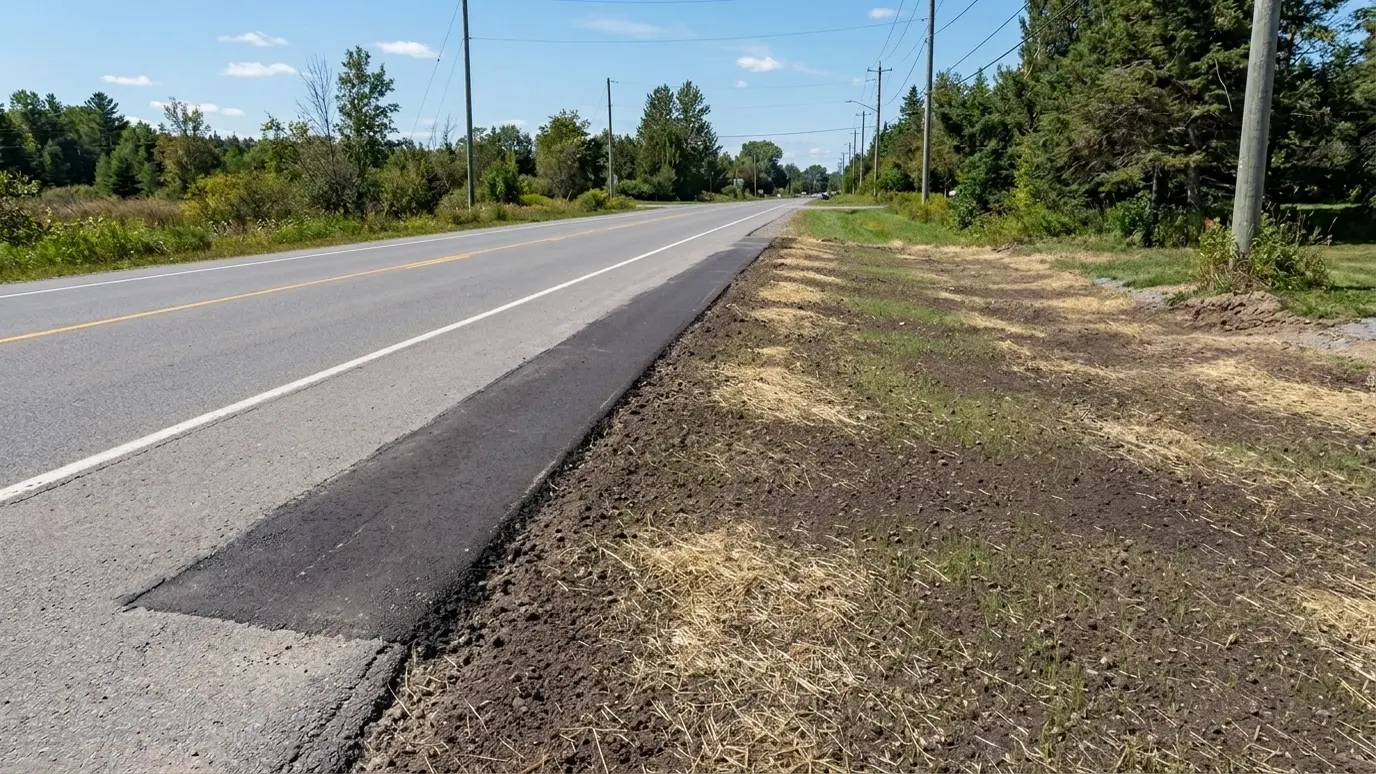
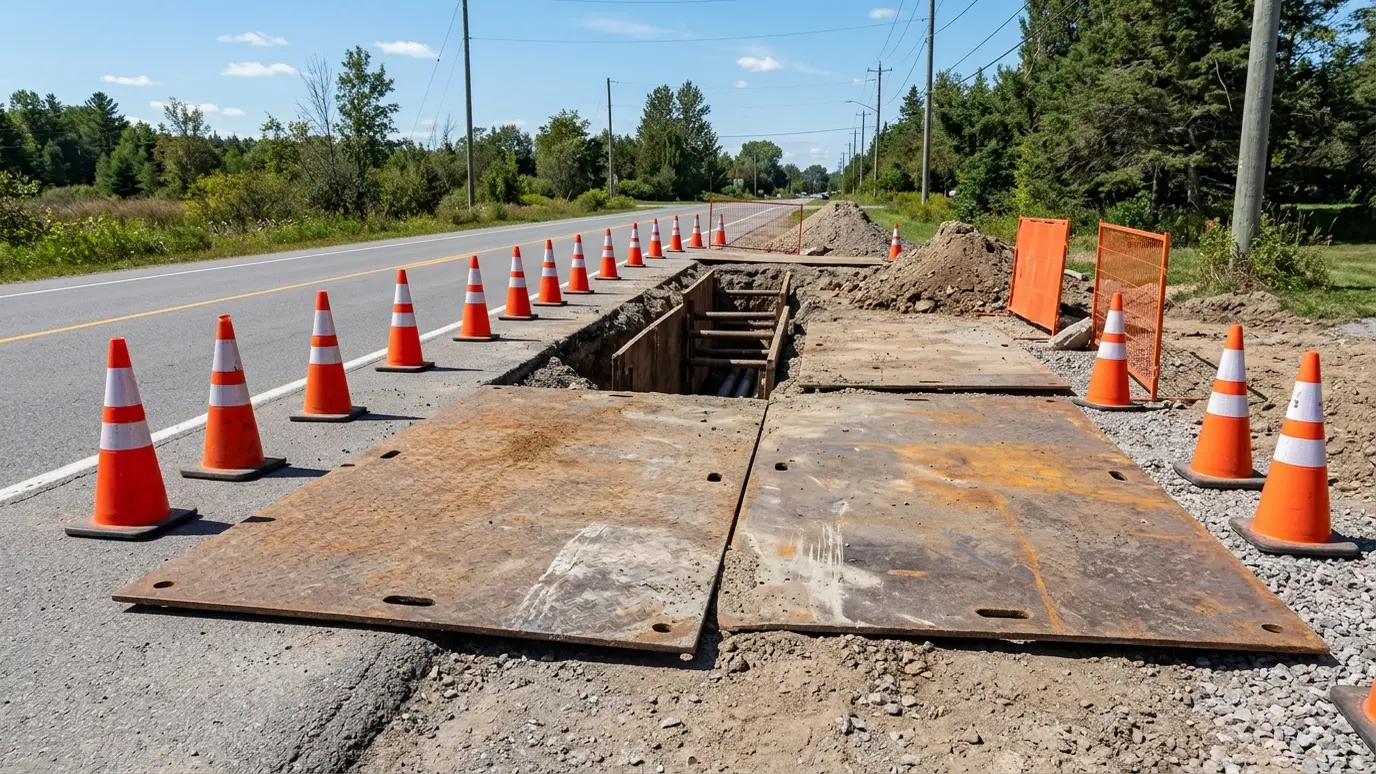 BeforeAfter
Roads and landscaping stay intact.
Depth and line controlled.
Potholing before and during.
Drilling fluid contained and recycled.
Many lines installed this way.
We say when boring is not right.
Every topic has its own page with what to expect and how we approach it.
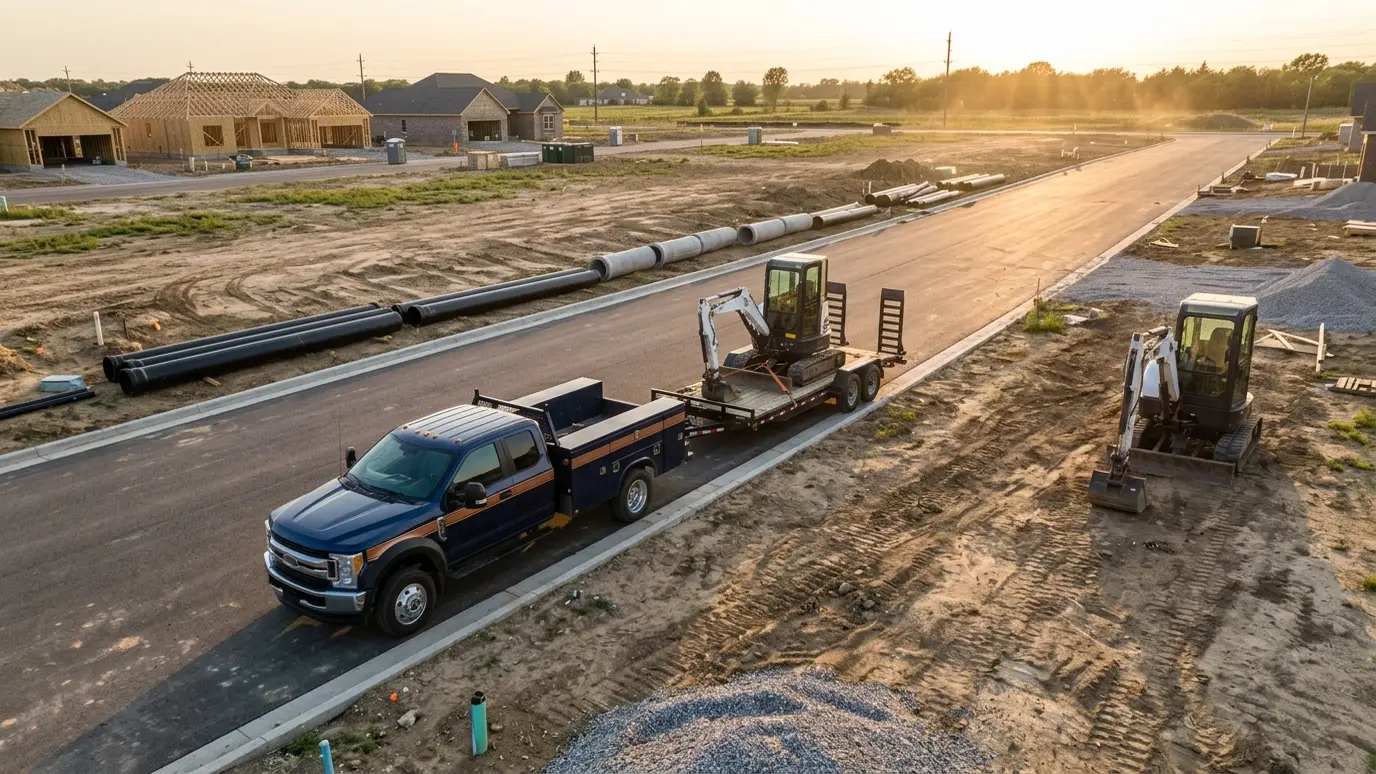 SituationDevelopers and BuildersInfrastructure for subdivisions and multi-lot projects: schedules, sequencing, inspections and clean hand-offs to the next trades.Learn more
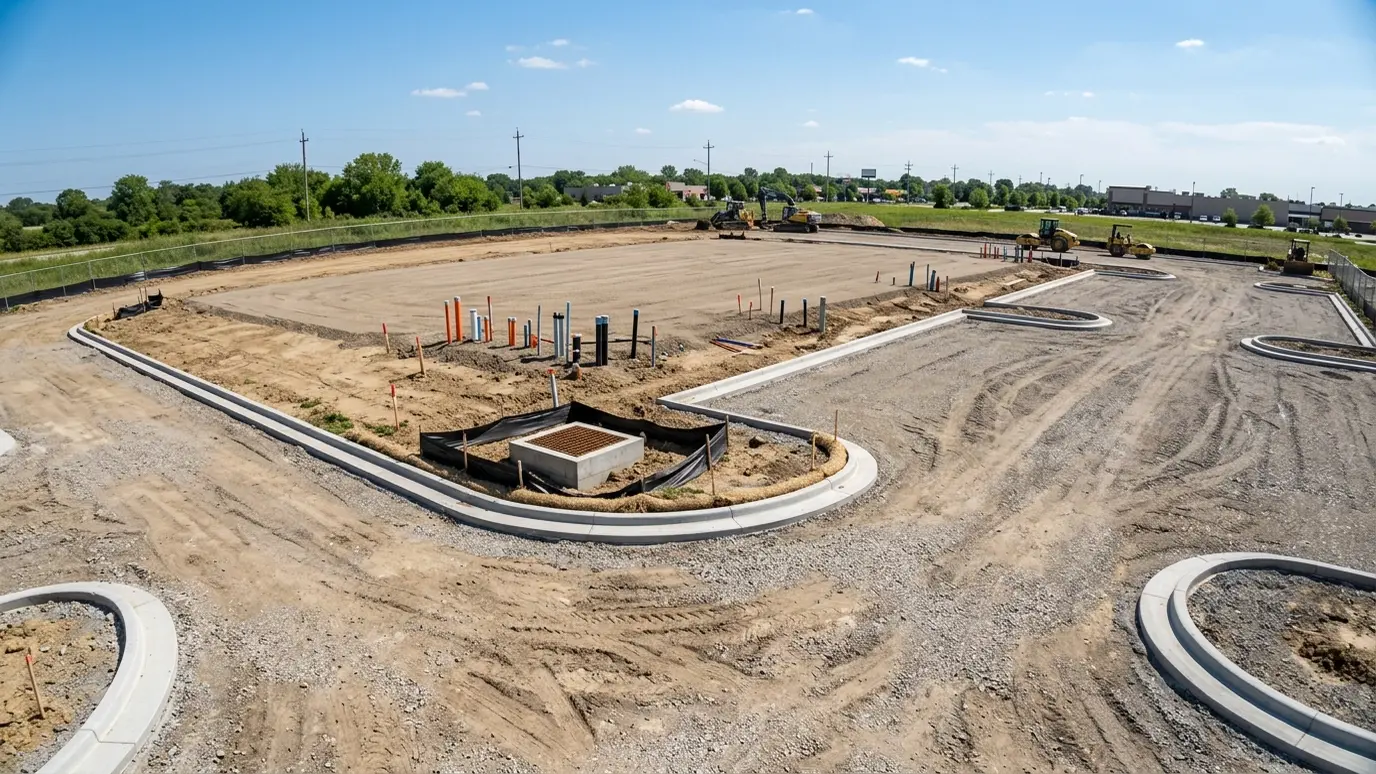 SituationCommercial and IndustrialUtilities for stores, offices and industrial sites: fire lines, vaults, sewer, storm, power and conduit, built to the…Learn more
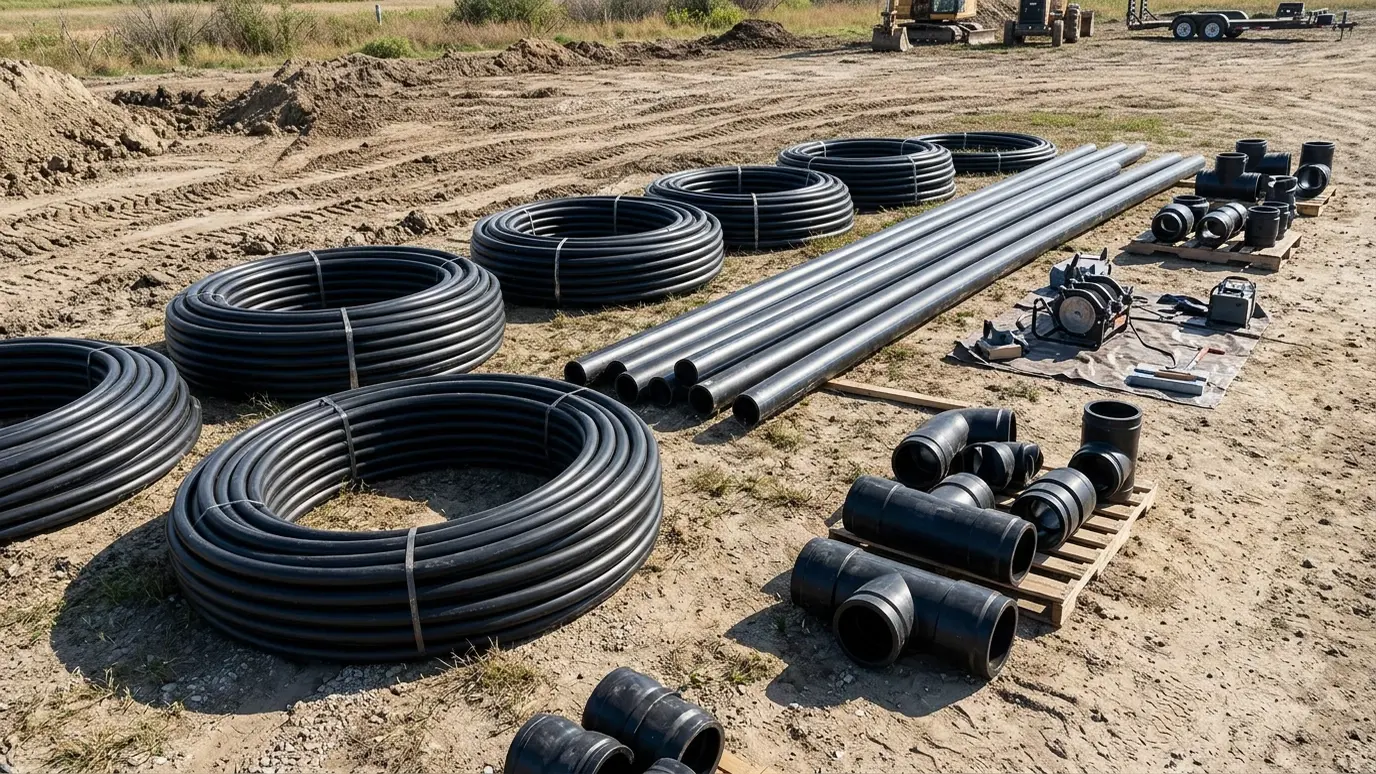 Material guideHDPE PipeFlexible black polyethylene pipe for bores, pipe bursting, force mains and water lines, joined by heat fusion into…Learn more
Answer a few questions about the surface, soil and length and see whether trenching or boring suits your line.
Tell us what you need and send photos or a site plan if you can. We plan the visit so we arrive ready.
We call 811, walk the site, confirm lines and plan the route and depth.
You get a clear written price, and we agree a day and an arrival window.
Trenching or boring to the plan, with safe walls, careful spoil handling and protection for your lawn.
Pipe or conduit laid on a good bed, joints checked, tests and inspections done before cover-up.
Compacted backfill, grading, sod or paving repair and a walk-through with you.
Depth depends on what you cross and the pipe requirements. Under roads, bores are set well below the pavement structure.
It depends. Over short, open runs trenching can be cheaper. When surfaces must be restored, boring is often competitive.
HDPE, fused PVC and steel are commonly pulled, and conduit bundles too, depending on the project.
Yes, where permits and soil allow. Stream crossings often involve regulations, so we coordinate with the right agencies.
It is contained, recycled and hauled off as needed, so it does not run into yards or drains.
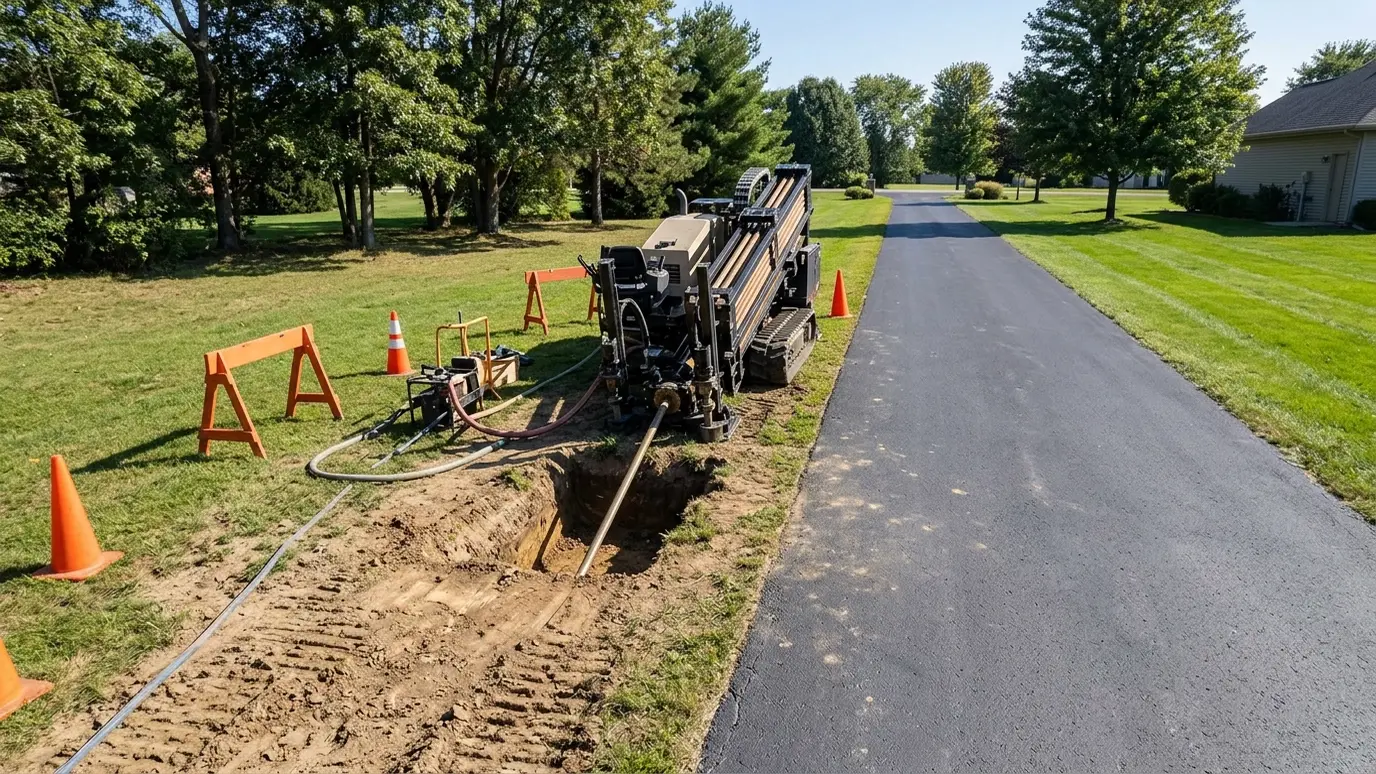 Road and Driveway CrossingsShort bores that carry water, sewer, power or conduit under roads, driveways and walks, leaving the surface unbroken.Explore
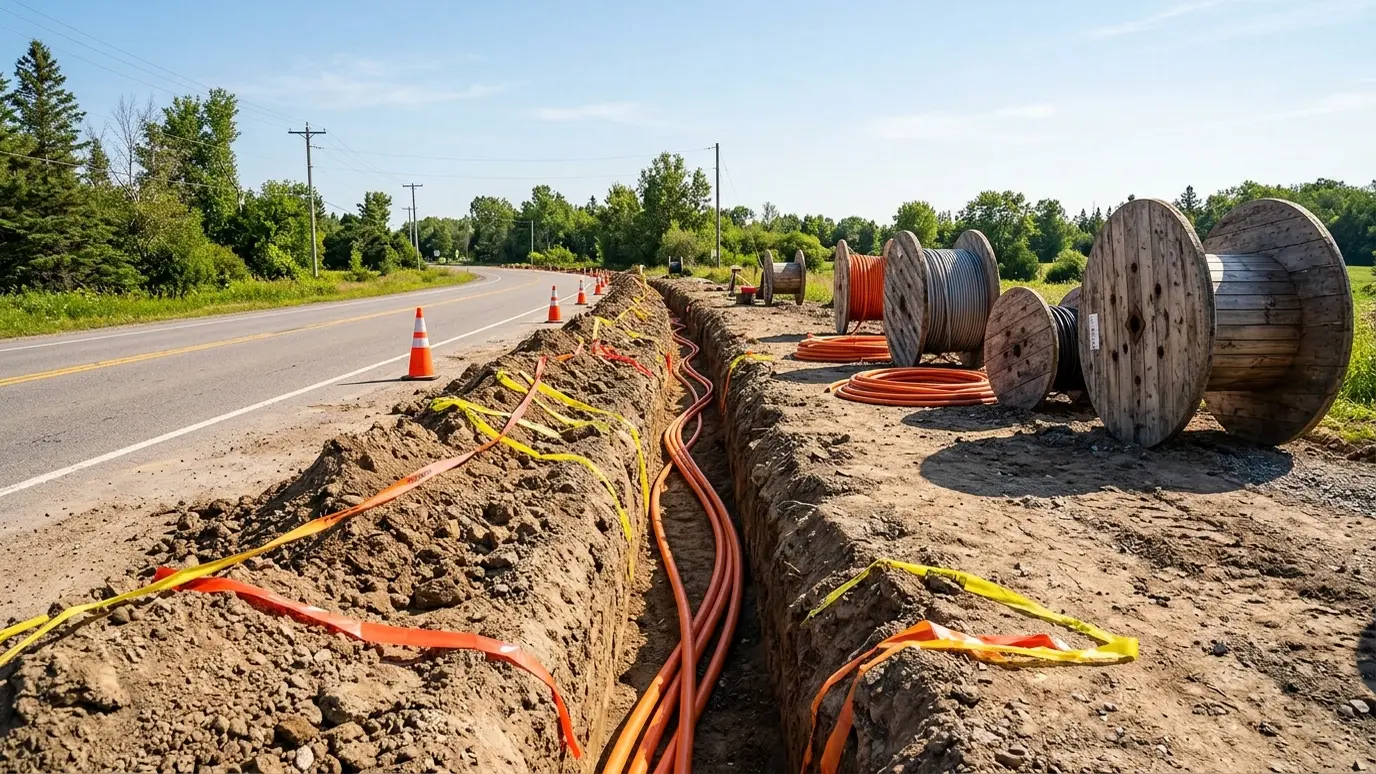 Underground Power LinesPrimary and secondary power lines placed underground in trenches and bores, built to the utility specification.Explore
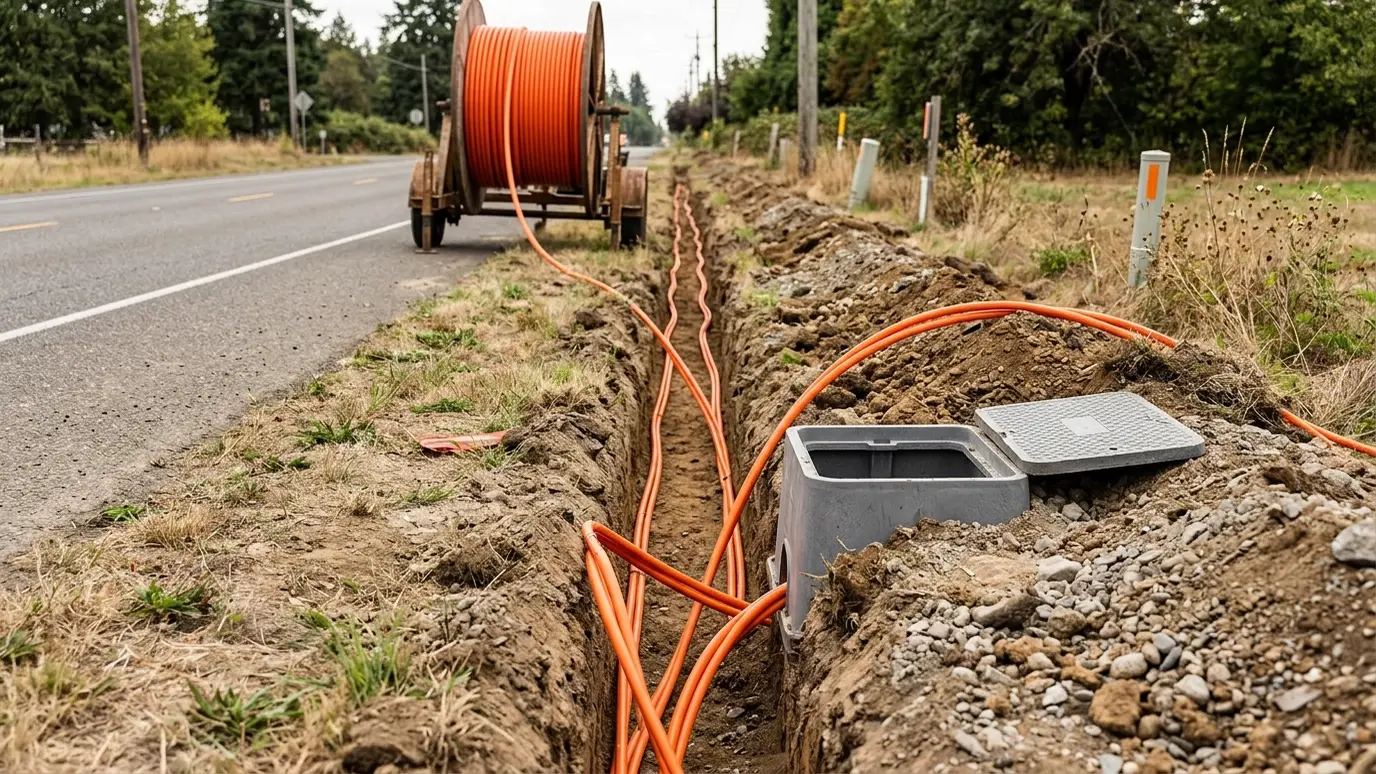 Fiber ConduitConduit, handholes and trenches or bores for fiber networks serving homes, campuses and business parks.Explore
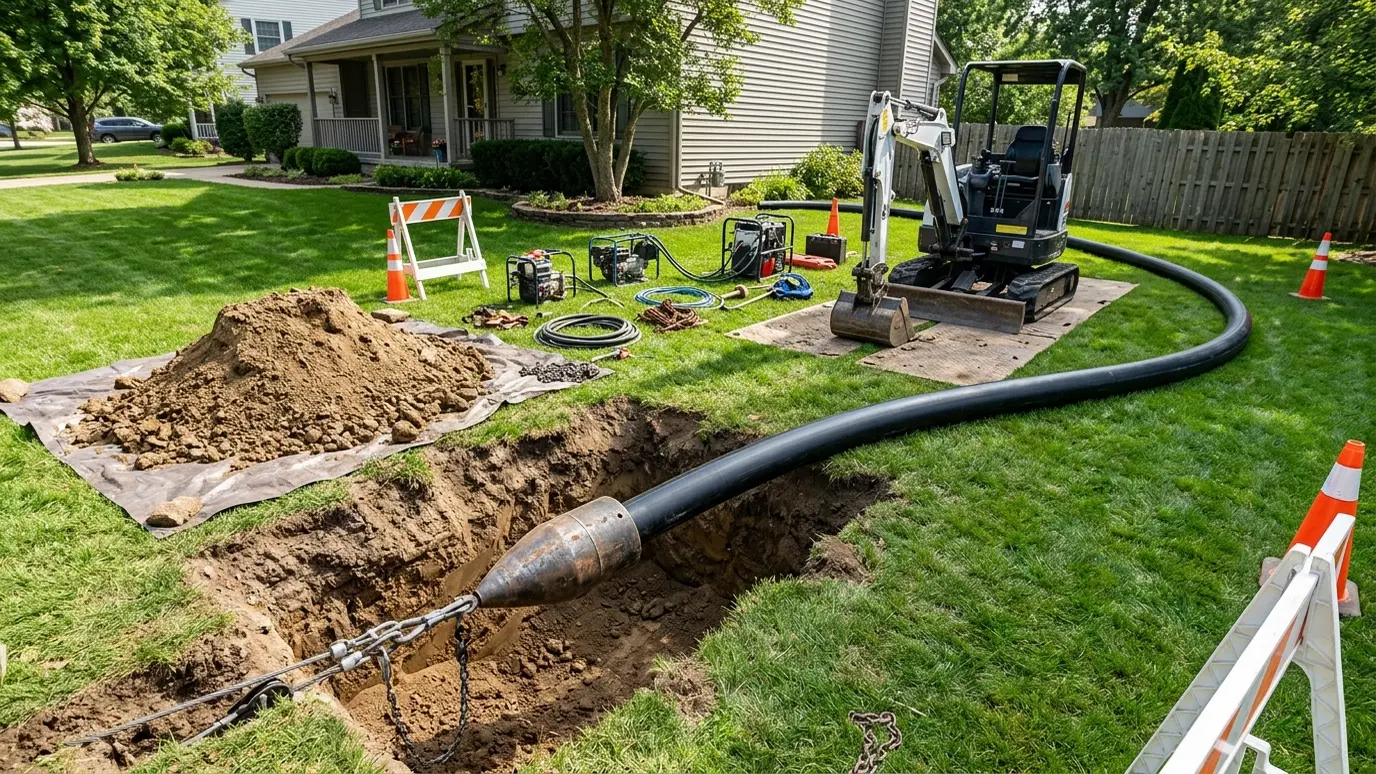 Trenchless Sewer RepairReplace old sewer and water lines with new pipe pulled through the old path, so you keep your…Explore
Tell us about the job and we will call you back quickly.
Or call (615) 357-7797 to talk now.