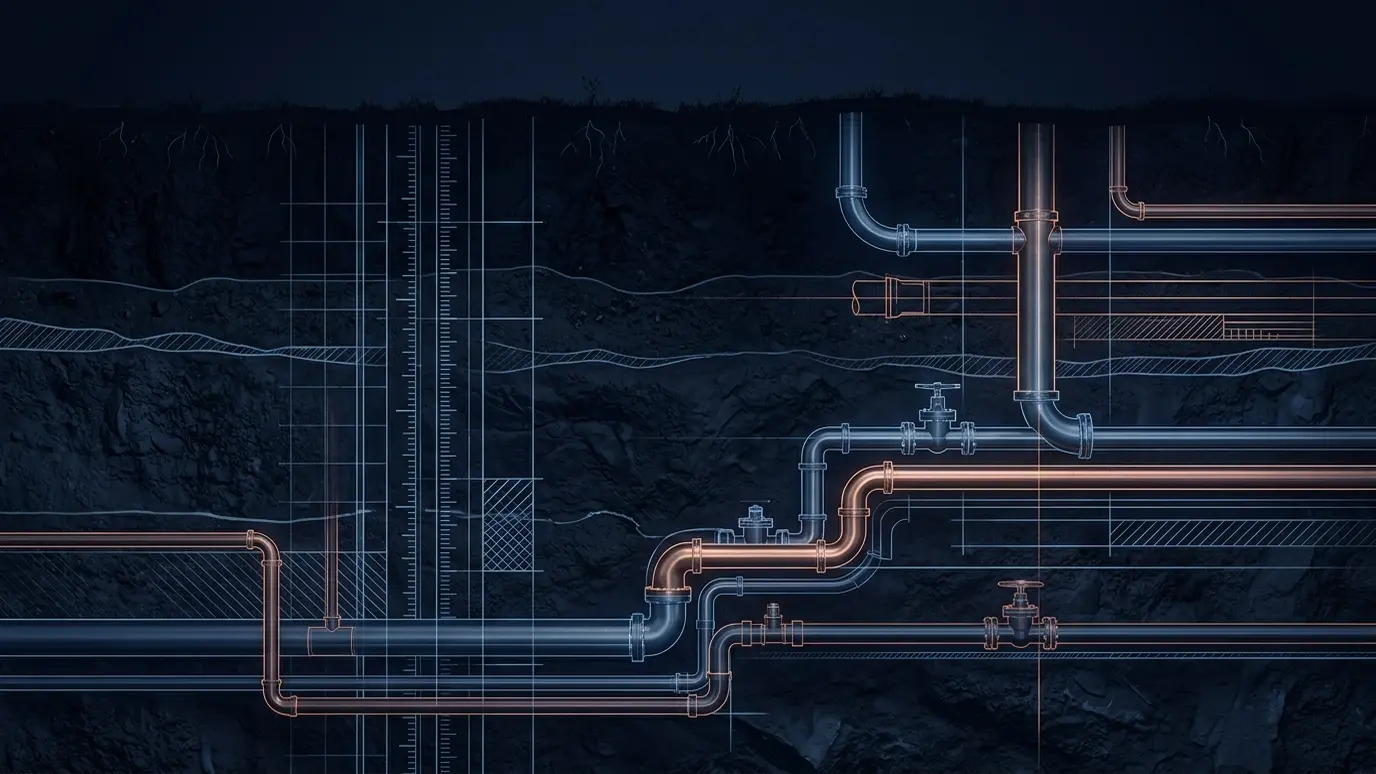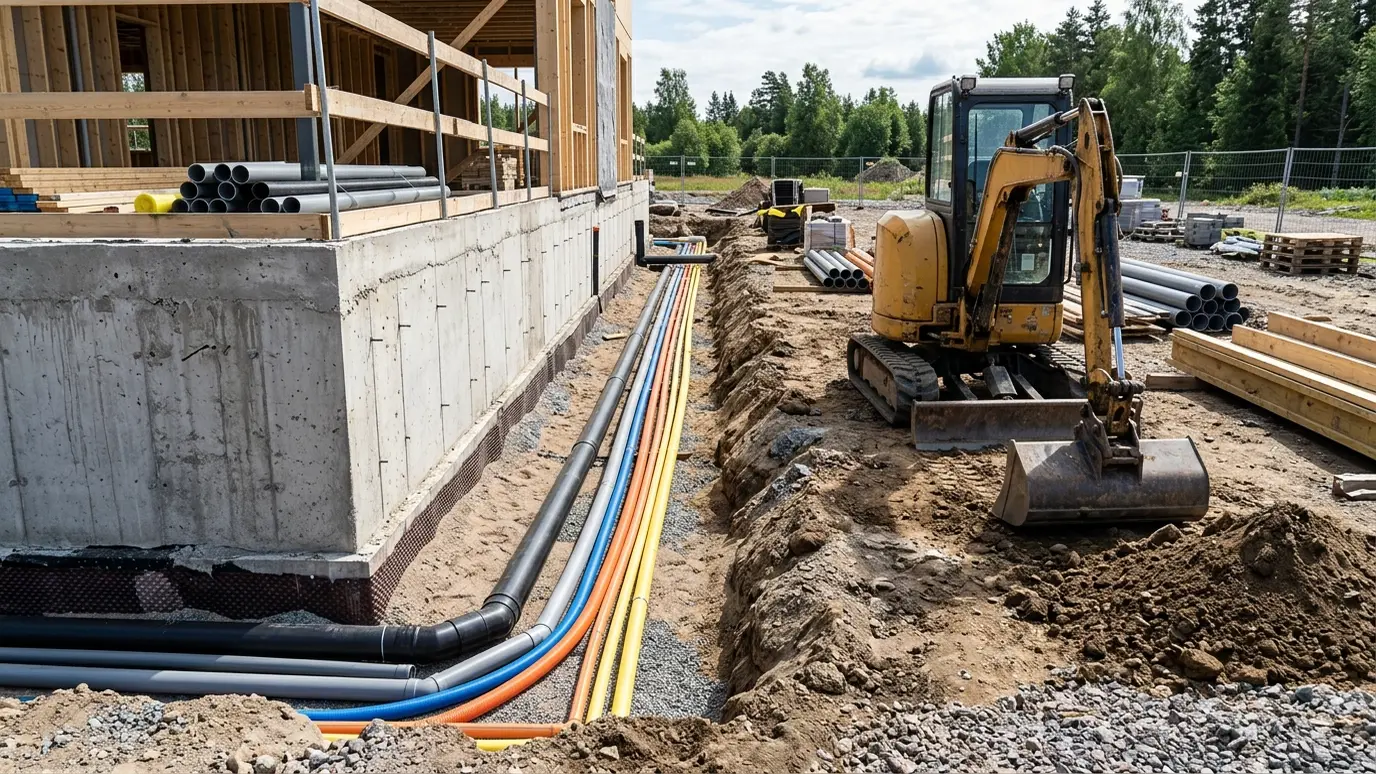
Moving existing water, sewer, electric, gas and communication lines out of the way of a new building, driveway or addition.
Plans change, and utilities sometimes end up under the wrong place. A new garage, an addition or a pool may sit on top of a water line, a sewer lateral or a power cable. Moving the line before building avoids damage and keeps the utility accessible.
We locate the existing lines, plan a new route with the utility or owner and install the replacement line before the old one is shut off. That way service is interrupted as briefly as possible. Where lines are owned by a utility, the utility makes the final shutoff and connections, and we handle the excavation and installation around it.
Before moving anything, we pothole to confirm depth, size and material of the existing line. Plans are rarely accurate, and the line is often somewhere else.
The new line goes in and is tested before the old one is cut off. Service then switches over quickly, and homeowners are not left without water or power.
Moving a public or utility-owned line takes approval. We prepare the plan and coordinate so that the work is scheduled correctly.
Utility lines often sit within easements, and building over an easement is usually restricted. Check your plat and the utility before you plan a structure near a line.
Drag the handle to compare.
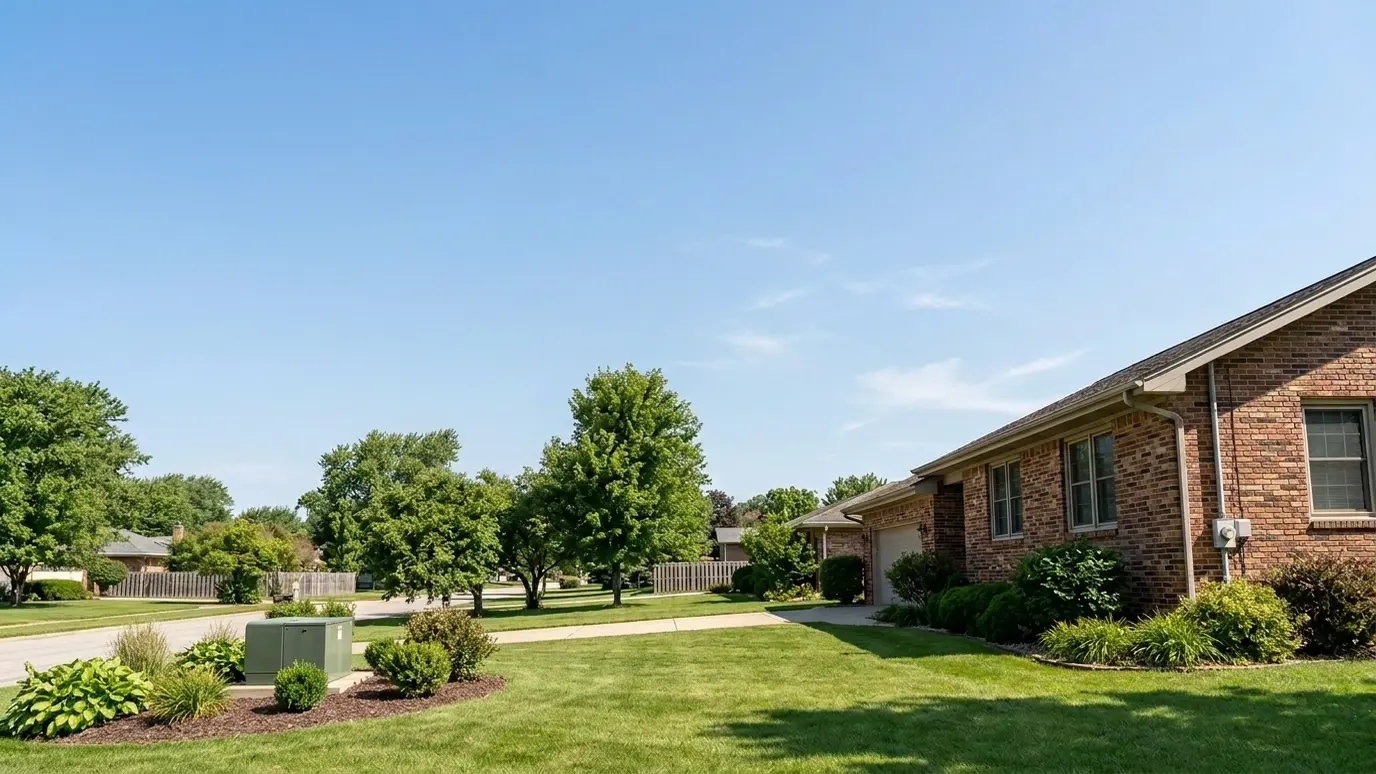
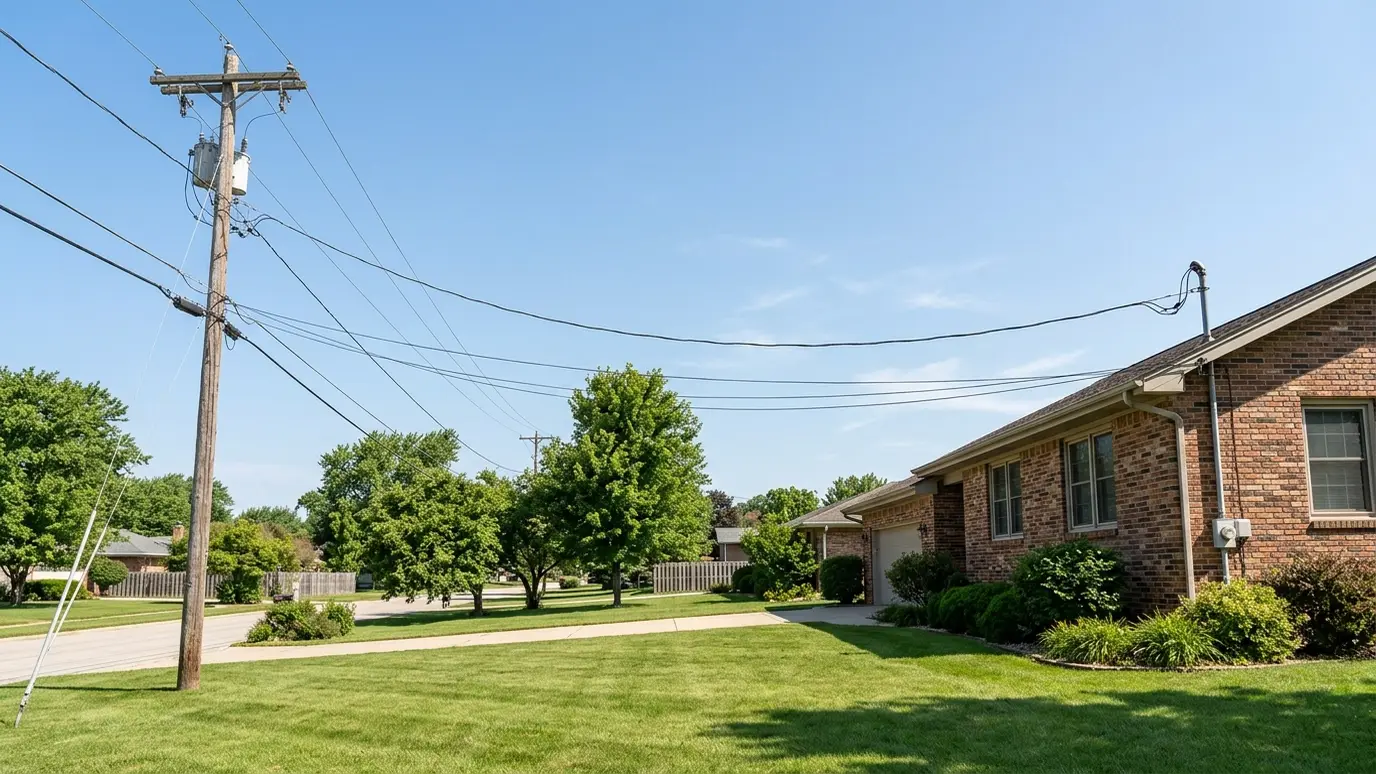 BeforeAfter
New route built before the old one goes.
Potholing for depth and location.
Switchovers planned in advance.
Plans coordinated with the owner.
Many types of lines relocated.
Capped and recorded.
Every topic has its own page with what to expect and how we approach it.
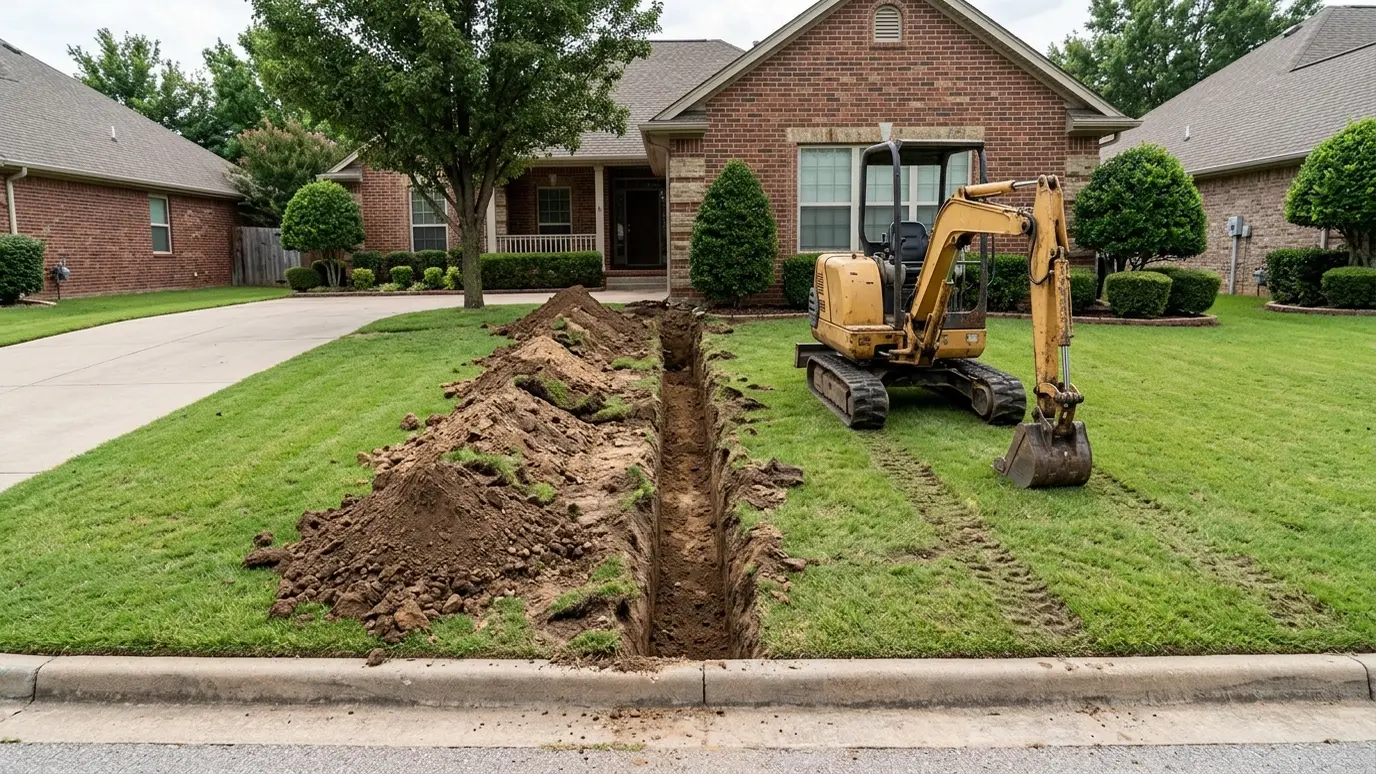 SituationHomeowner Line RepairsSlow drains, wet spots, low pressure and sunken lawns: how to tell what is wrong underground and what…Learn more
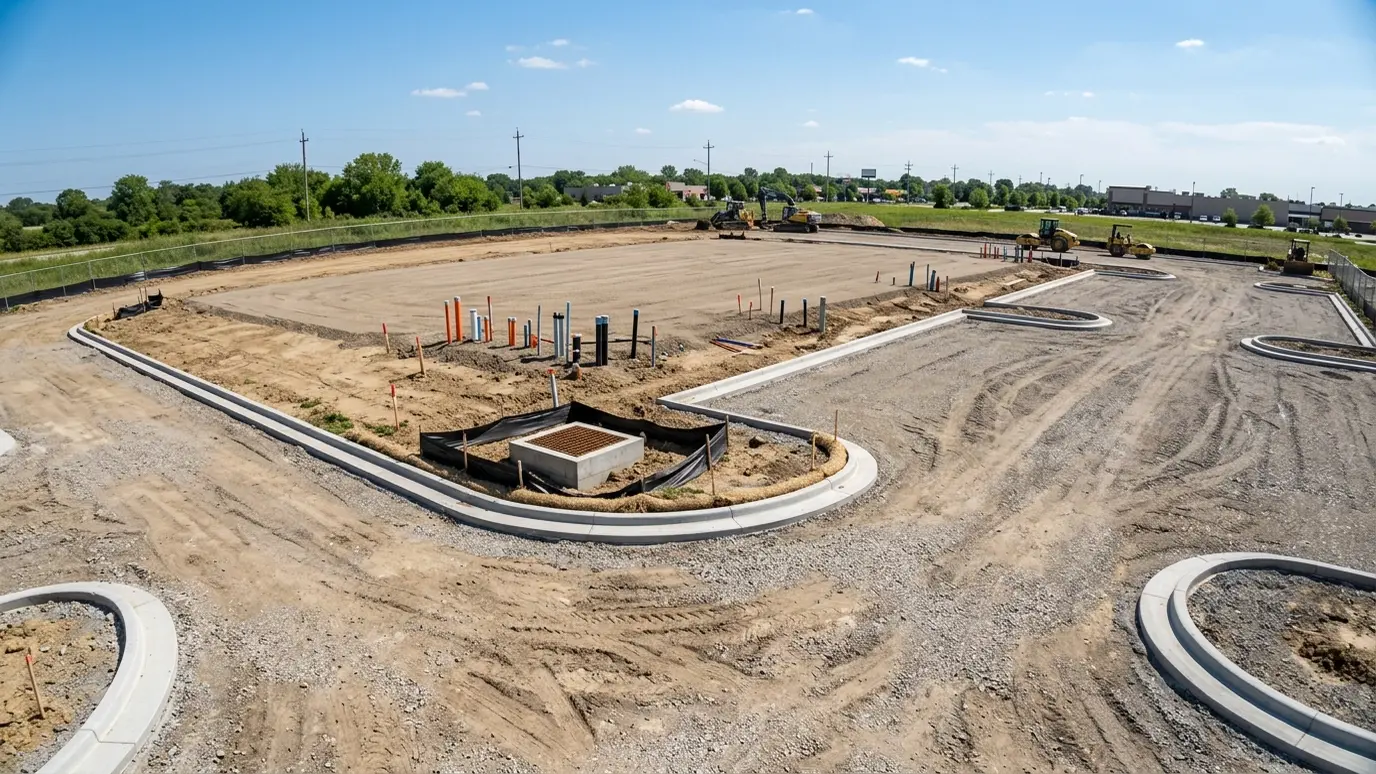 SituationCommercial and IndustrialUtilities for stores, offices and industrial sites: fire lines, vaults, sewer, storm, power and conduit, built to the…Learn more
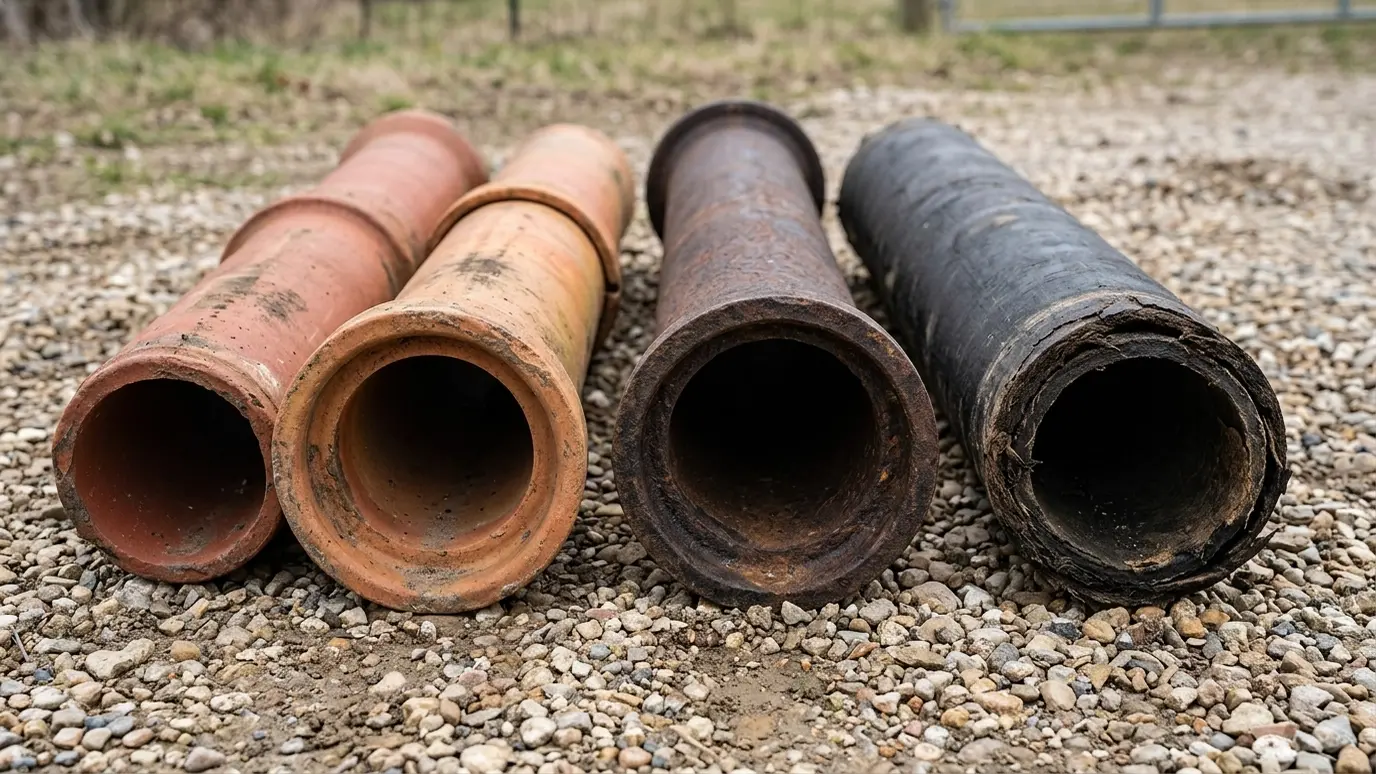 Material guideLegacy PipeWhat older neighborhoods have under the ground, how each old pipe fails and what replacing it involves.Learn more
Enter trench length, width and depth and see cubic yards of soil, truckloads and bedding stone to plan for.
Tell us what you need and send photos or a site plan if you can. We plan the visit so we arrive ready.
We call 811, walk the site, confirm lines and plan the route and depth.
You get a clear written price, and we agree a day and an arrival window.
Trenching or boring to the plan, with safe walls, careful spoil handling and protection for your lawn.
Pipe or conduit laid on a good bed, joints checked, tests and inspections done before cover-up.
Compacted backfill, grading, sod or paving repair and a walk-through with you.
It is usually a bad idea and often not allowed. Moving the line first is the safer choice.
Briefly, during the switchover. We plan the timing and keep it short.
The utility or the local authority, depending on the line. We prepare what they need.
It is cut, capped and recorded or removed, so no one finds it by surprise later.
Usually not without approval. Check your plat and contact the utility.
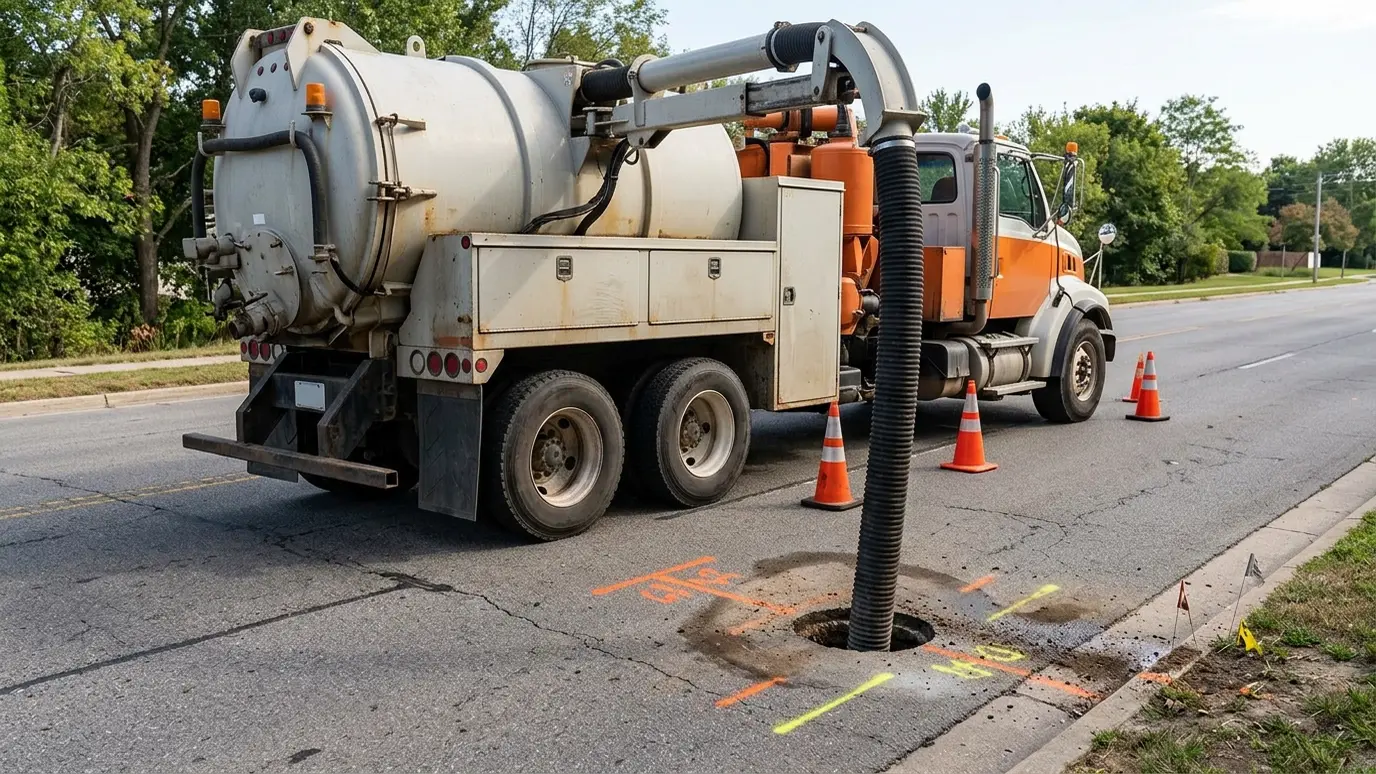 Potholing and Vacuum ExcavationSmall, careful holes dug with air and vacuum to see exactly where buried lines run before the heavy…Explore
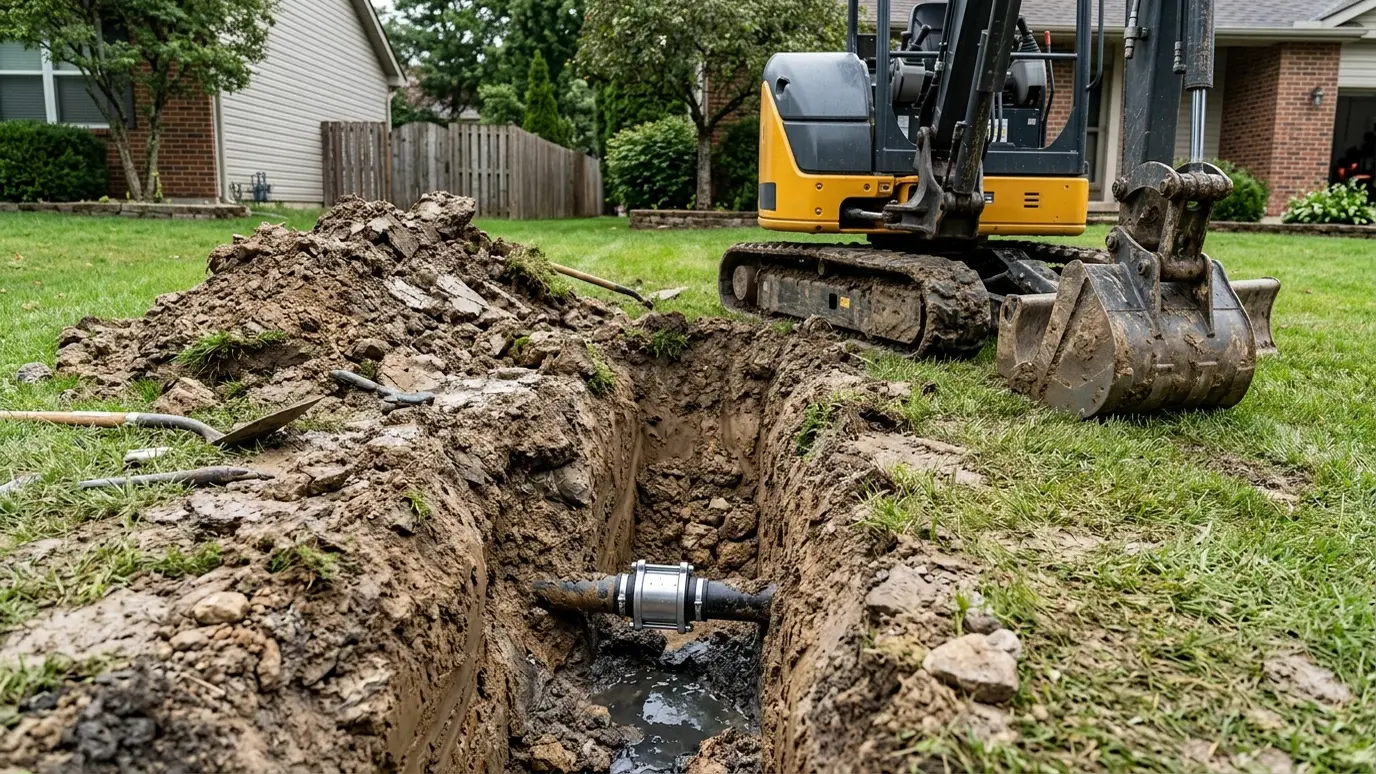 Water Line RepairLeaking, broken or corroded water lines found, exposed and repaired or replaced, with as little damage to your…Explore
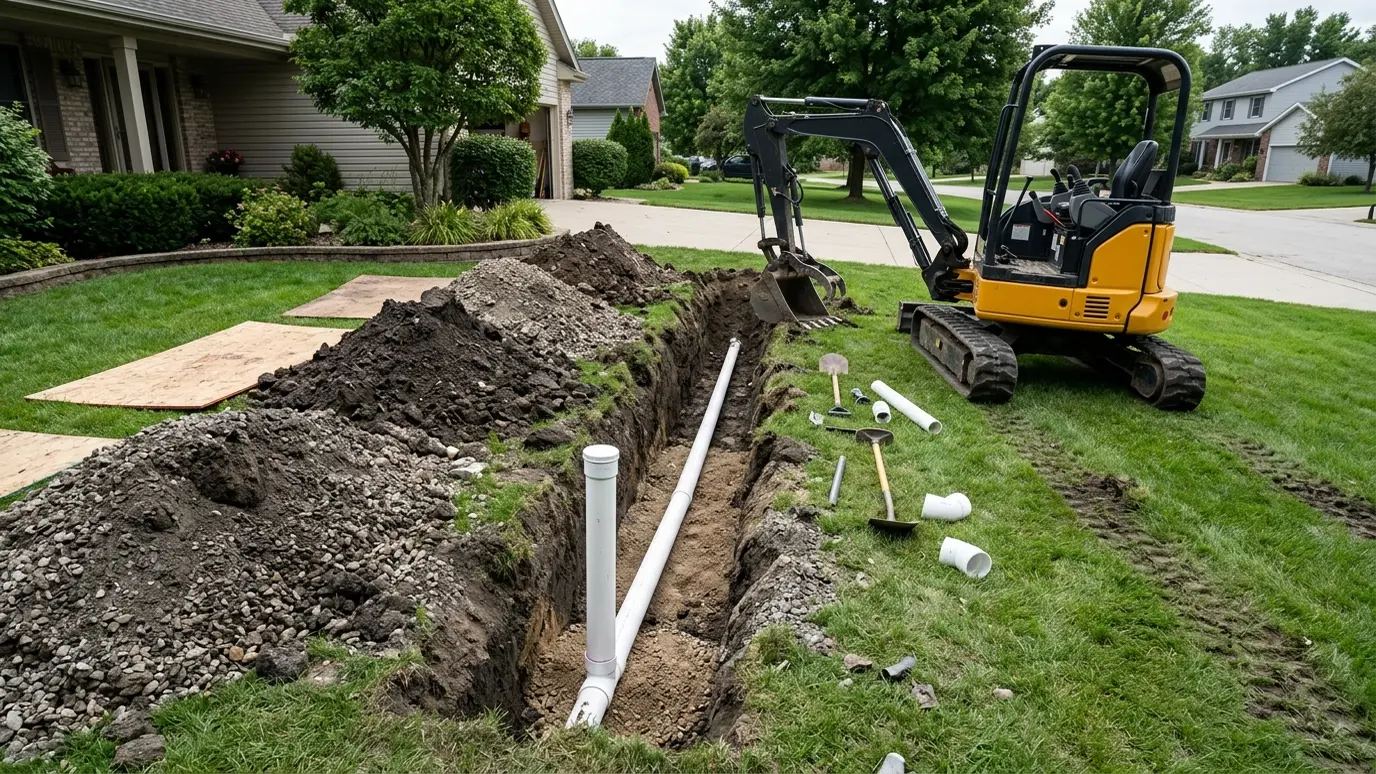 Sewer Lateral RepairThe line between your house and the sewer main, repaired or replaced when roots, collapse or old pipe…Explore
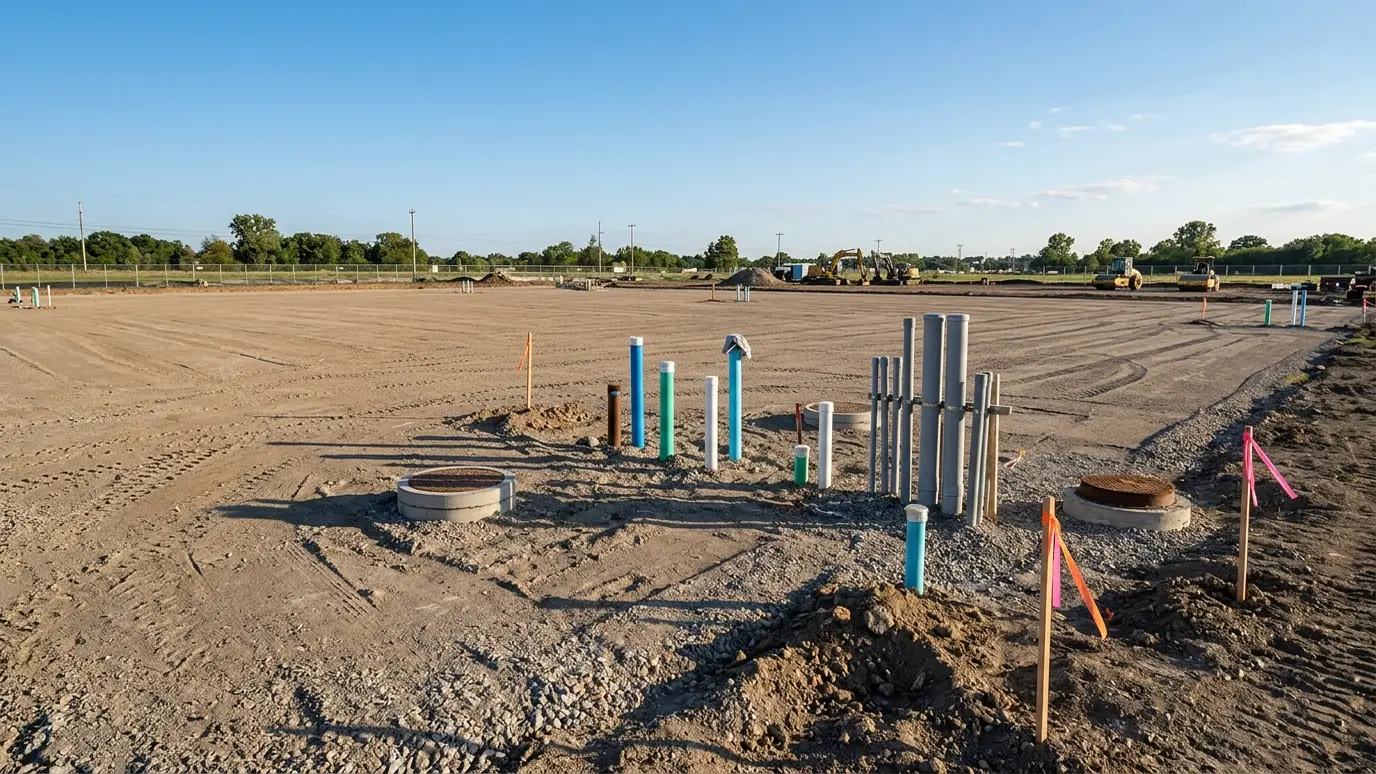 Commercial Site UtilitiesUnderground water, sewer, storm, fire and electrical systems for stores, offices, warehouses and industrial buildings.Explore
Tell us about the job and we will call you back quickly.
Or call (615) 357-7797 to talk now.