Three parties
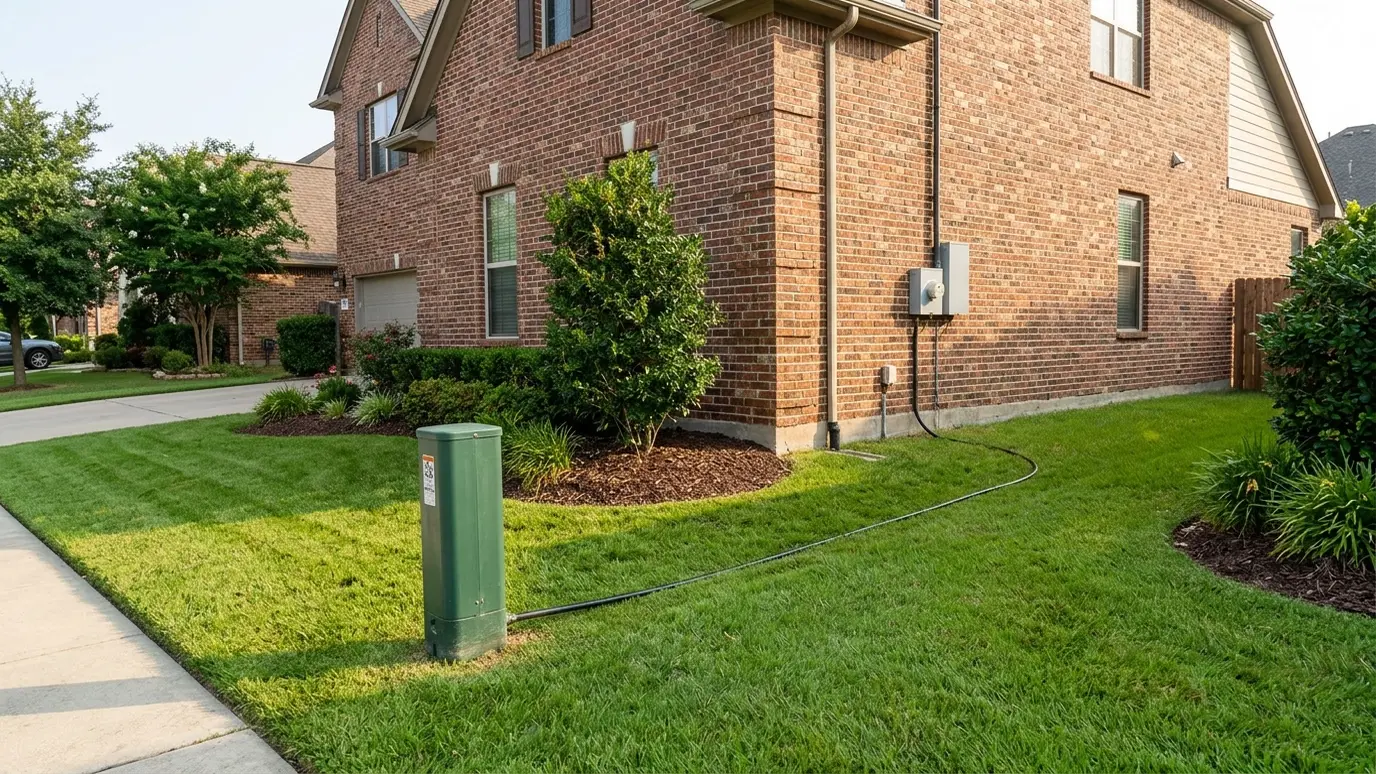
The power utility owns the lines and equipment on its side, your electrician wires and connects the building, and an excavator digs the trench and installs conduit. They have to work in order and to each other specifications.
The route
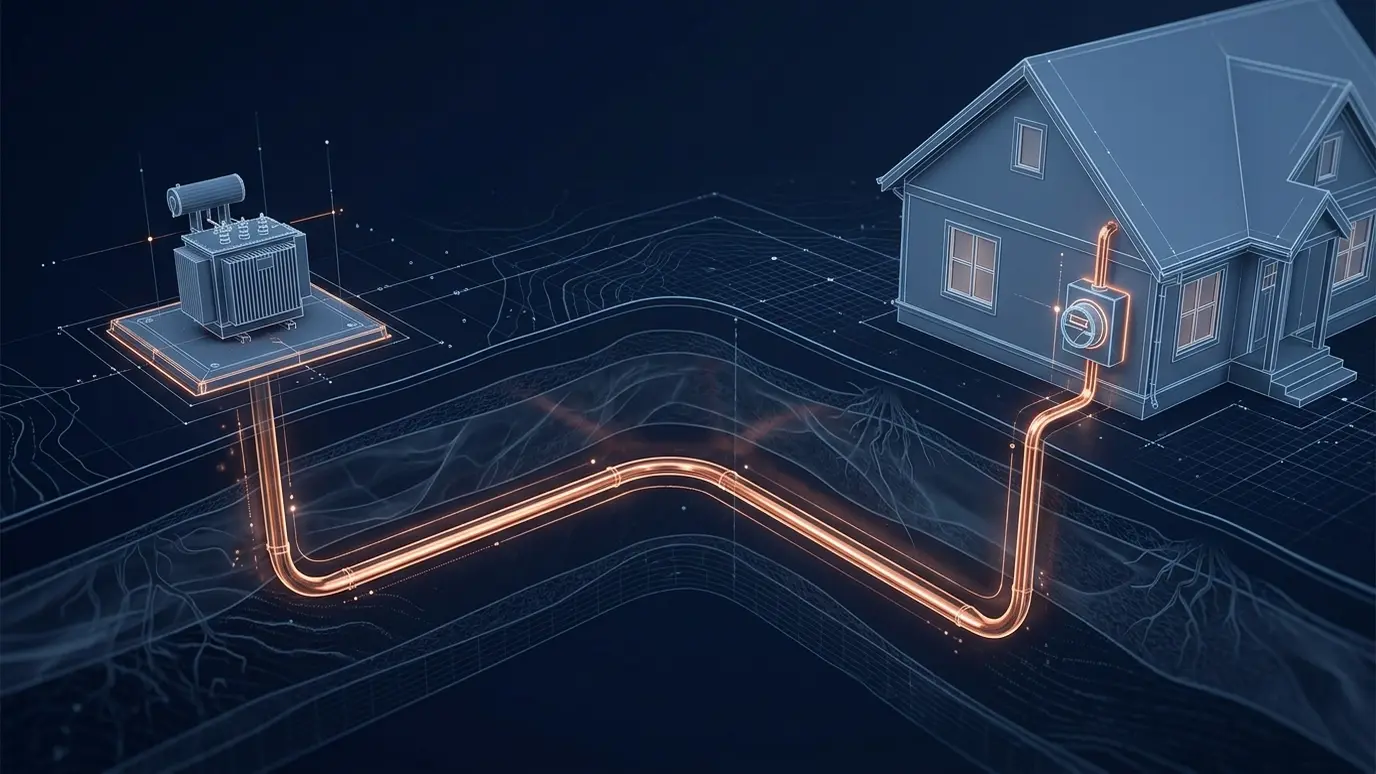
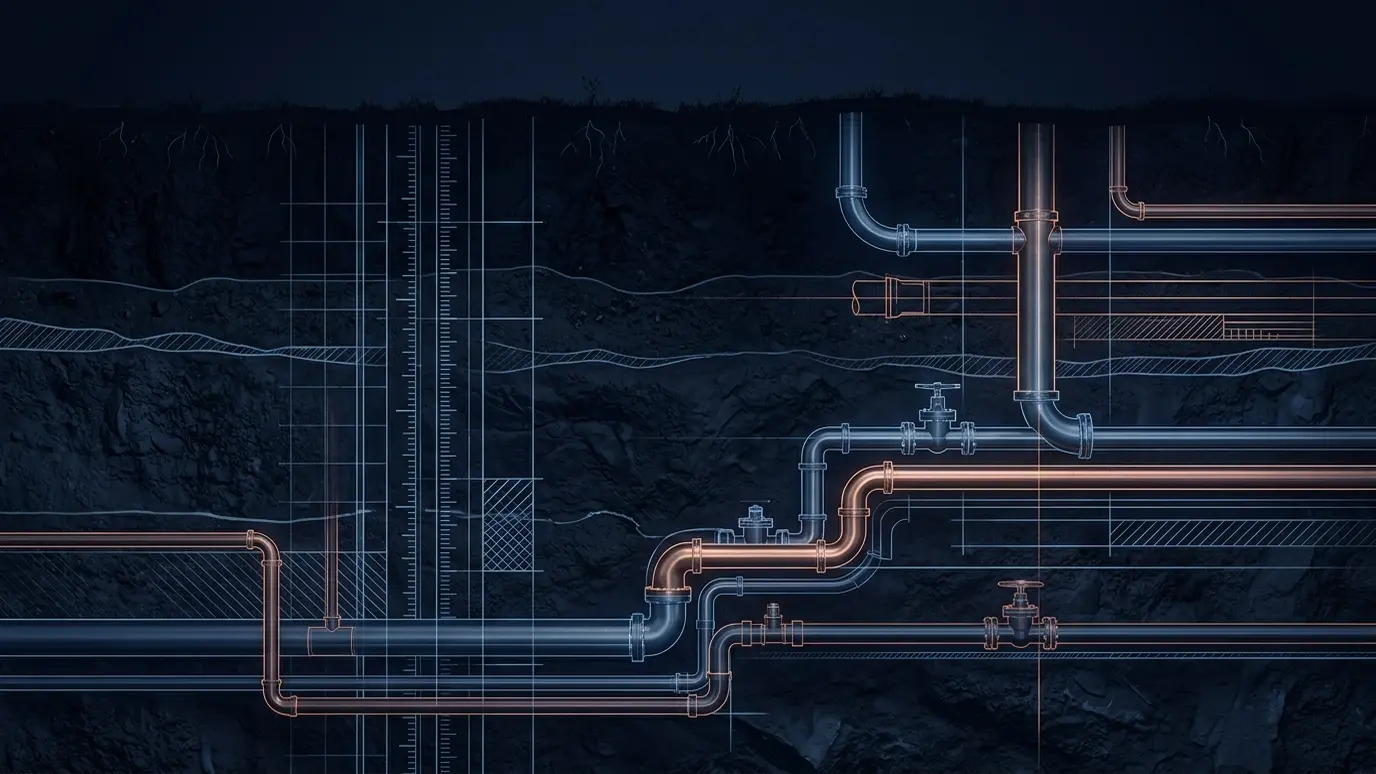
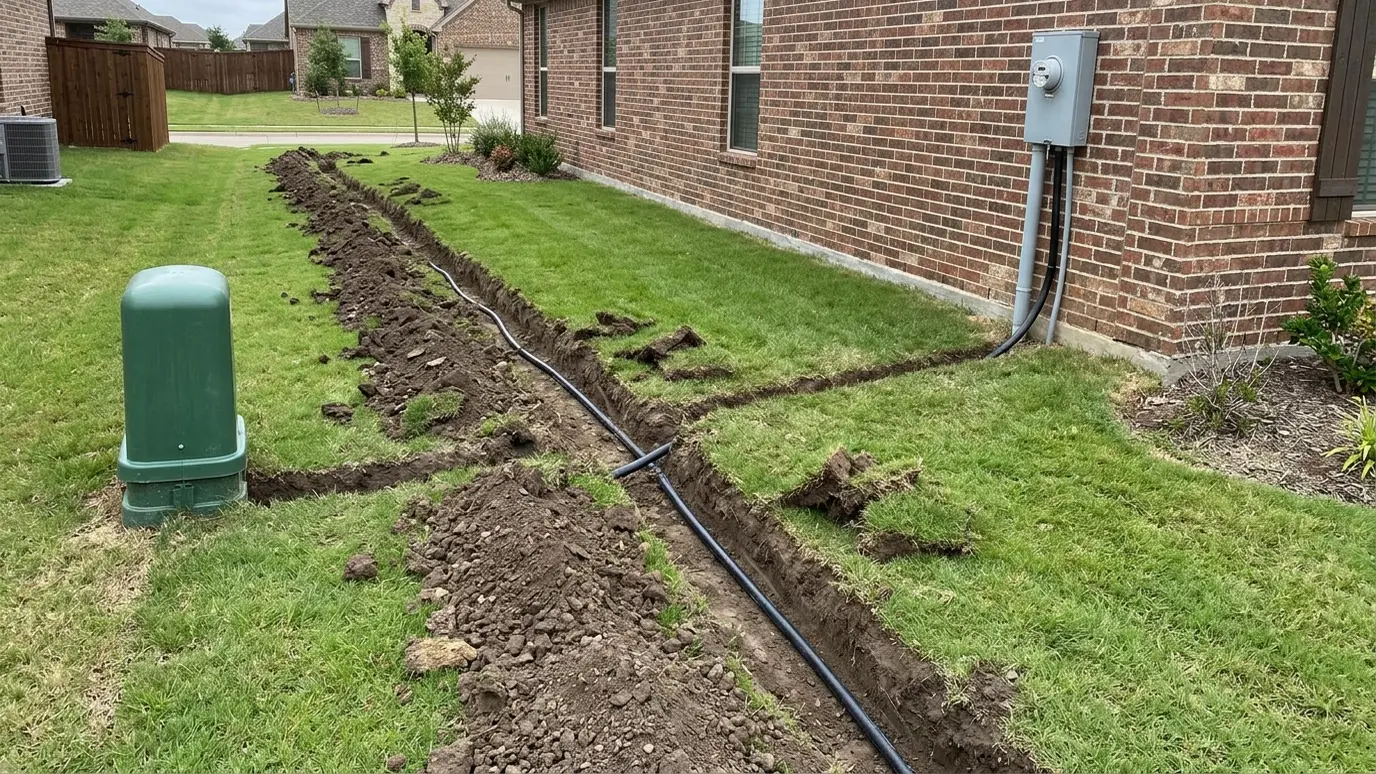
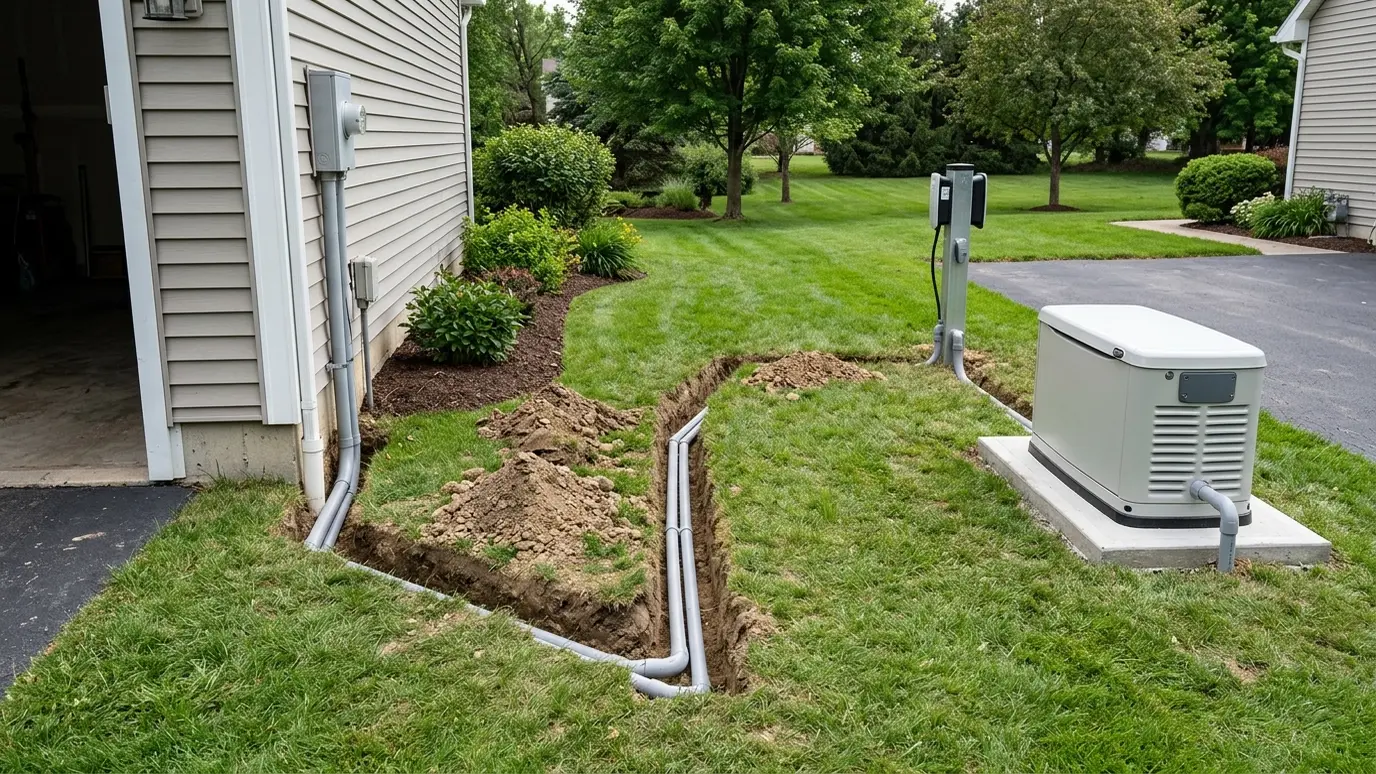
The route goes from the utility connection point, usually a pedestal or transformer, to the meter on the building. It avoids trees, septic fields, drives and other utilities, and it is as straight as practical.
Conduit and depth
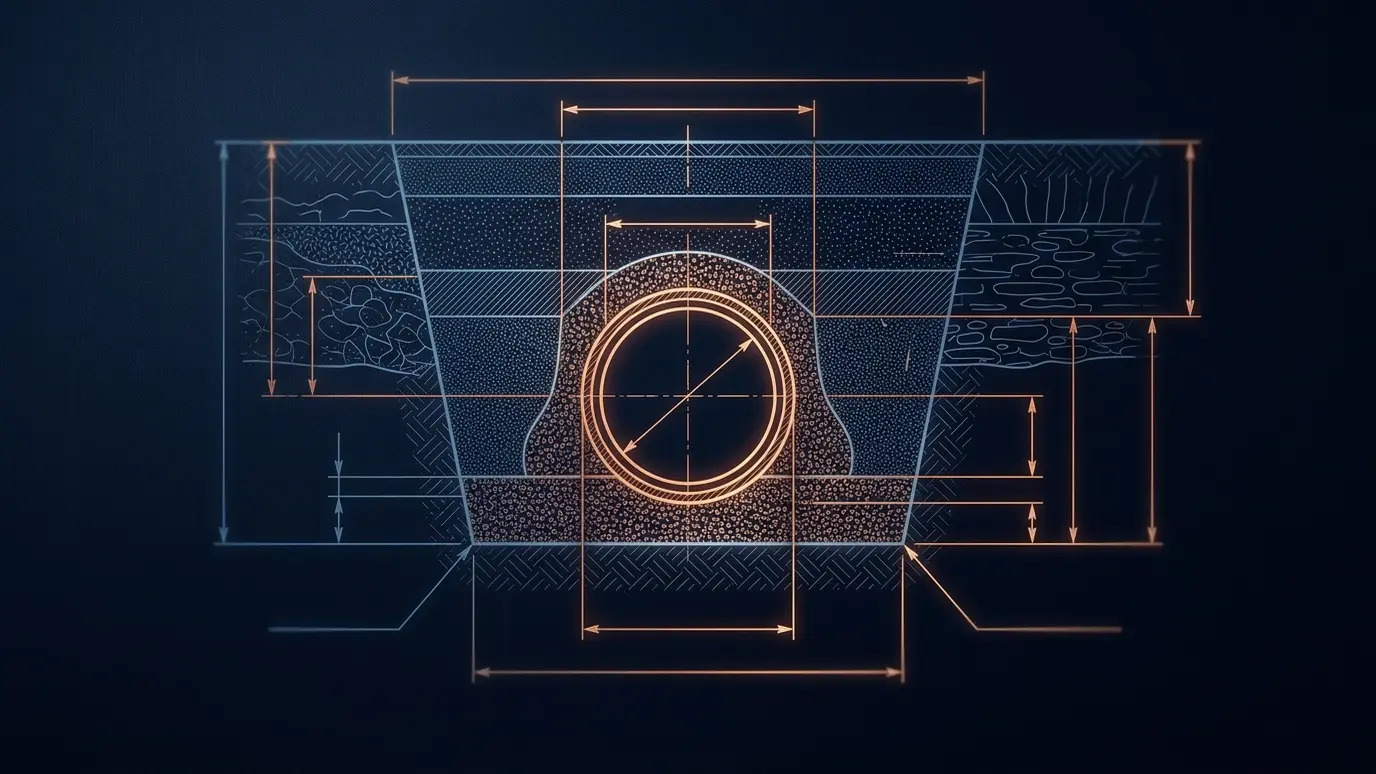
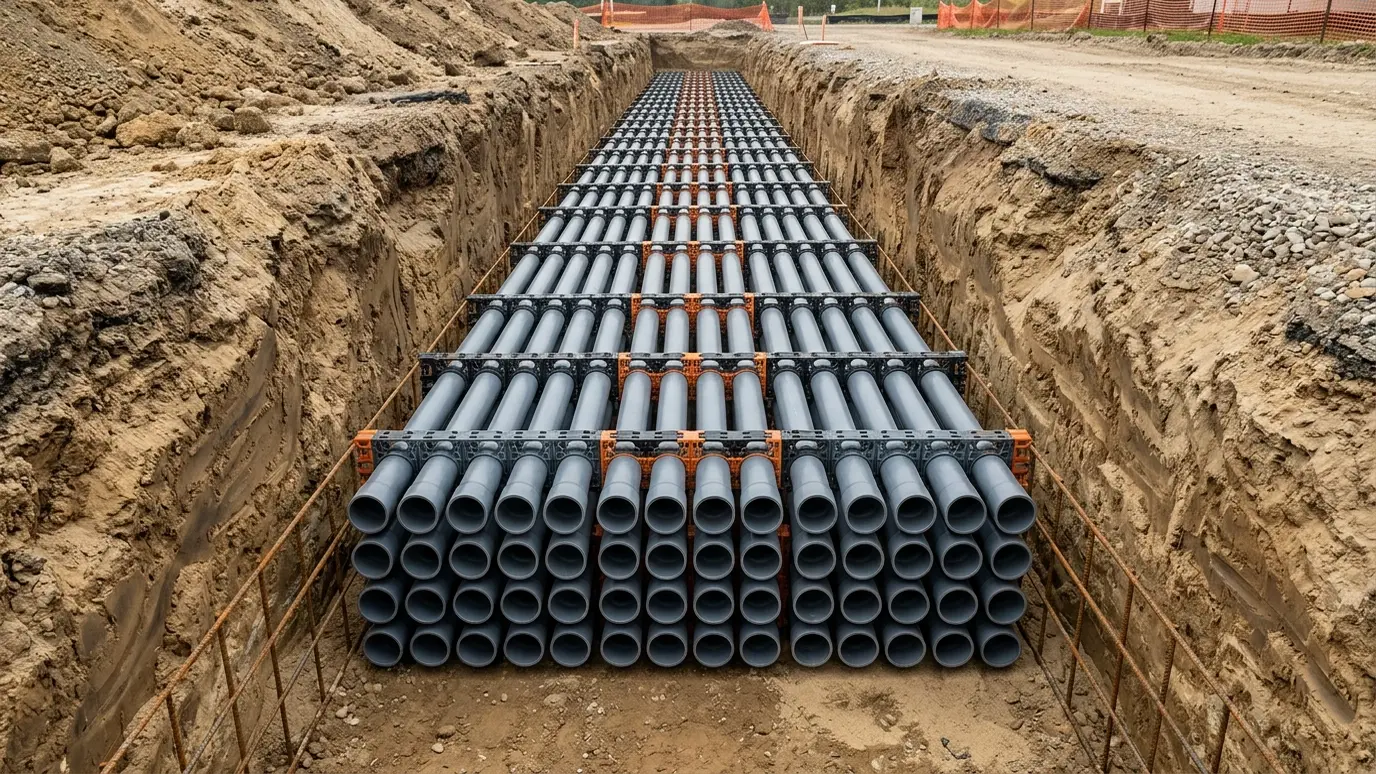
Conduit protects the wire and lets you replace it later. Depth requirements depend on conduit type and what is above it, with deeper cover under drives and roads. The utility and the code set the numbers.
Sweeps and pull boxes
Long runs and bends need gentle sweeps and pull boxes so cable can be pulled without damage. Poor layouts cause expensive problems when the electrician arrives.
Marking and records
Warning tape goes above the conduit, and a record of the route helps future owners. A buried line nobody remembers is a danger to the next digger.
Inspections
The electrical inspector usually looks at the conduit before it is covered. We leave the trench open and schedule the inspection so the work can be covered the same day.
Agree the route, conduit size and stub-up locations with the utility and your electrician before the trench is dug.