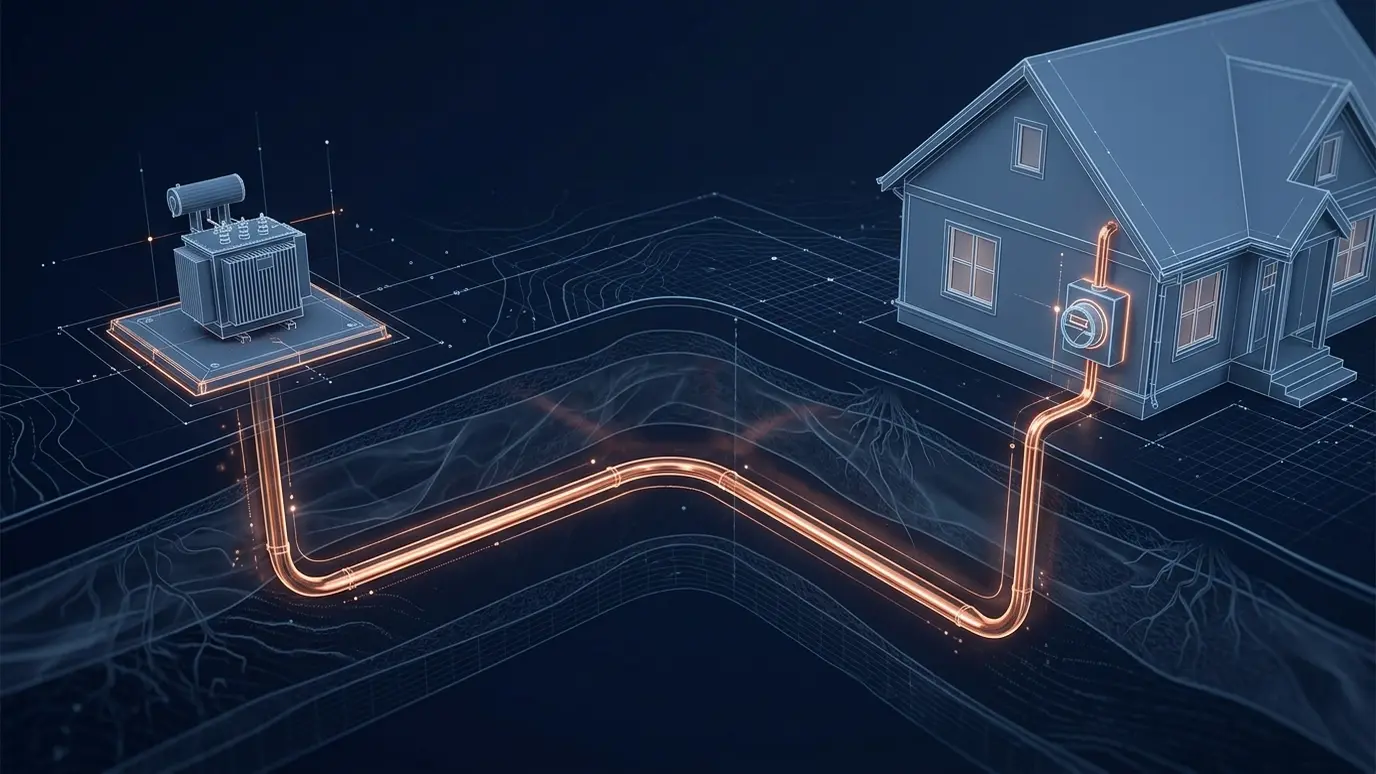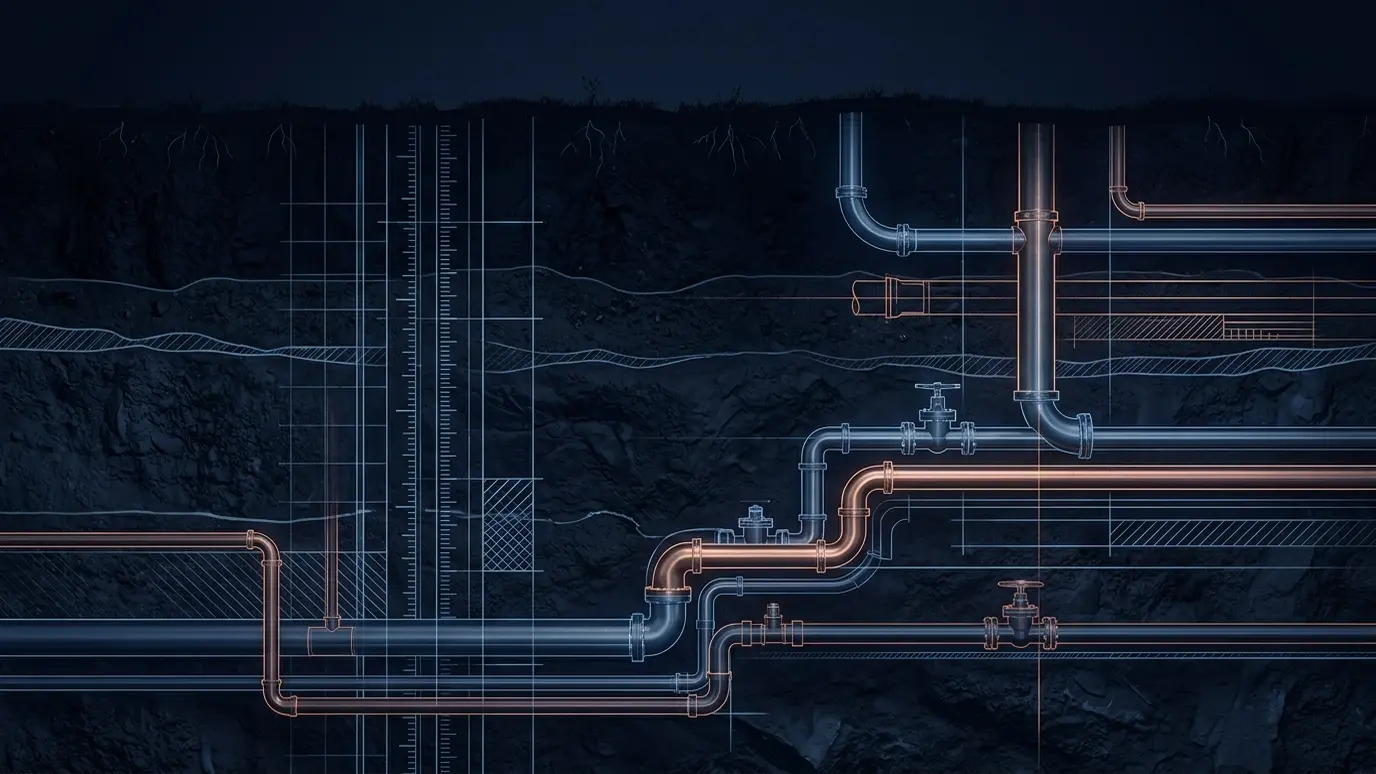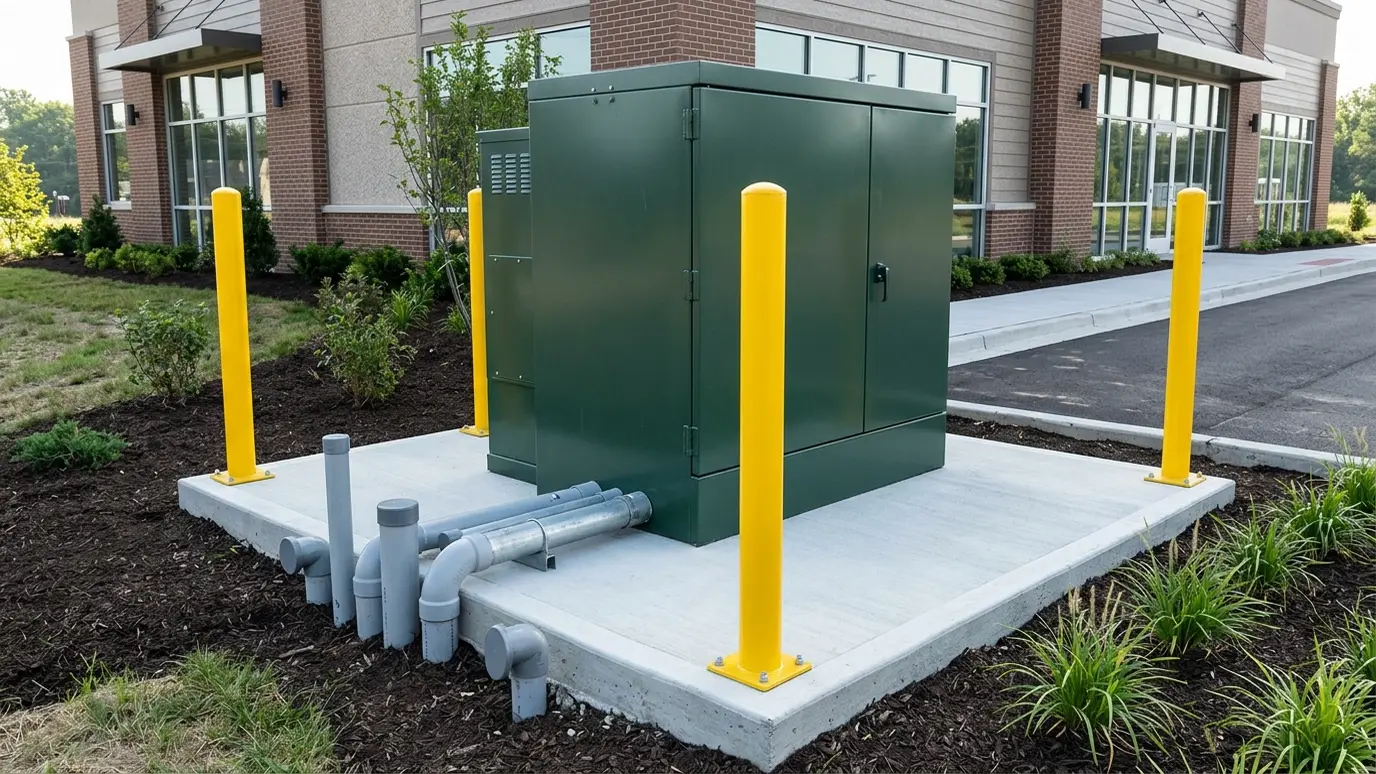
Concrete pads, conduit stubs, bollards and pedestal bases for transformers and service equipment, built to the utility detail.
A padmount transformer is only as stable as the pad under it. These units are heavy and need a flat, level slab with openings in exactly the right places for conduit. Utilities publish detail drawings for those pads, and a pad that does not match will be rejected.
We excavate, set forms and rebar, stub conduit through the pad openings, place concrete and finish the surface to the utility detail. Pedestals for service equipment get a stable base and conduit stub. Bollards, gravel aprons and clearances are included so the equipment is protected and reachable.
The utility specifies pad size, thickness, opening sizes and placement of conduit. We build to the drawing and check dimensions before the concrete arrives.
A tilted or settling pad stresses the equipment and the cable connections. A compacted stone base and careful finishing keep it flat for years.
Equipment needs working space in front and protection from vehicles. We place bollards and keep landscaping and structures out of the clearance zones.
Utility crews need working space around equipment. Shrubs, fences and walls should stay out of the clearance zone, and we leave the area ready for the utility to inspect.
Drag the handle to compare.
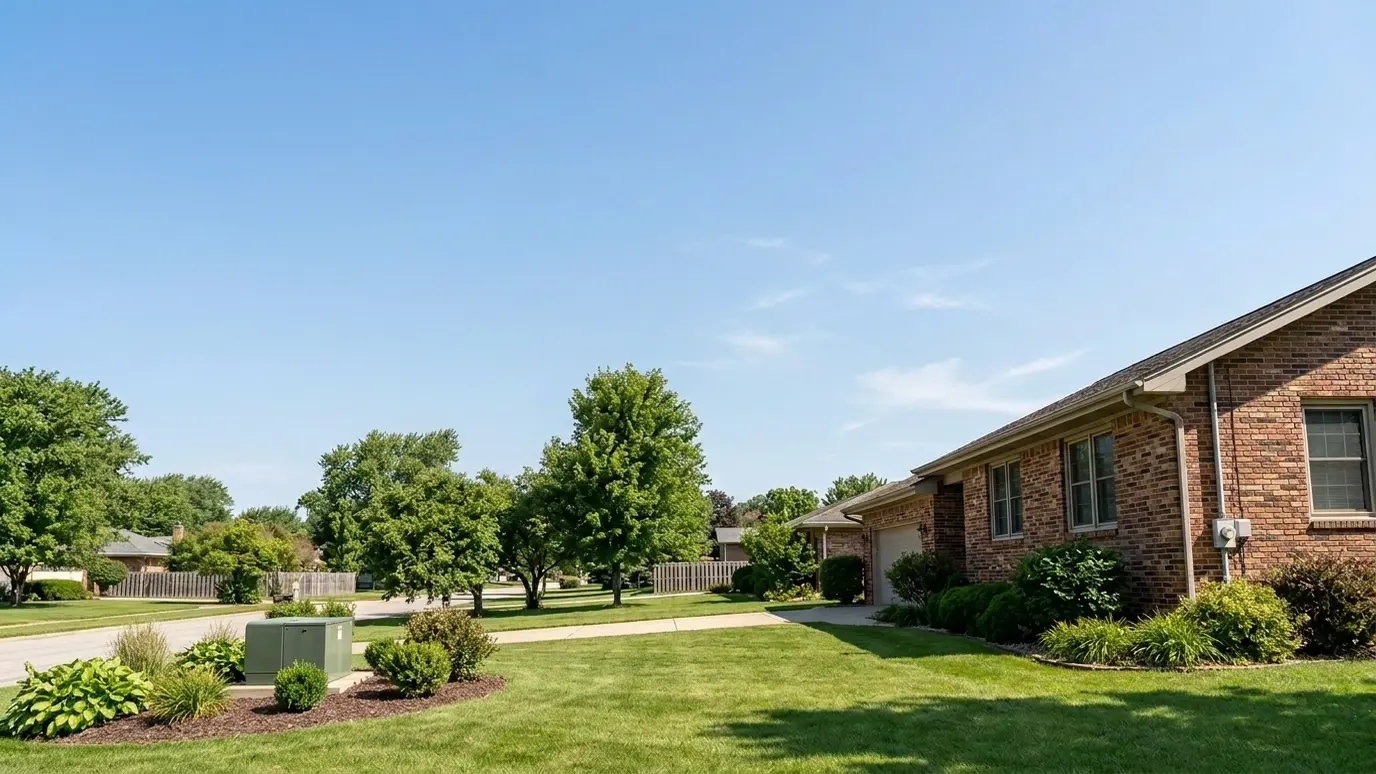
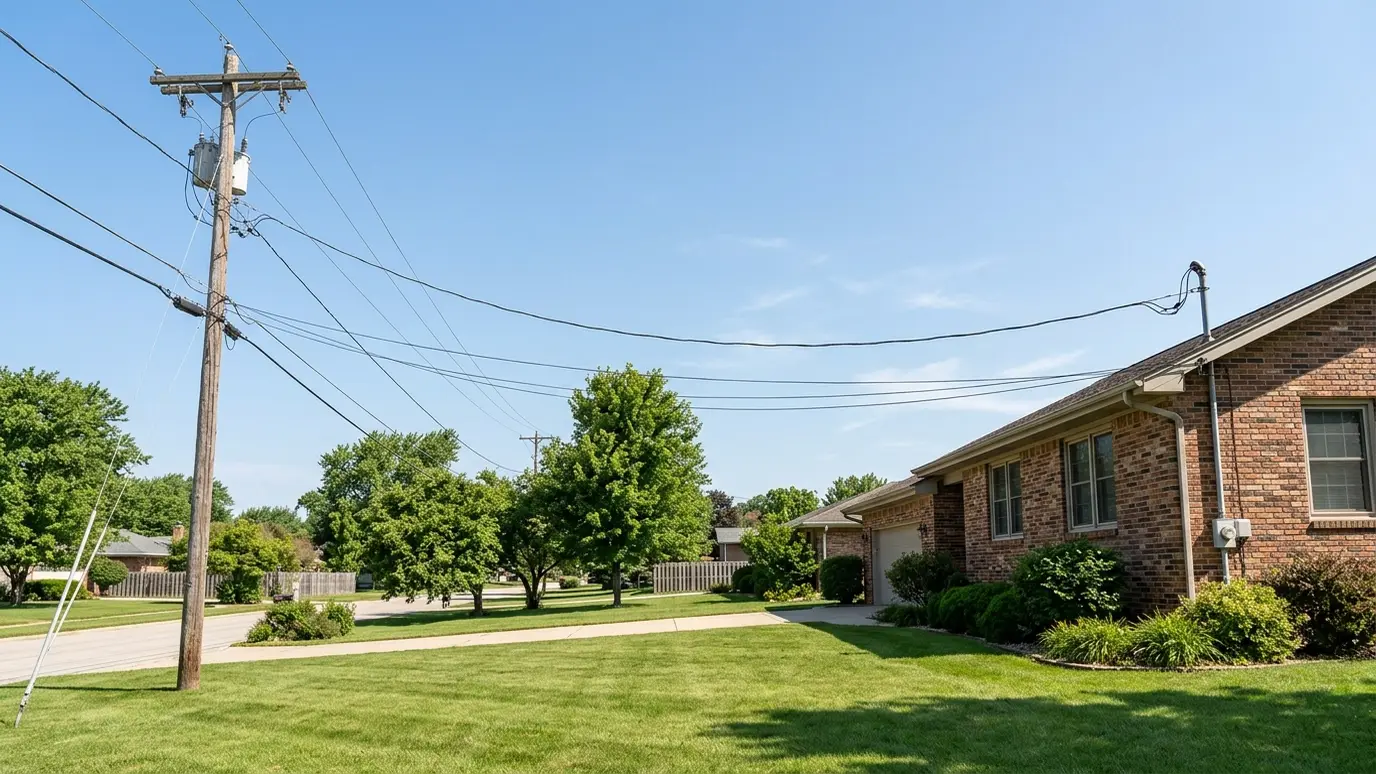 BeforeAfter
Size and openings to the drawing.
Compacted stone under the slab.
Right size and location.
Protection from traffic.
Working space preserved.
Checked before concrete.
Every topic has its own page with what to expect and how we approach it.
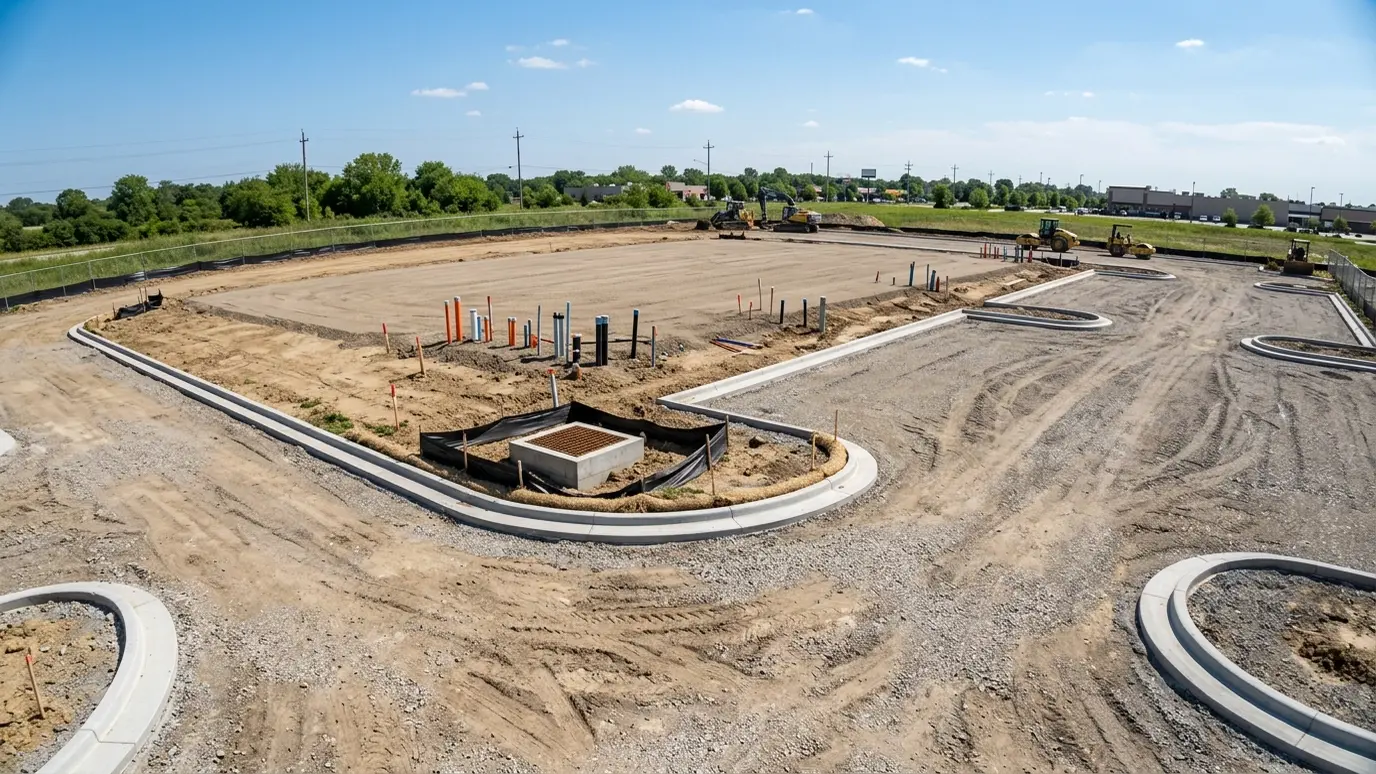 SituationCommercial and IndustrialUtilities for stores, offices and industrial sites: fire lines, vaults, sewer, storm, power and conduit, built to the…Learn more
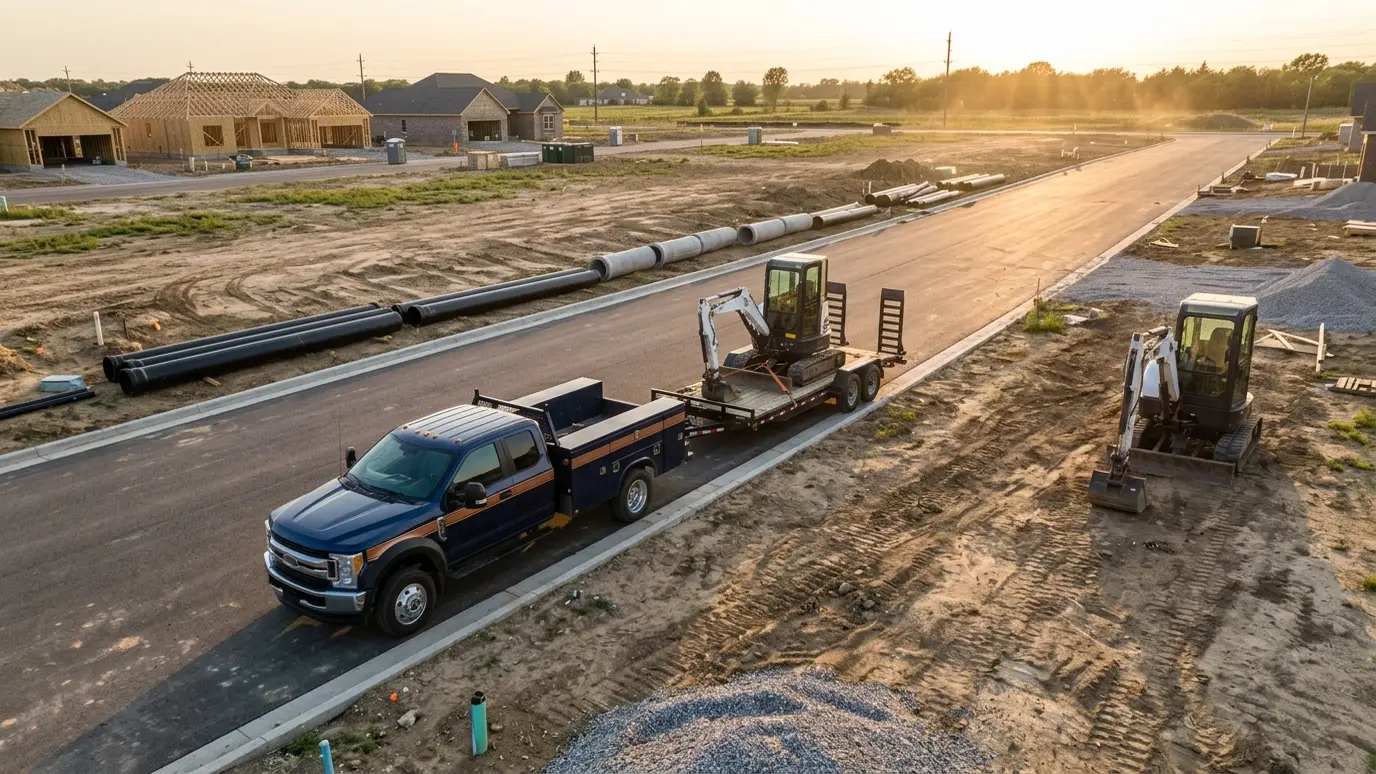 SituationDevelopers and BuildersInfrastructure for subdivisions and multi-lot projects: schedules, sequencing, inspections and clean hand-offs to the next trades.Learn more
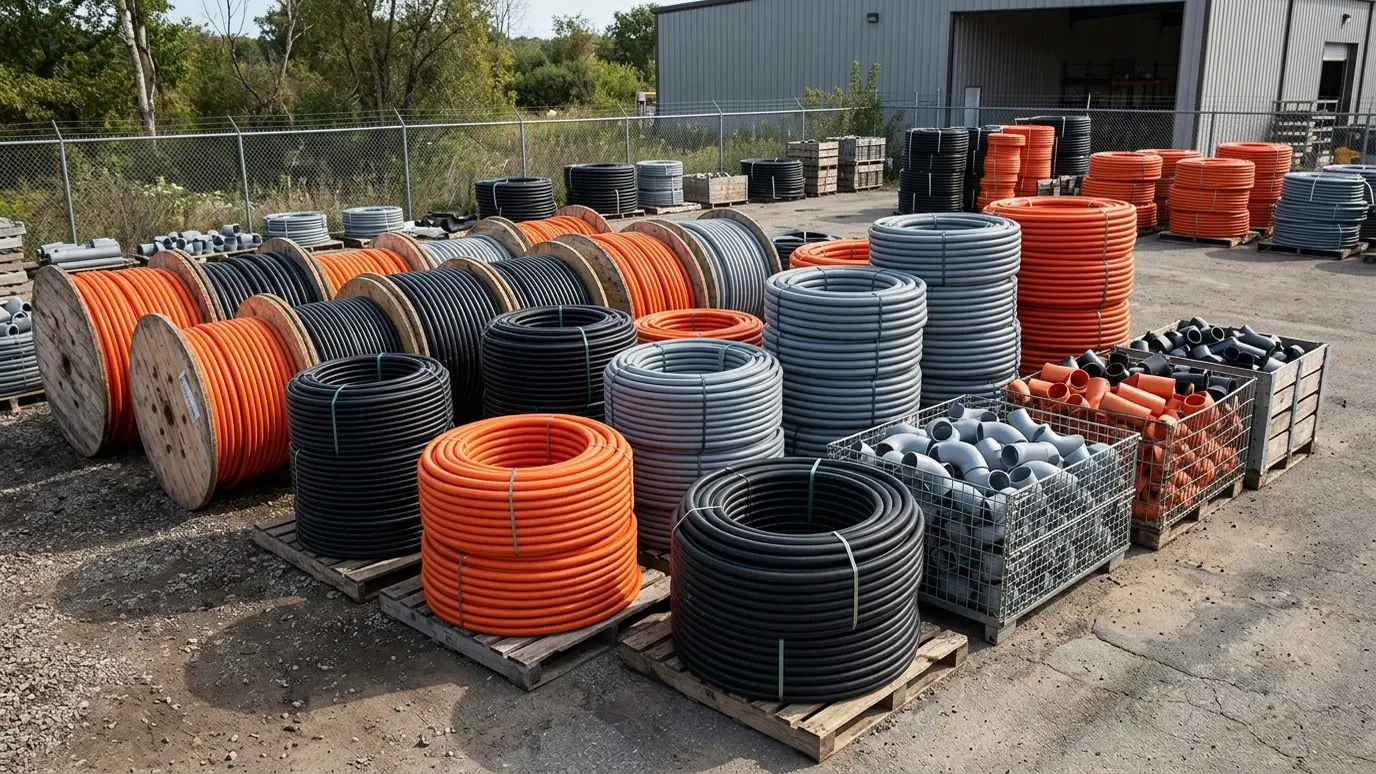 Material guideElectrical ConduitPVC, rigid steel, HDPE and flexible conduit: which kind goes where, how deep it is buried and how…Learn more
Enter trench length, width and depth and see cubic yards of soil, truckloads and bedding stone to plan for.
Tell us what you need and send photos or a site plan if you can. We plan the visit so we arrive ready.
We call 811, walk the site, confirm lines and plan the route and depth.
You get a clear written price, and we agree a day and an arrival window.
Trenching or boring to the plan, with safe walls, careful spoil handling and protection for your lawn.
Pipe or conduit laid on a good bed, joints checked, tests and inspections done before cover-up.
Compacted backfill, grading, sod or paving repair and a walk-through with you.
The utility sets its transformer on the pad we prepare. We coordinate timing so the pad has cured.
Concrete cures over days. We tell you when the utility can set equipment.
Plants are allowed outside the clearance zones the utility requires. We note them when we build.
Yes. We set bases and stub conduit for communication pedestals as well.
Only outside the clearance zone the utility specifies. We note it when the pad is done.
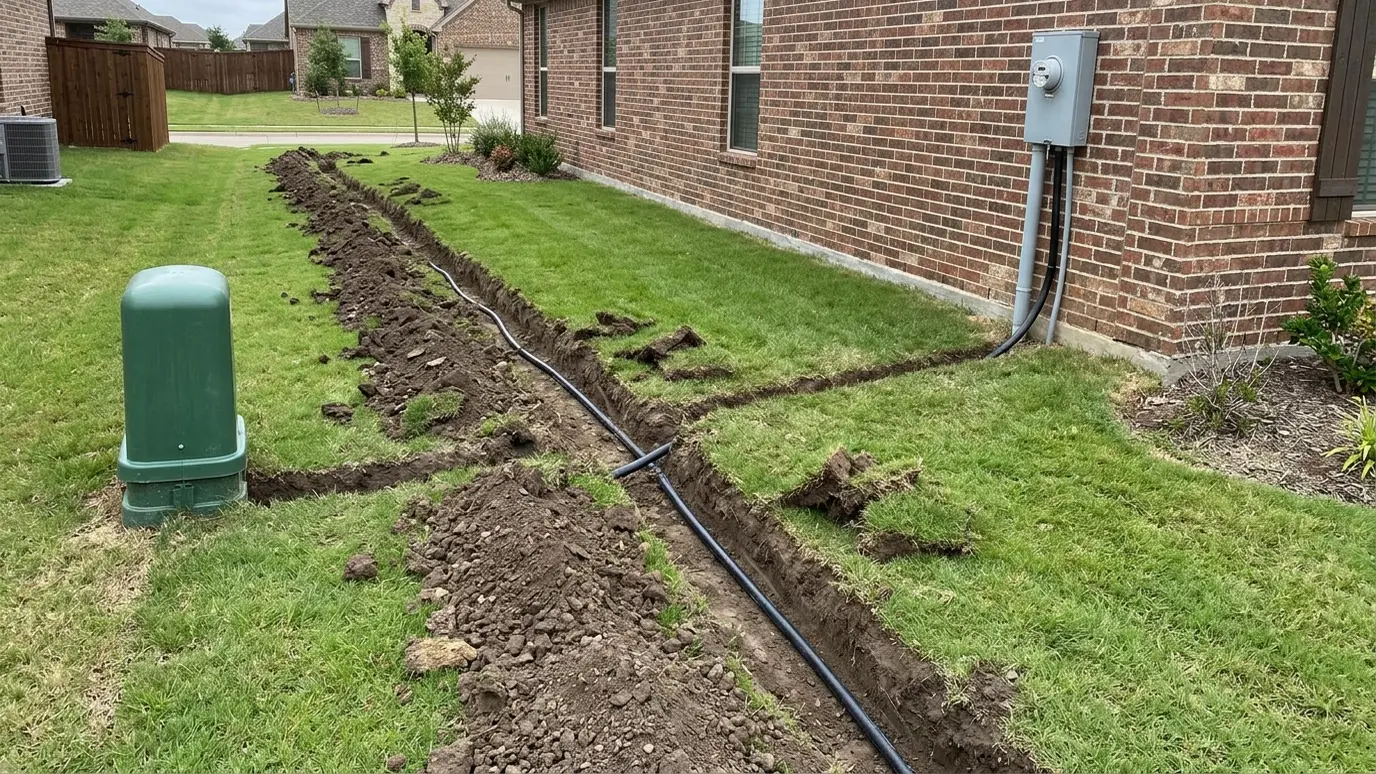 Underground Electrical ServiceTrenching, conduit and pad work for the underground power service that feeds your home, shop or building, ready…Explore
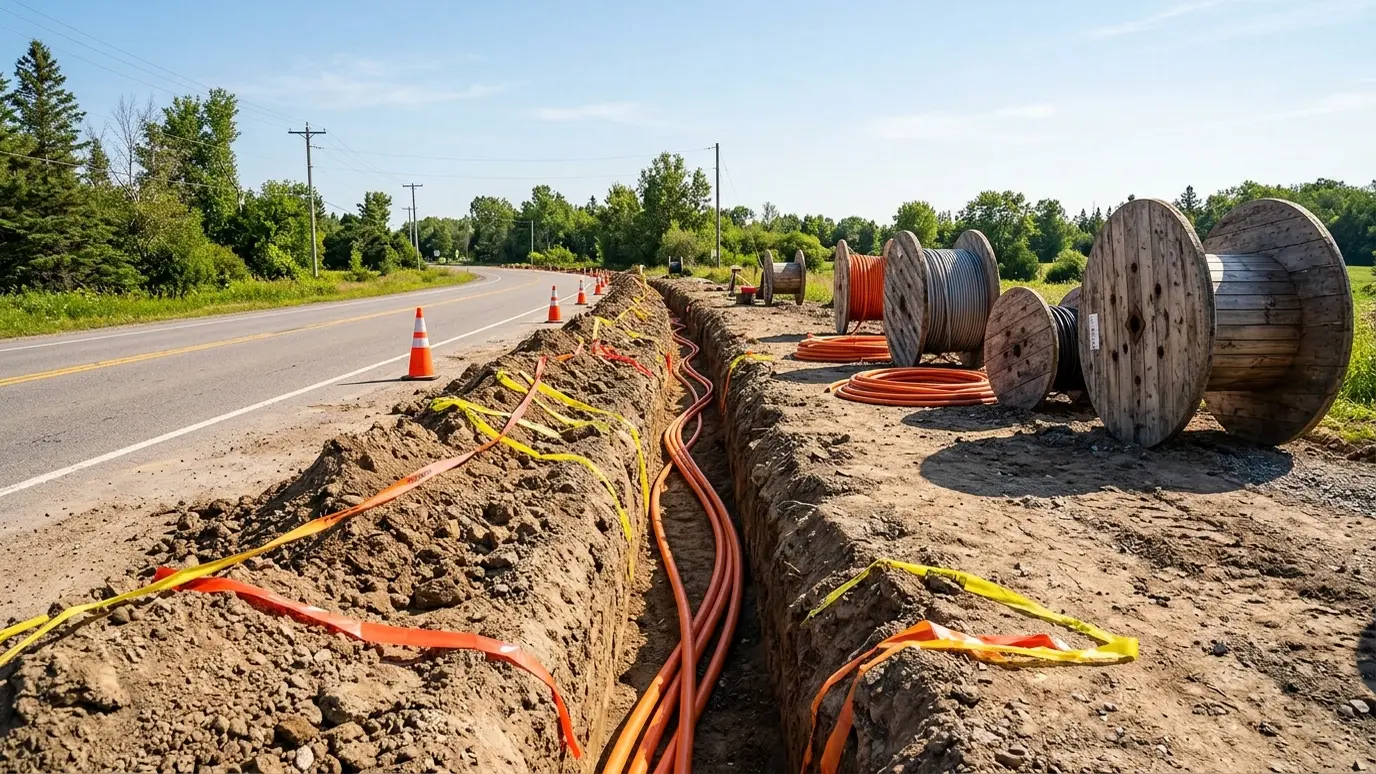 Underground Power LinesPrimary and secondary power lines placed underground in trenches and bores, built to the utility specification.Explore
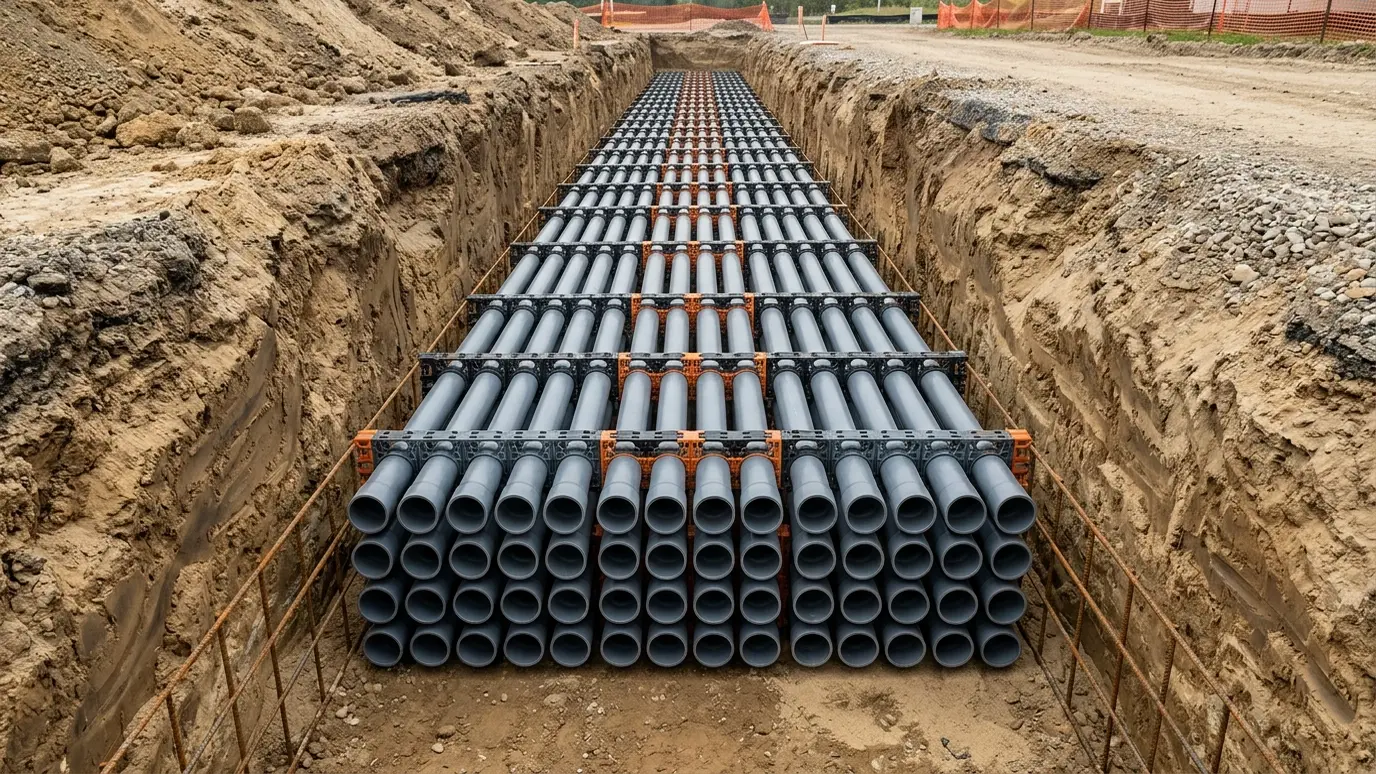 Conduit and Duct BanksSingle conduits and multi-duct banks, spaced, supported and encased so cable can be pulled now and added later.Explore
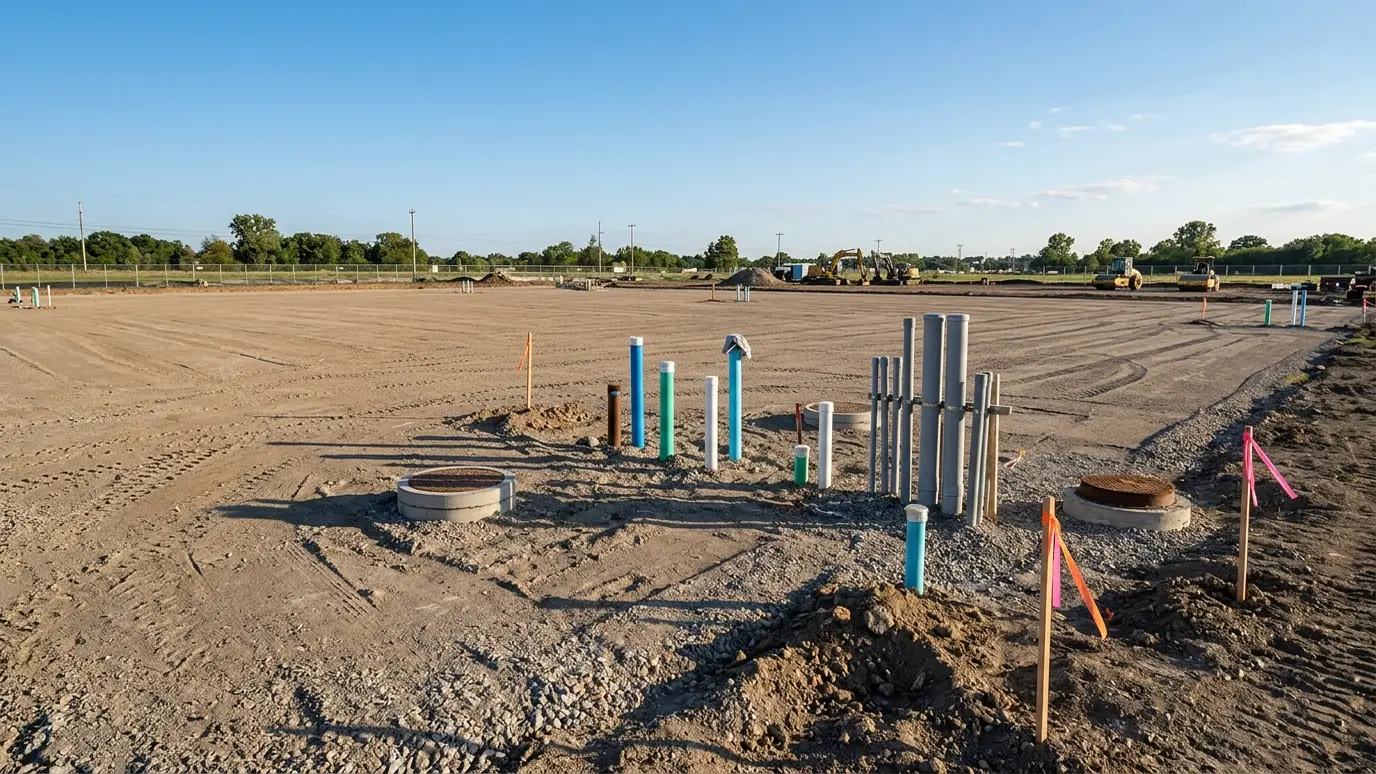 Commercial Site UtilitiesUnderground water, sewer, storm, fire and electrical systems for stores, offices, warehouses and industrial buildings.Explore
Tell us about the job and we will call you back quickly.
Or call (615) 357-7797 to talk now.