The path from the main
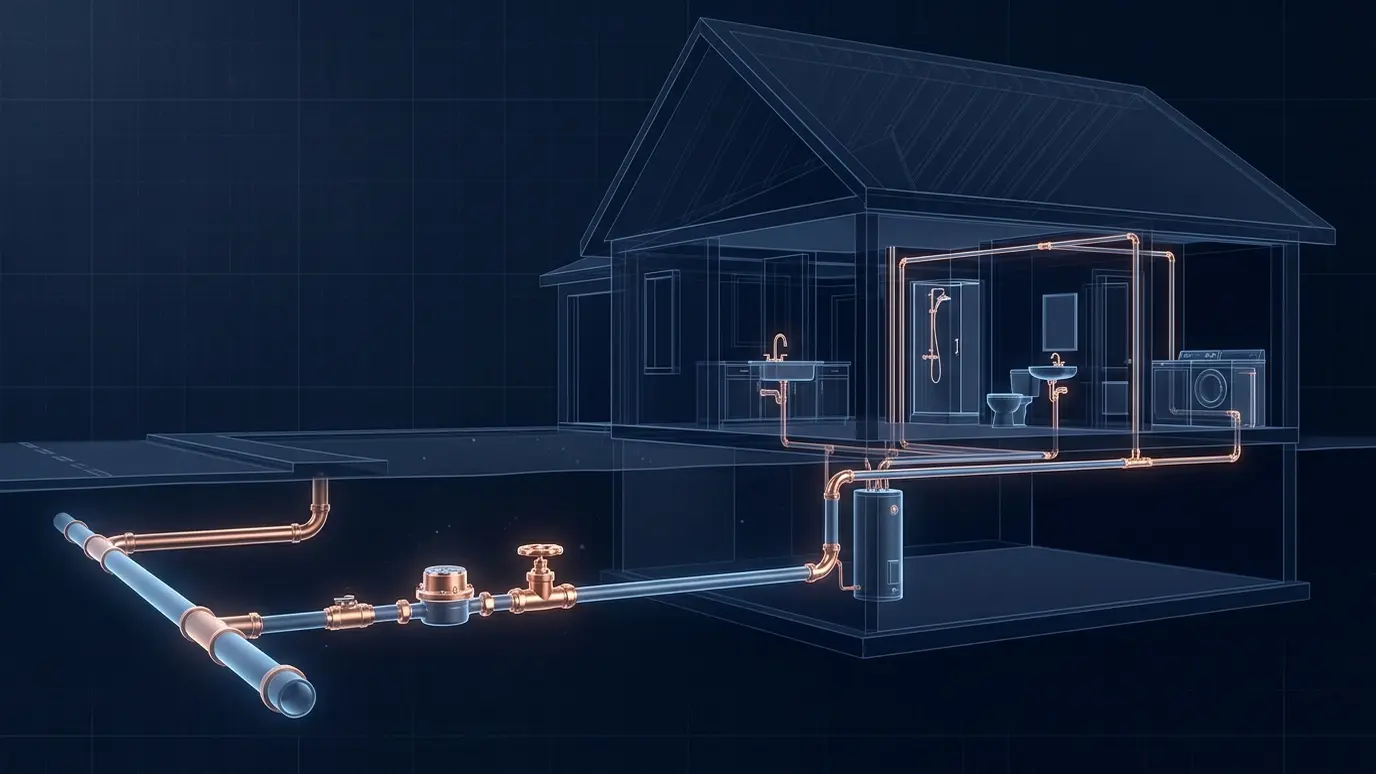
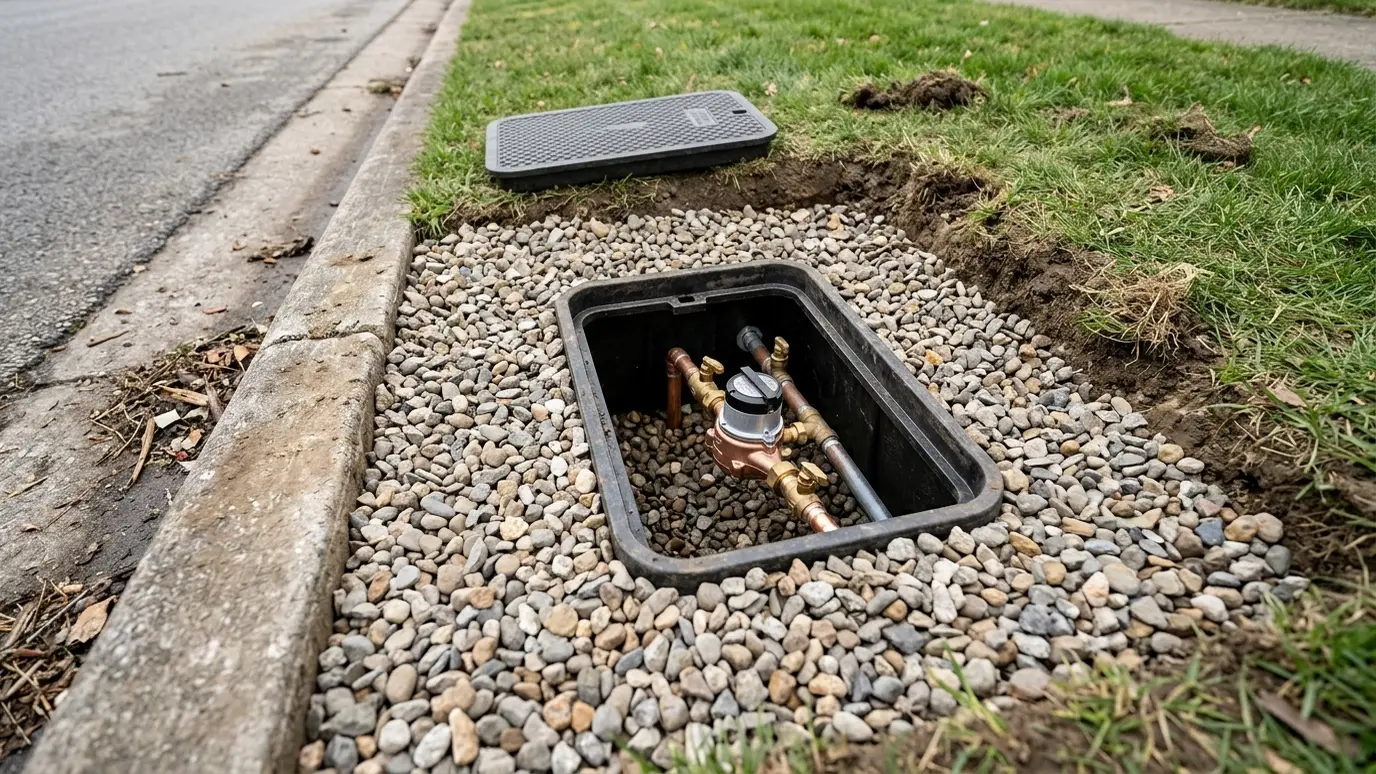
The service line runs from a tap on the main to a curb stop and meter, then on to the house shutoff. The utility usually owns the part up to the meter, and the owner owns the rest. The boundary matters when something leaks.
Size
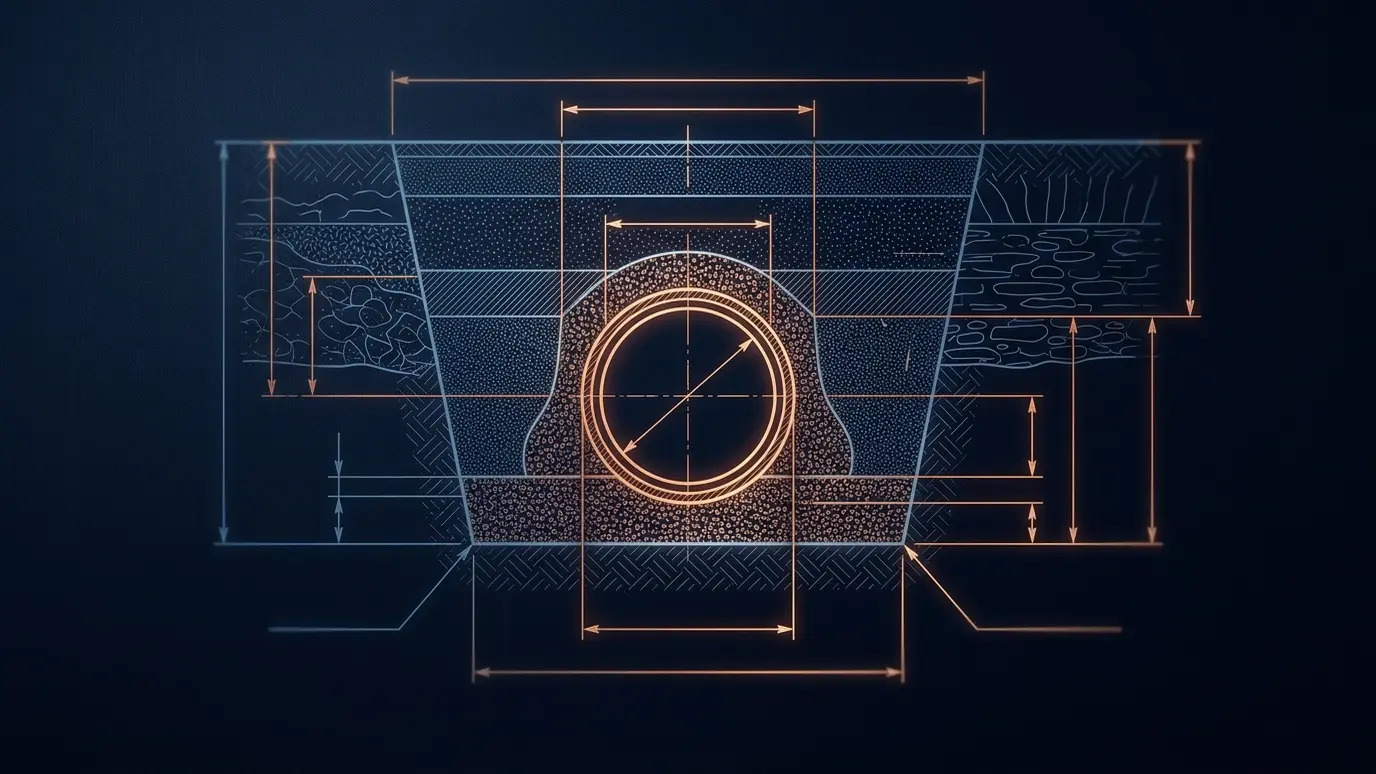
Most houses use a three-quarter inch or one inch line. Larger homes, long runs, irrigation and fire sprinklers may need more. Size depends on the number of fixtures, the pressure at the main and the length of the run.
Materials
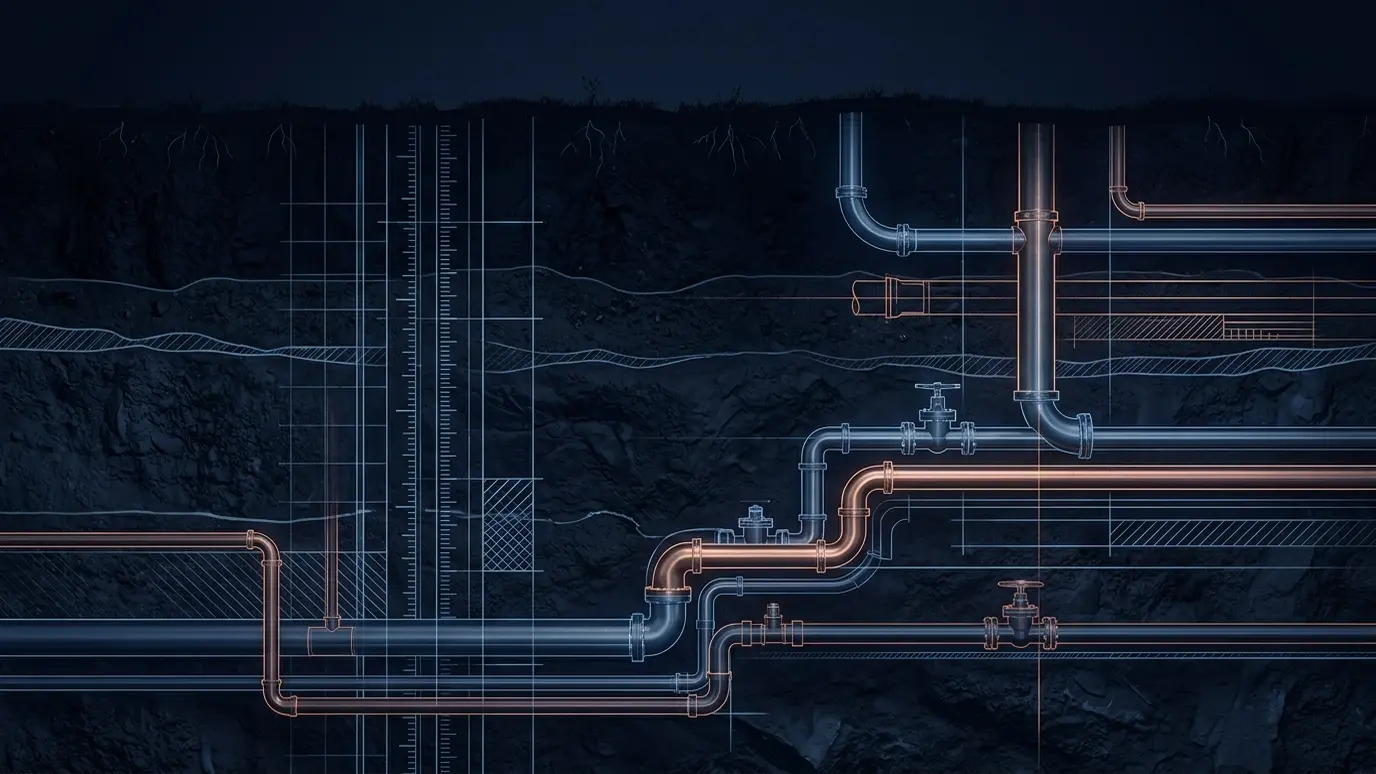
Copper, PEX and polyethylene are all used. Old homes may have galvanized steel or lead, which should be replaced. Local rules and the utility decide what is allowed for new lines.
Shutoffs and meters
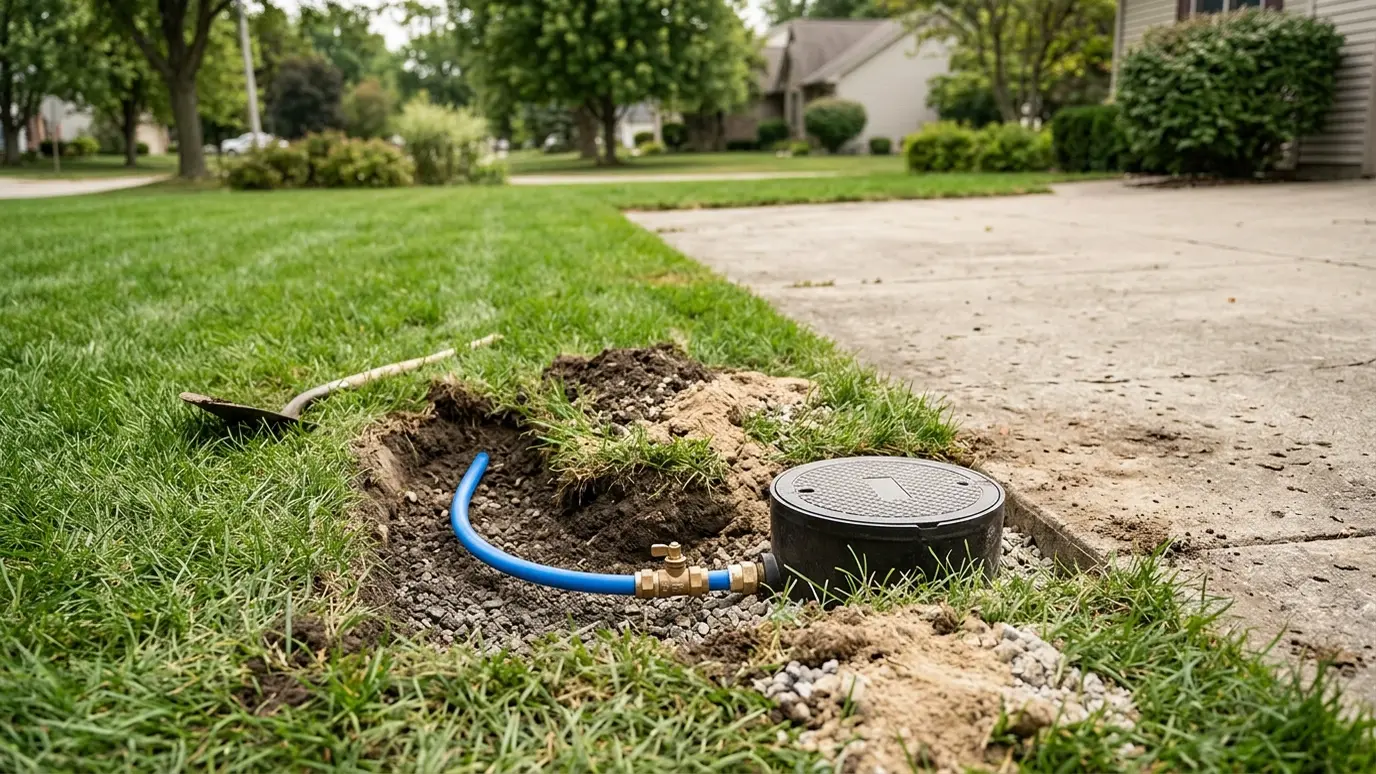
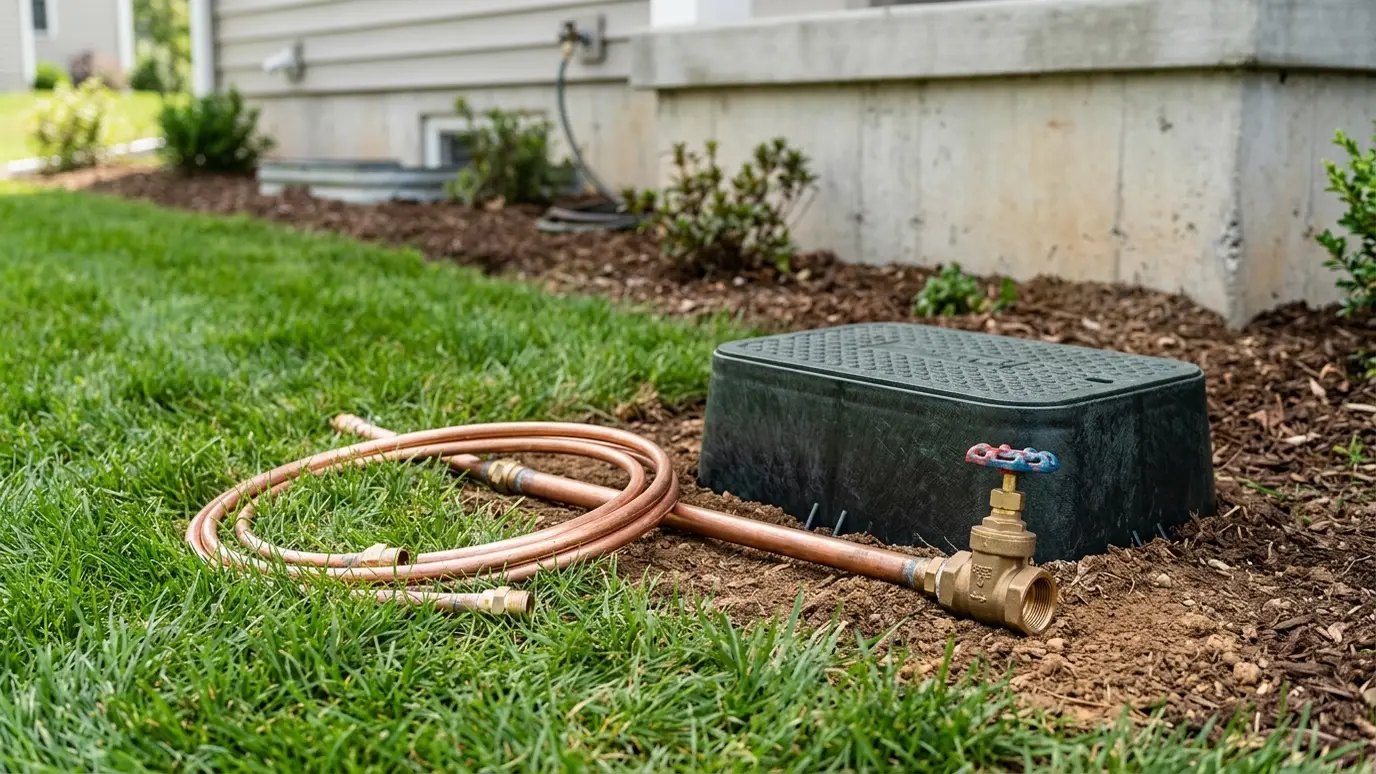
Know where your curb stop and house shutoff are. A shutoff you cannot find or cannot turn is a flood waiting to happen. Test your house shutoff once a year.
Signs of a leak
A running meter with everything off, a wet area in the yard, a spike in the bill or low pressure all point to a leak. A leak between the meter and the house is the owner responsibility.
Replacement choices
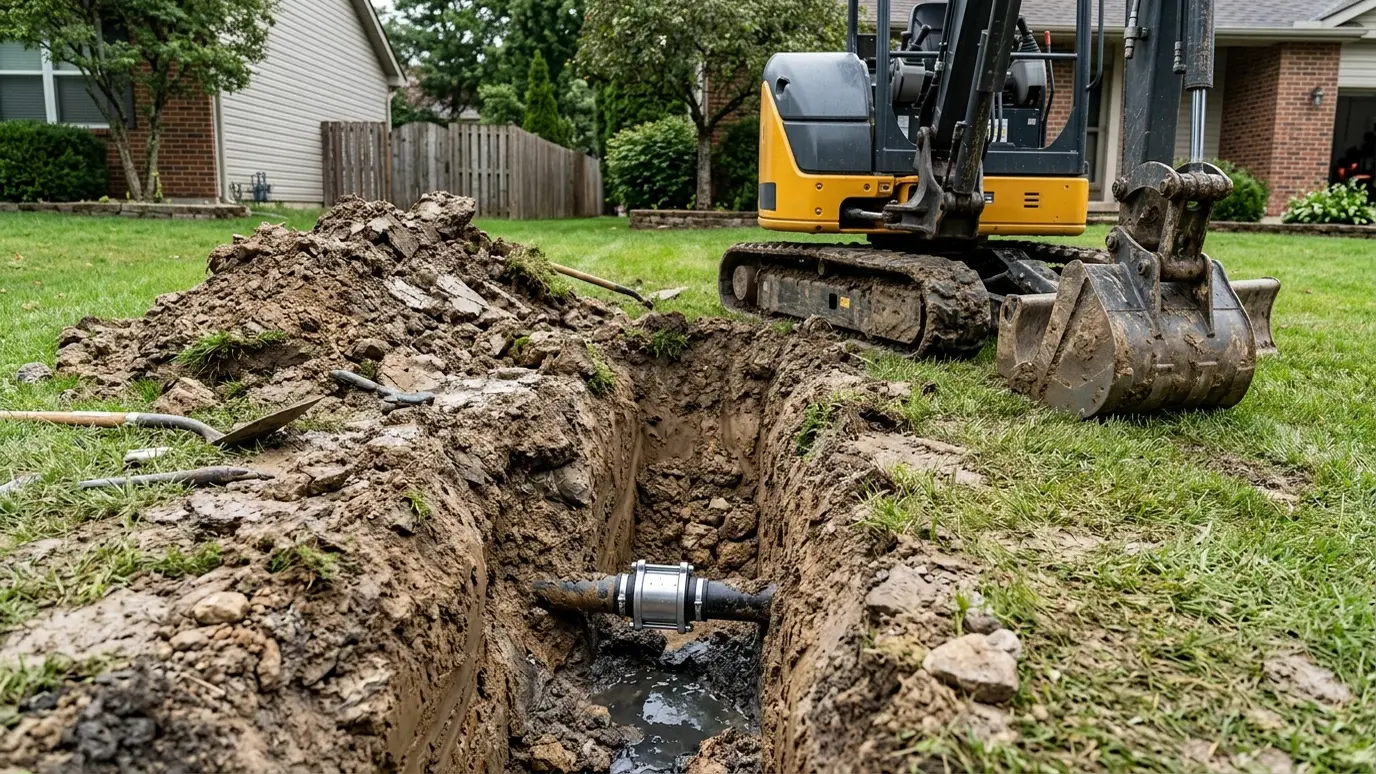
Old lines can be replaced by open trench, boring or pipe bursting. The best choice depends on the length, depth and what lies above. We compare the options with restoration included.
Find your shutoffs, test them yearly and replace lead and galvanized lines when you can.