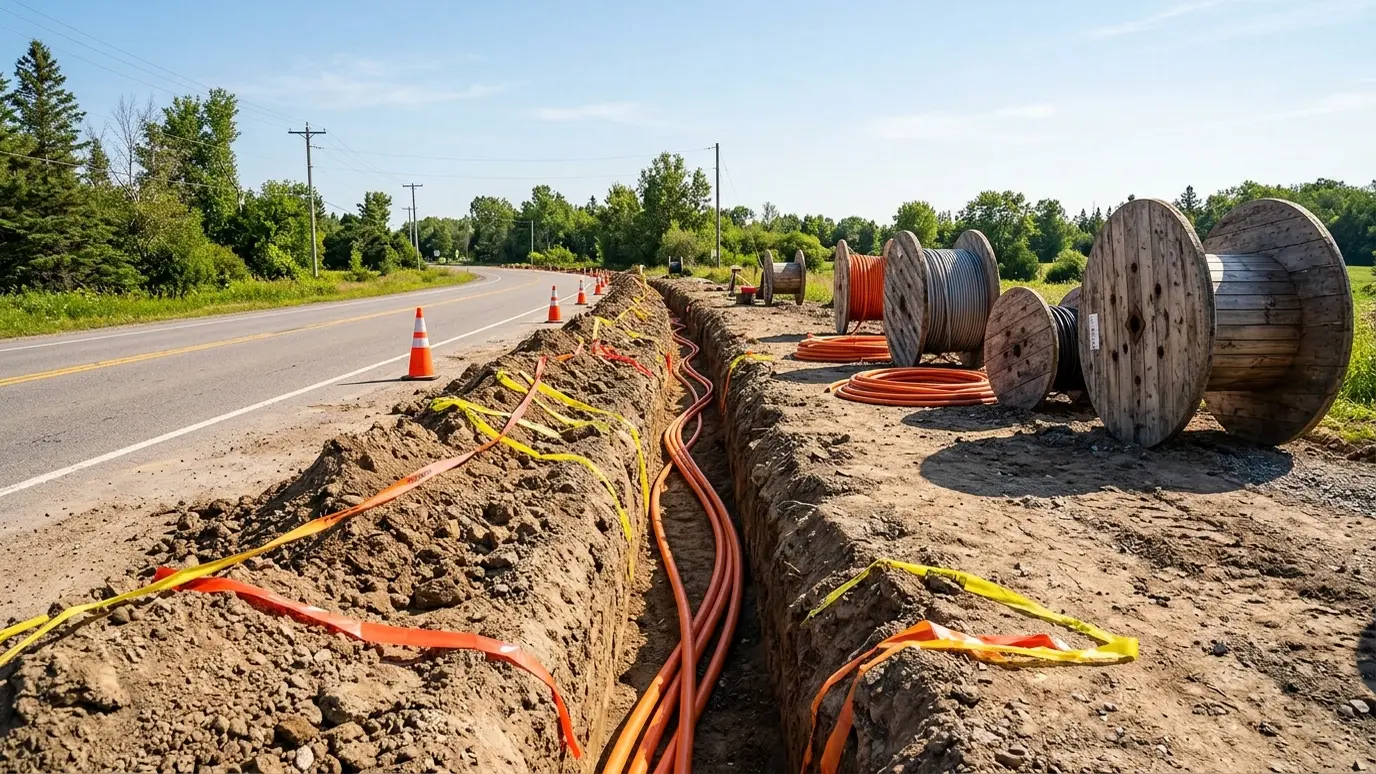
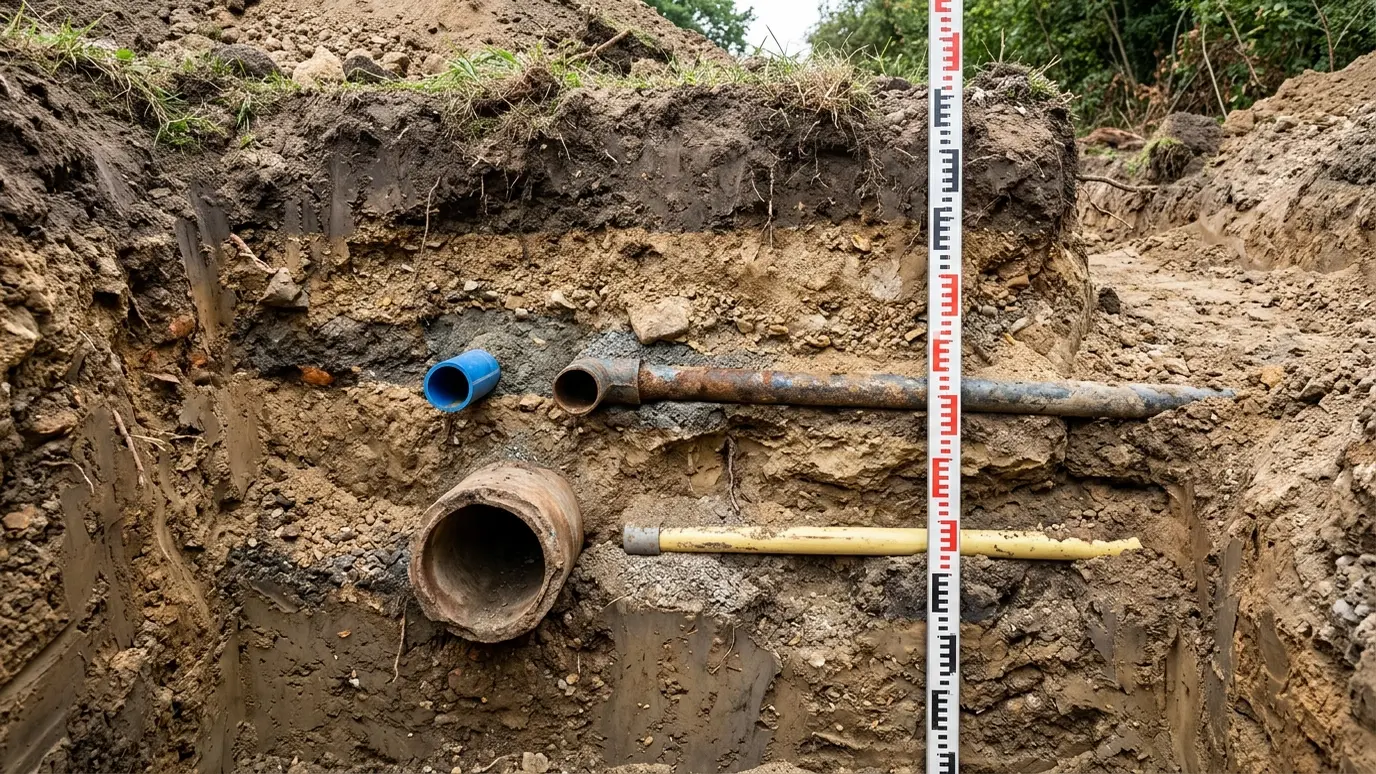
Depth varies
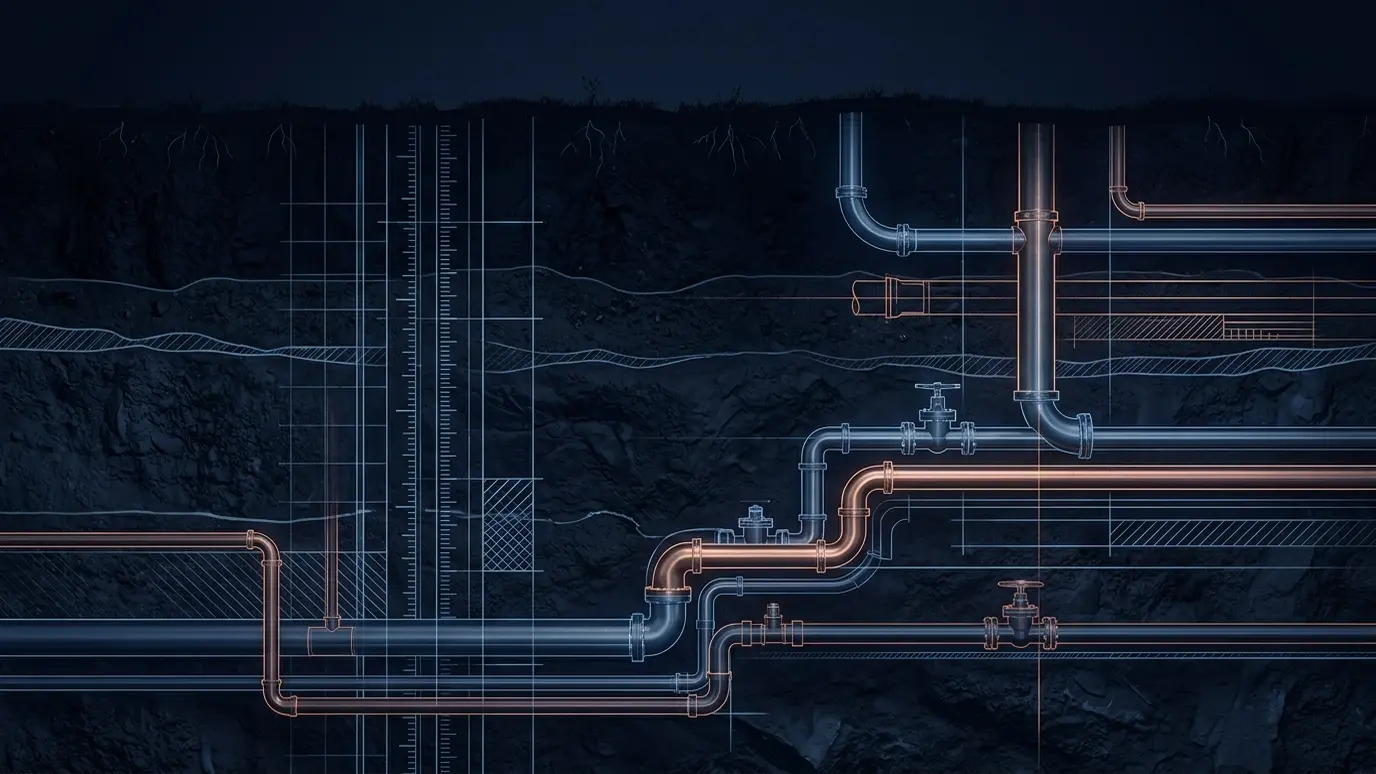
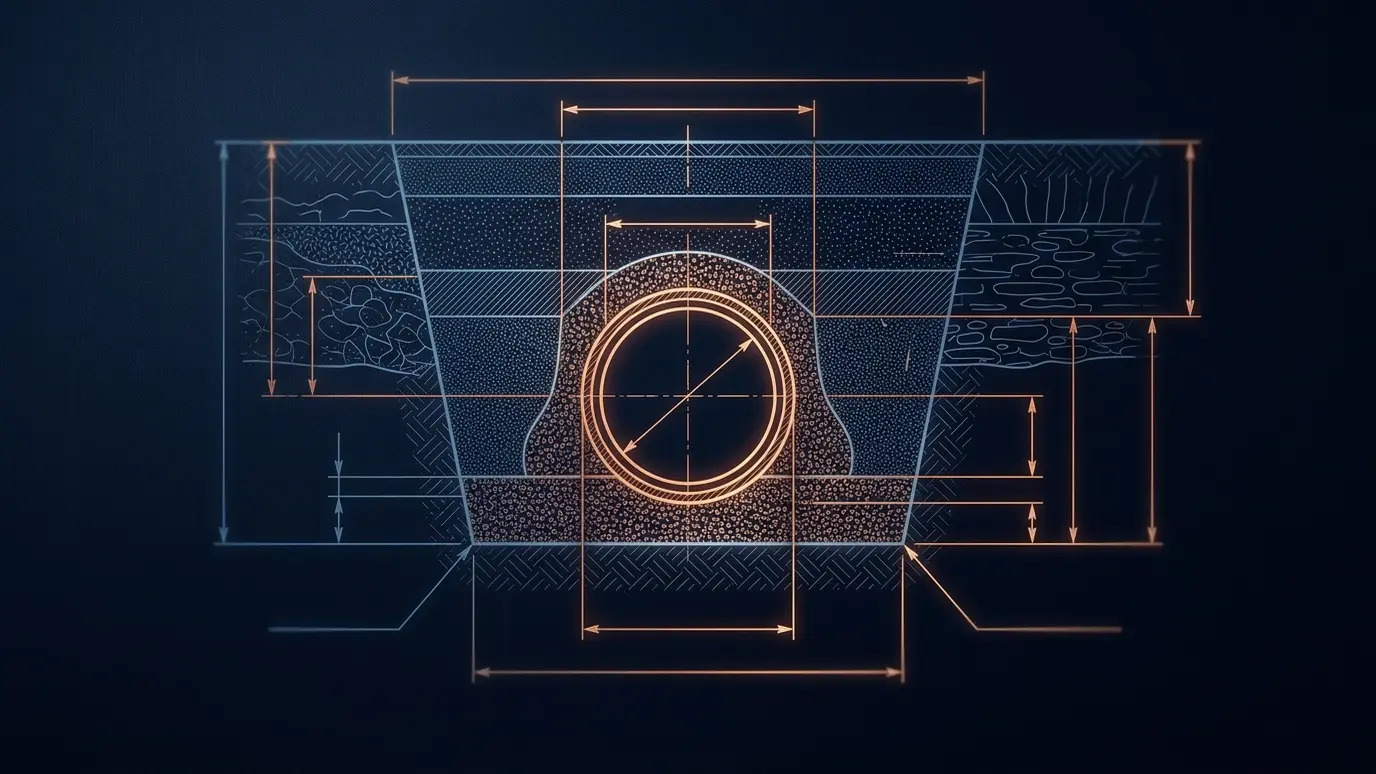
No single depth fits every utility. Water lines go below frost, sewers follow the slope, power and gas follow their own codes, and communication lines are often shallower. Rules differ by utility and place.
Water
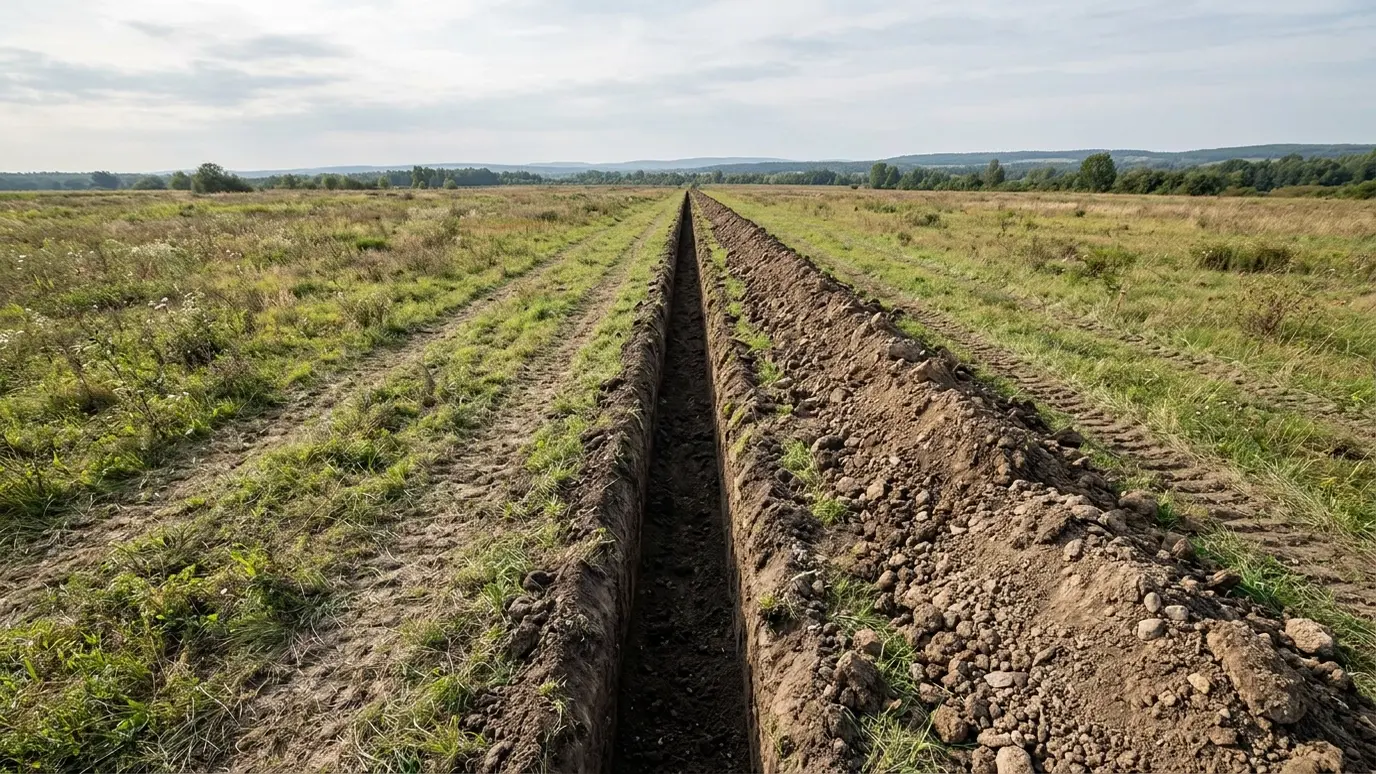
Water lines are buried below the frost line so they do not freeze. In Middle Tennessee that is a modest depth compared with northern states, but local rules set the number.
Sewer
Gravity sewer depth depends on the slope. A line may be shallow at the house and much deeper at the main. Depth varies along the run.
Electric, gas and communications
Power and gas have cover requirements that vary by type and location, with more cover under drives and roads. Communication lines are often shallower.
Clearances between lines
Different utilities need space between them. Water and sewer have separation rules, and power and gas must be kept apart. Crossings follow specific clearances.
Why you cannot guess
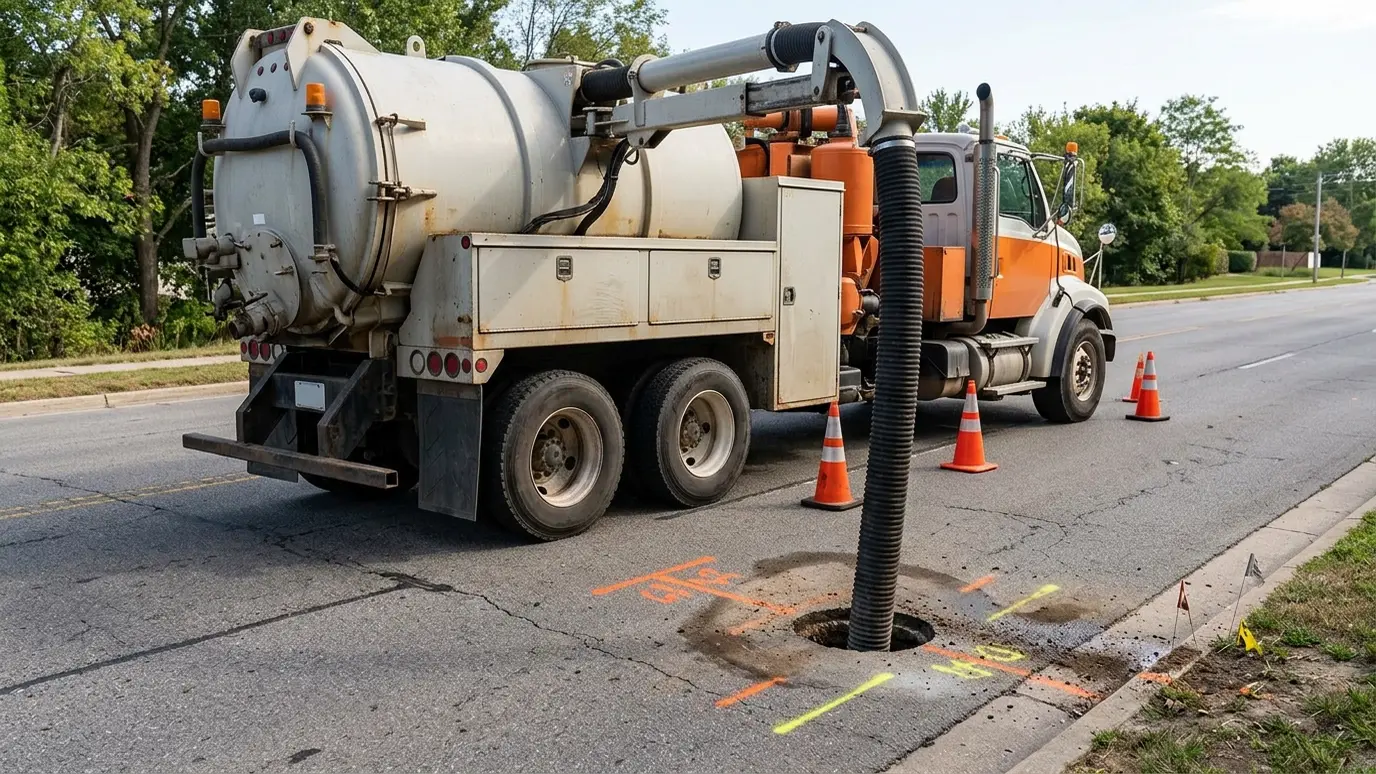
Grading changes, driveways and old repairs mean the actual depth often differs from the original. Only locating and potholing tell you the truth.
Never assume depth. Locate, pothole and check the rules for your utility.