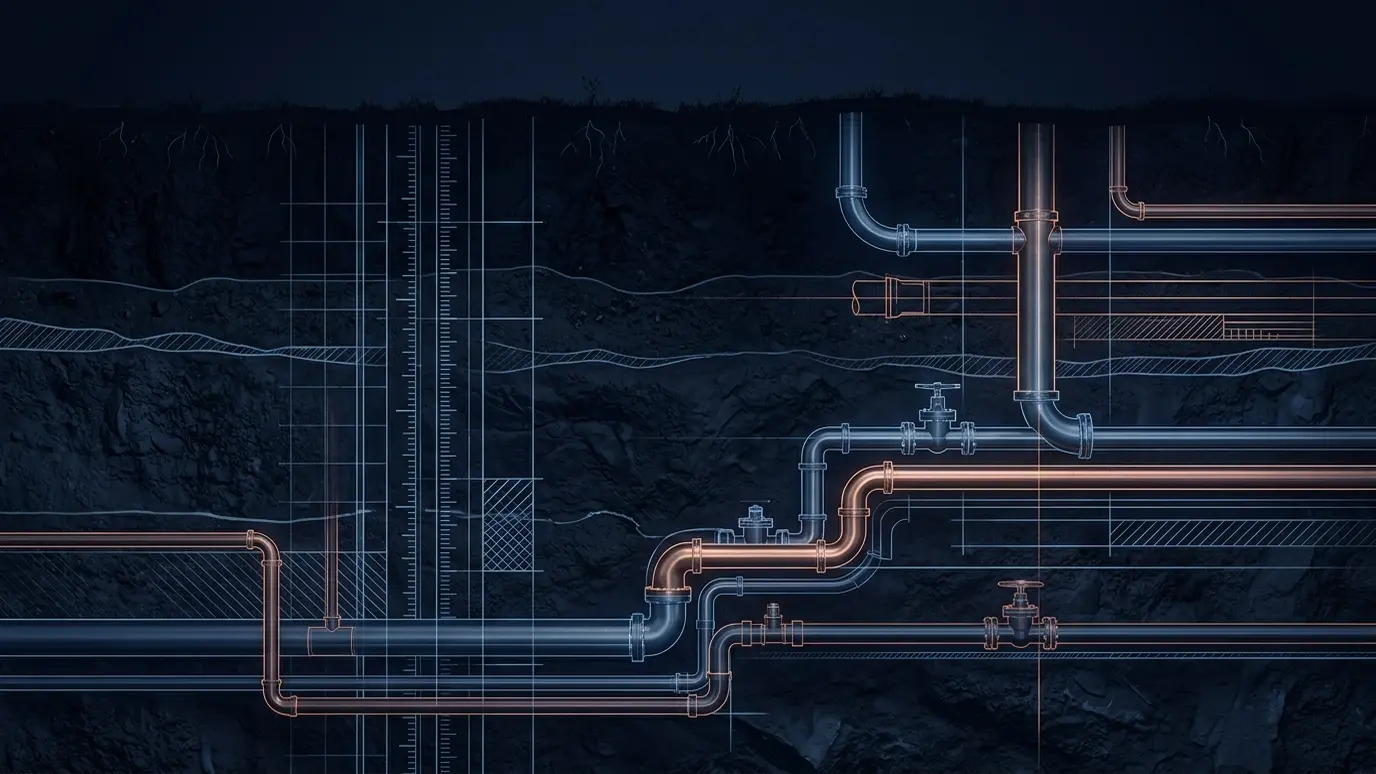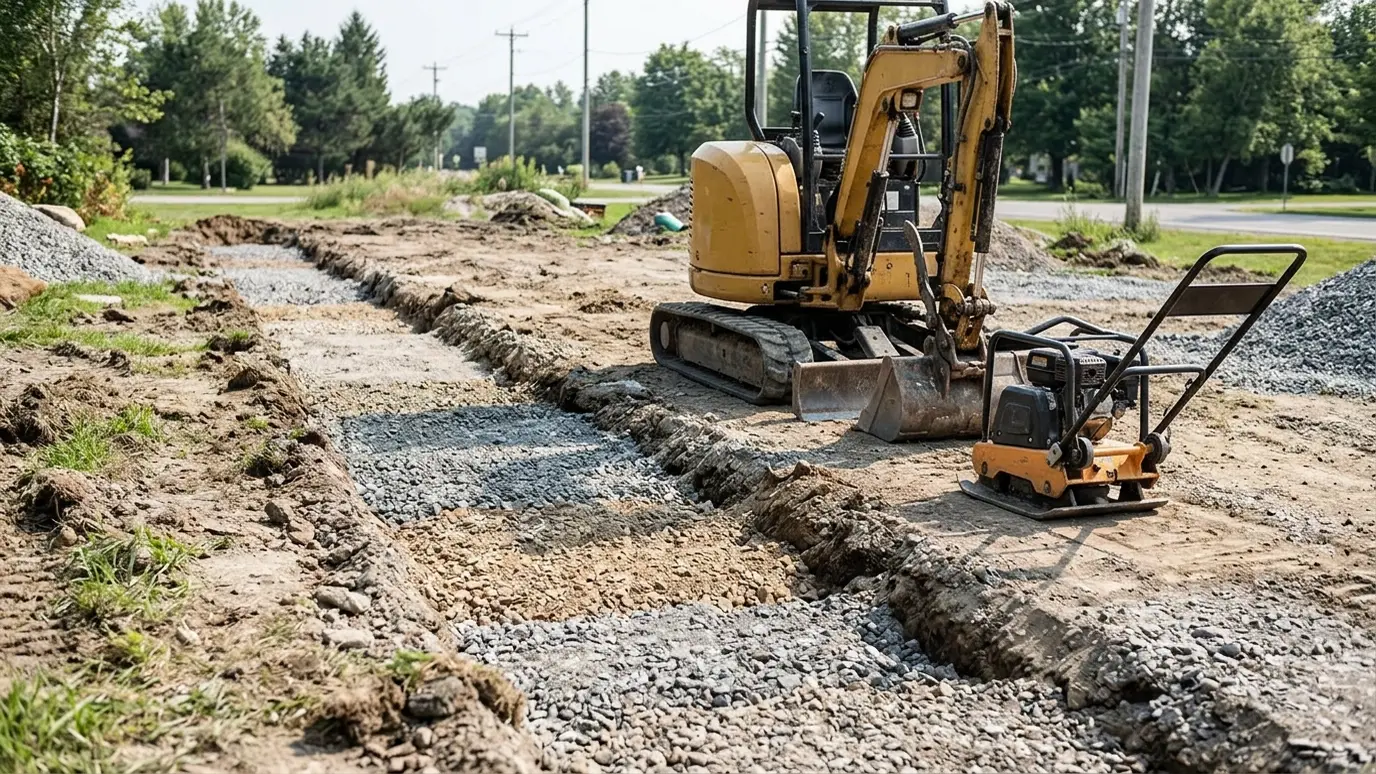
Digging, bedding and backfilling done in layers with proper compaction, so the ground does not sink after the trench closes.
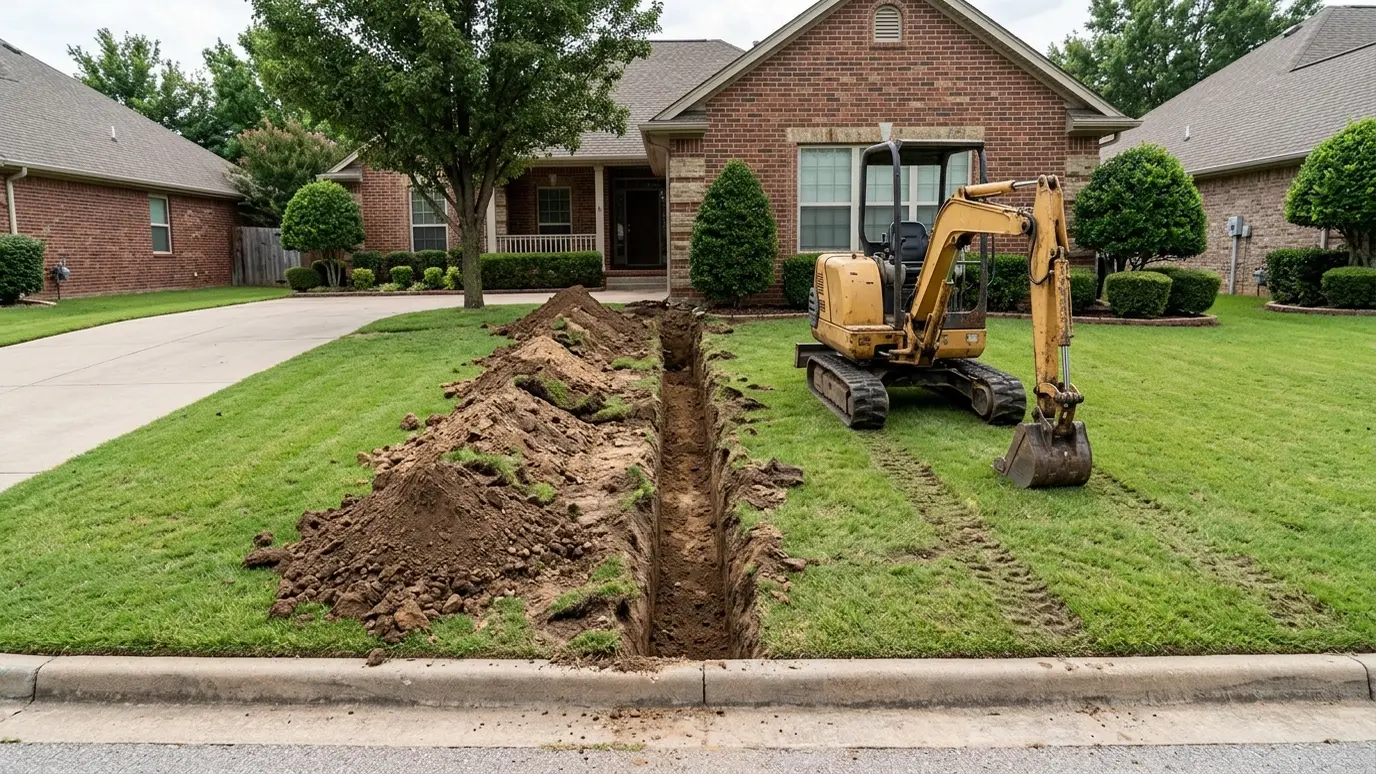
The most common complaint after underground work is not the pipe, it is the settling. A month after the crew leaves, a long dip appears over the trench. Rain finds it, the sod sags and a driveway edge cracks. It almost always comes from backfill that was dumped in rather than placed and compacted.
We backfill in layers, called lifts, and compact each one with a plate compactor, jumping jack or roller to suit the trench. Bedding goes in first around the pipe, then clean fill in lifts, and the top layer is finished to grade for sod, seed or pavement. Spoil that is too wet or full of debris is replaced with suitable material.
Pipe needs even support under and beside it. We place and compact bedding material by hand around the pipe, so there are no voids under the haunches.
Thin layers compact well. Thick layers trap voids that collapse later. We keep lifts to a controlled thickness and compact each before the next.
Wet clay will not compact and rocky fill leaves voids. We use suitable material and let overly wet spoil dry or replace it.
Even well-compacted trenches settle a little with the first rains. We check the trench after a few weeks and top it off if needed, so the final surface is smooth.
Drag the handle to compare.
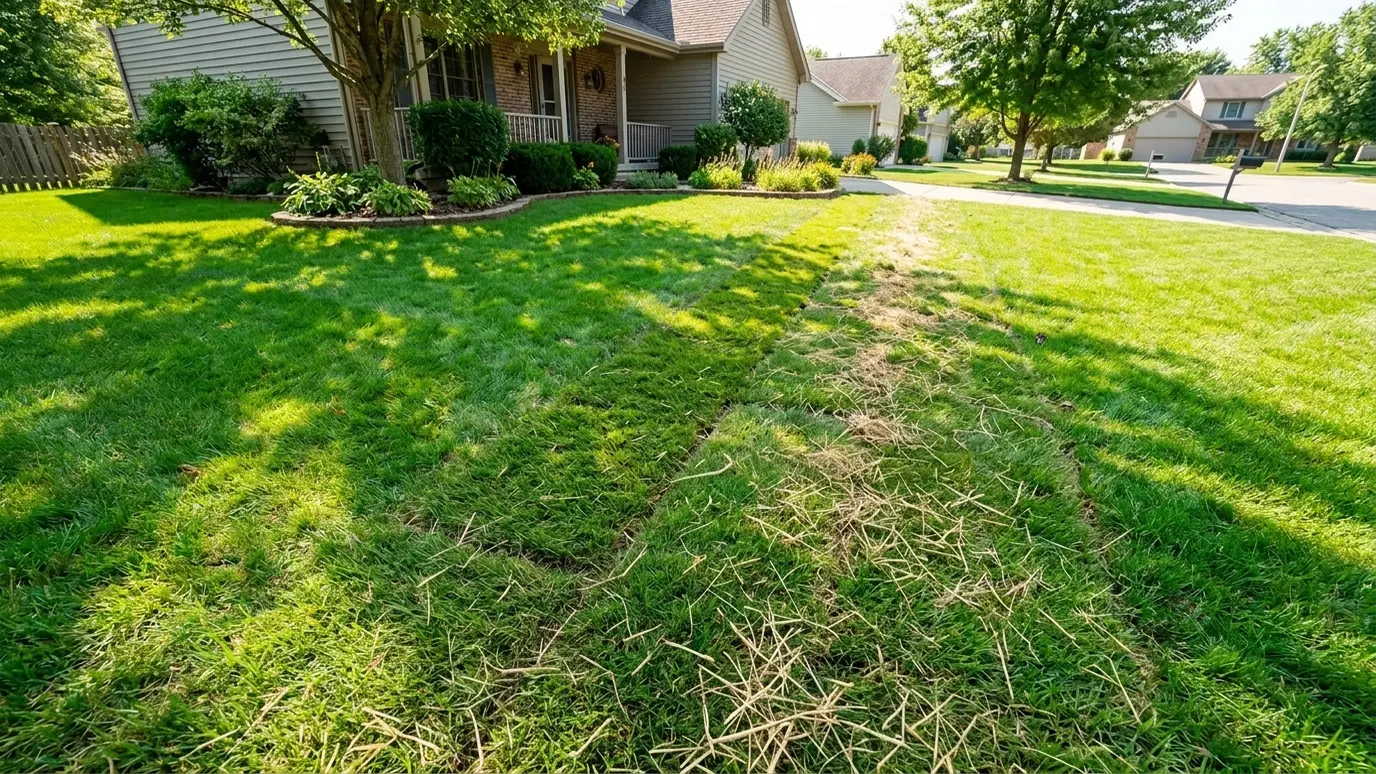
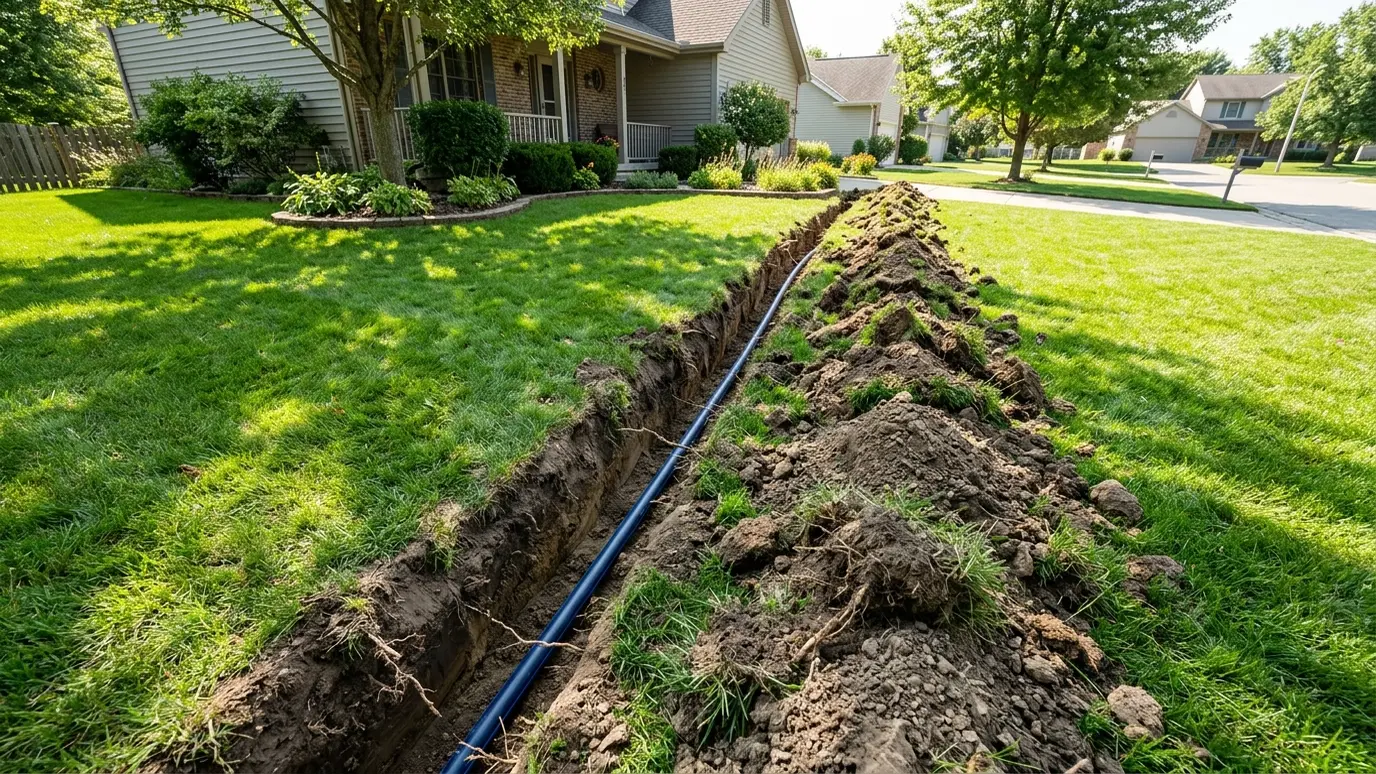 BeforeAfter
No sinking trench lines.
Plate, jumping jack or roller.
Pipe supported without voids.
Fill that actually compacts.
Ready for sod or pavement.
Follow-up where it counts.
Every topic has its own page with what to expect and how we approach it.
 SituationHomeowner Line RepairsSlow drains, wet spots, low pressure and sunken lawns: how to tell what is wrong underground and what…Learn more
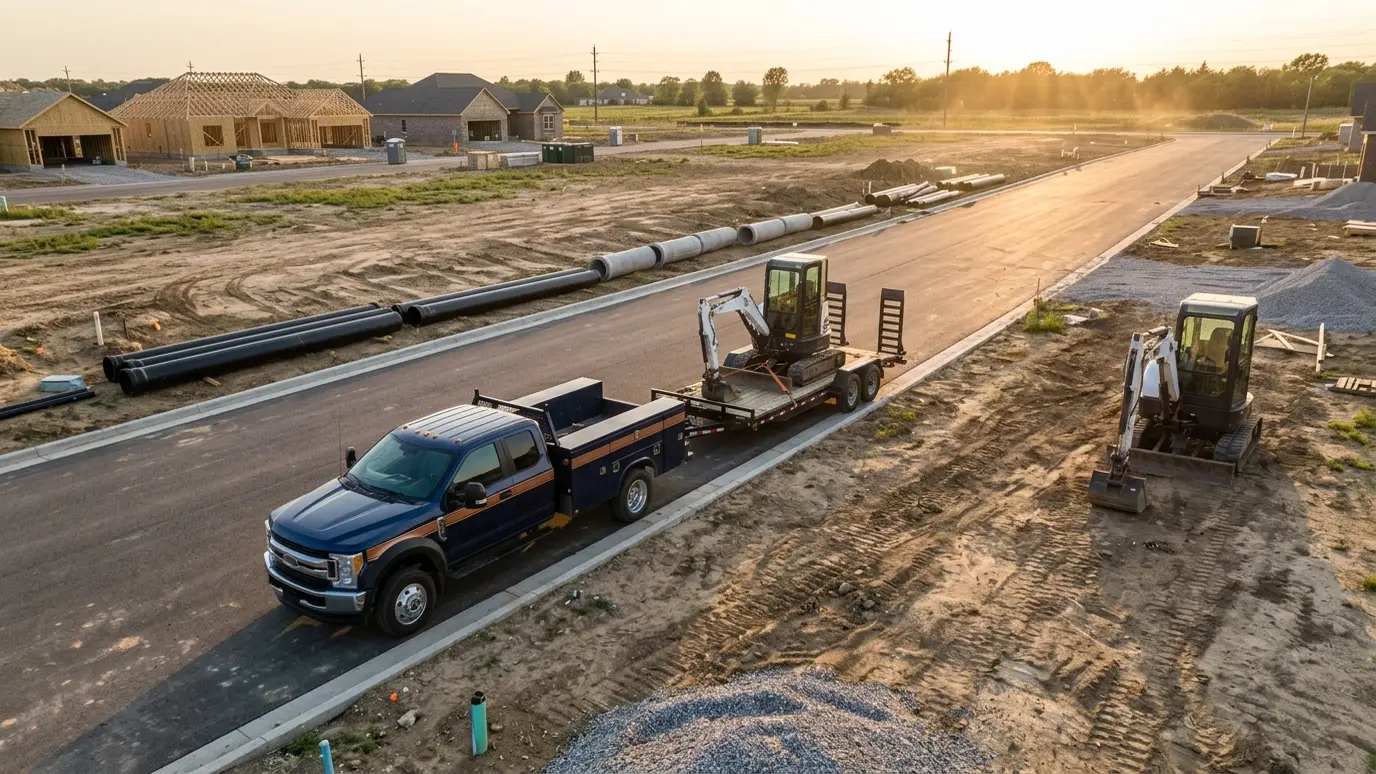 SituationDevelopers and BuildersInfrastructure for subdivisions and multi-lot projects: schedules, sequencing, inspections and clean hand-offs to the next trades.Learn more
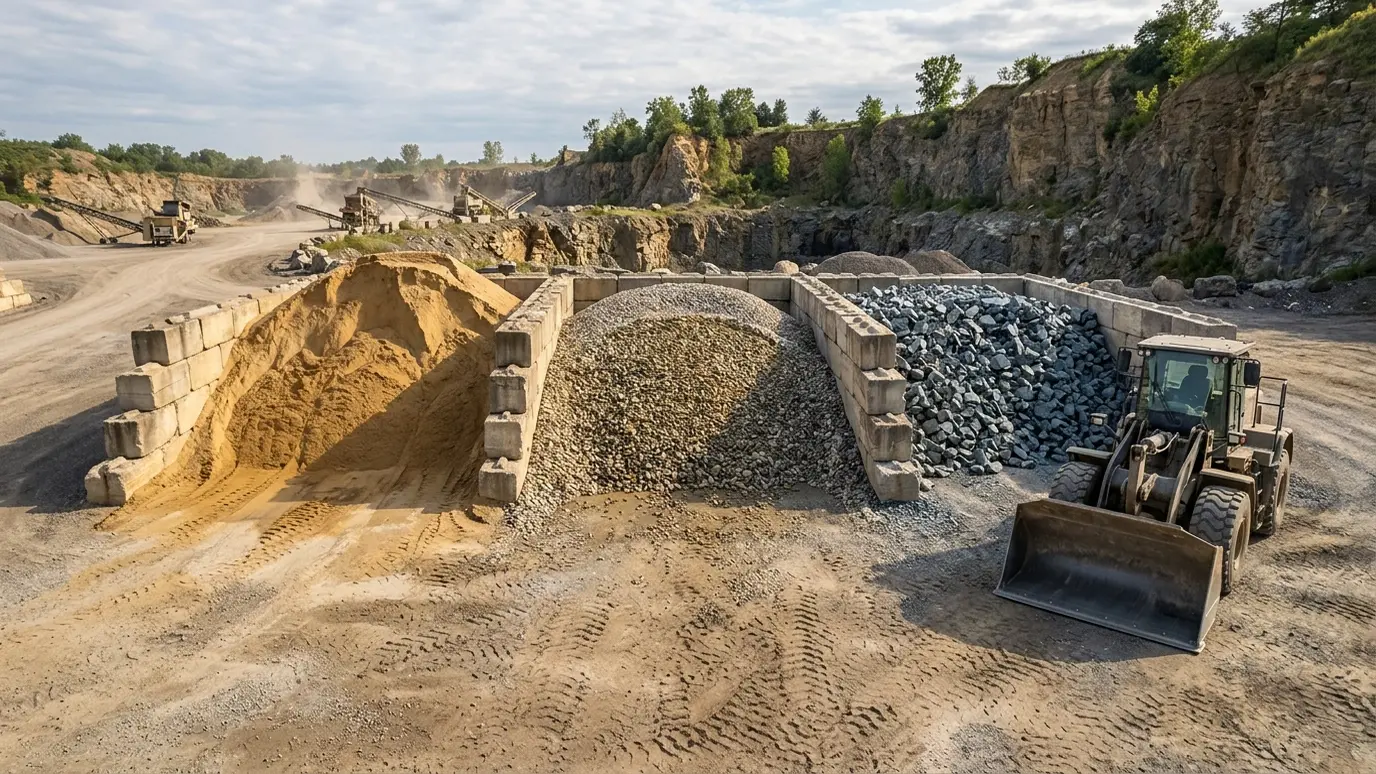 Material guideBedding and BackfillSand, washed stone and select fill: what goes around a pipe, what goes above it and why the…Learn more
Enter trench length, width and depth and see cubic yards of soil, truckloads and bedding stone to plan for.
Tell us what you need and send photos or a site plan if you can. We plan the visit so we arrive ready.
We call 811, walk the site, confirm lines and plan the route and depth.
You get a clear written price, and we agree a day and an arrival window.
Trenching or boring to the plan, with safe walls, careful spoil handling and protection for your lawn.
Pipe or conduit laid on a good bed, joints checked, tests and inspections done before cover-up.
Compacted backfill, grading, sod or paving repair and a walk-through with you.
Usually because the backfill was not compacted in layers. Voids settle after rain.
Yes. We add and compact material and restore the surface.
Clean bedding stone or sand around the pipe and suitable fill above, depending on the line and the surface.
Yes, if there is surplus. Often trenches leave a little extra that we can remove or spread.
A very small amount can be normal, and we top it up. Large dips mean poor compaction.
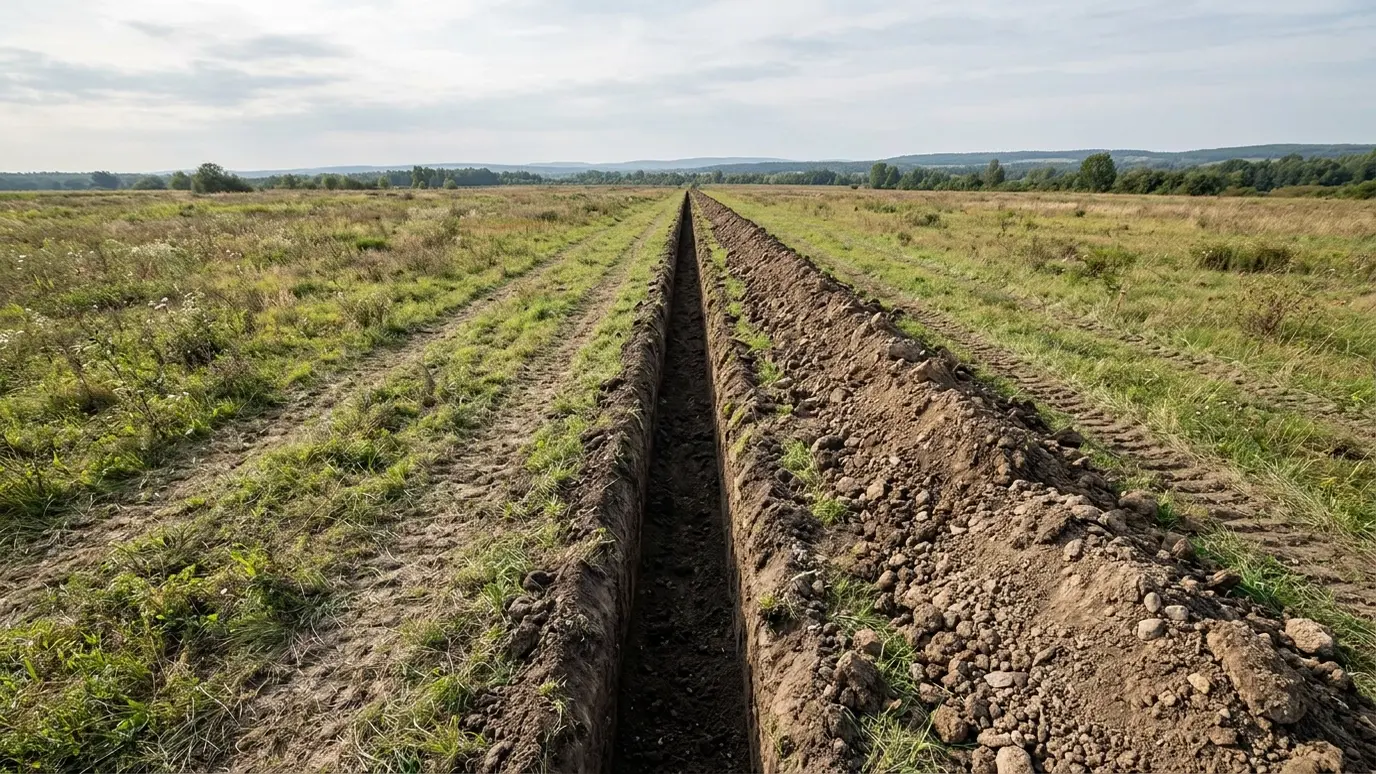 Utility TrenchingStraight, clean trenches for water, sewer, electric, gas and communication lines, cut to depth and width by machines…Explore
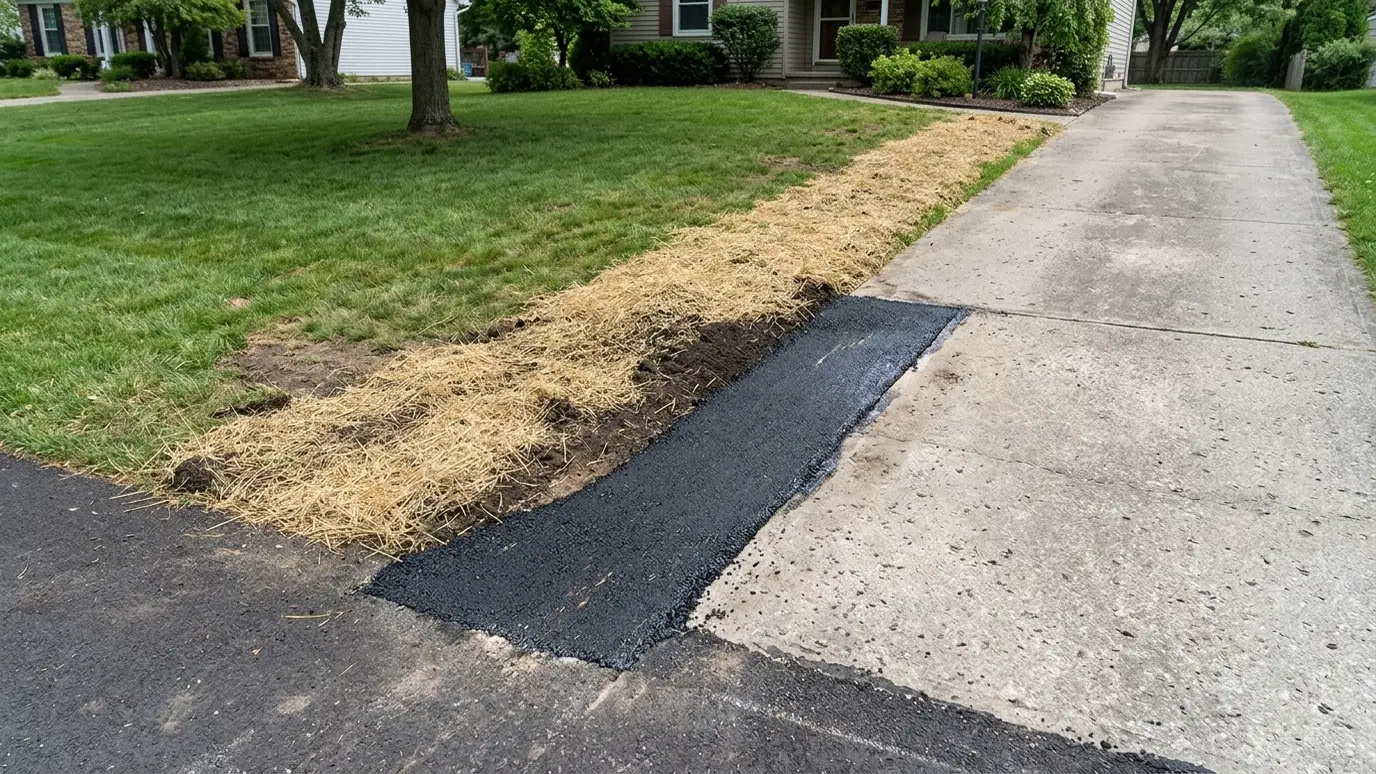 Surface RestorationSod, seed, topsoil, concrete and asphalt patching so your yard and driveway look good again after the trench…Explore
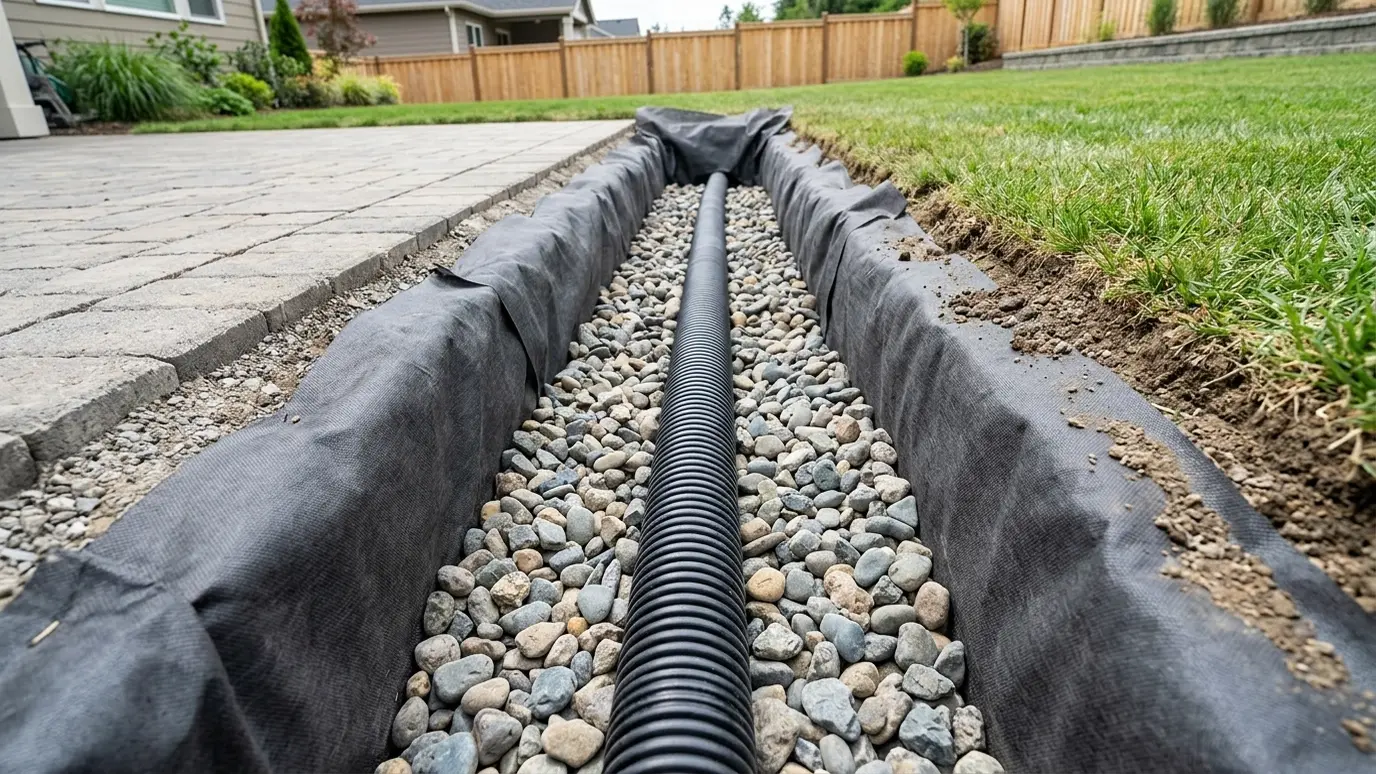 French DrainsFrench drains, swales and downspout lines that move water away from foundations, patios and soggy lawns.Explore
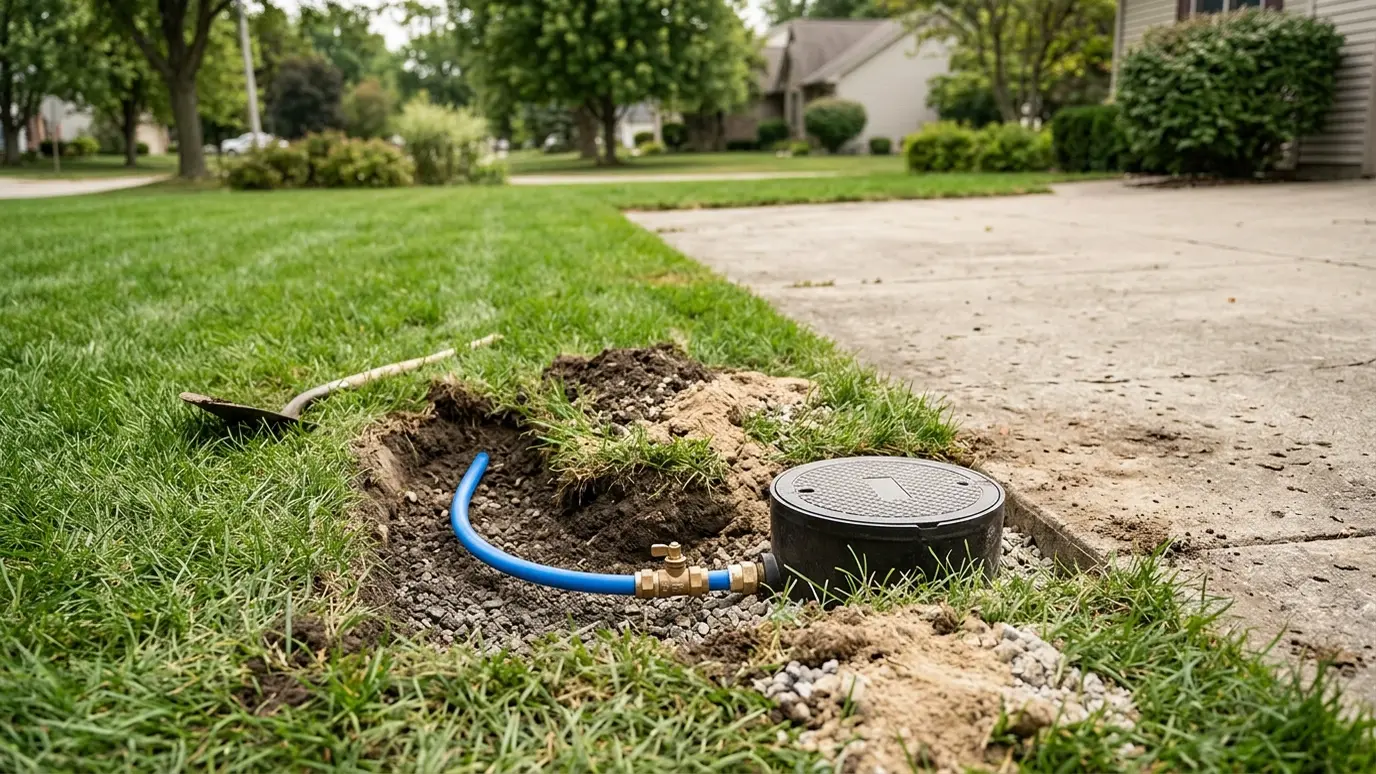 Water Service LinesThe line from the water main to your house or building, trenched, laid and connected so water arrives…Explore
Tell us about the job and we will call you back quickly.
Or call (615) 357-7797 to talk now.