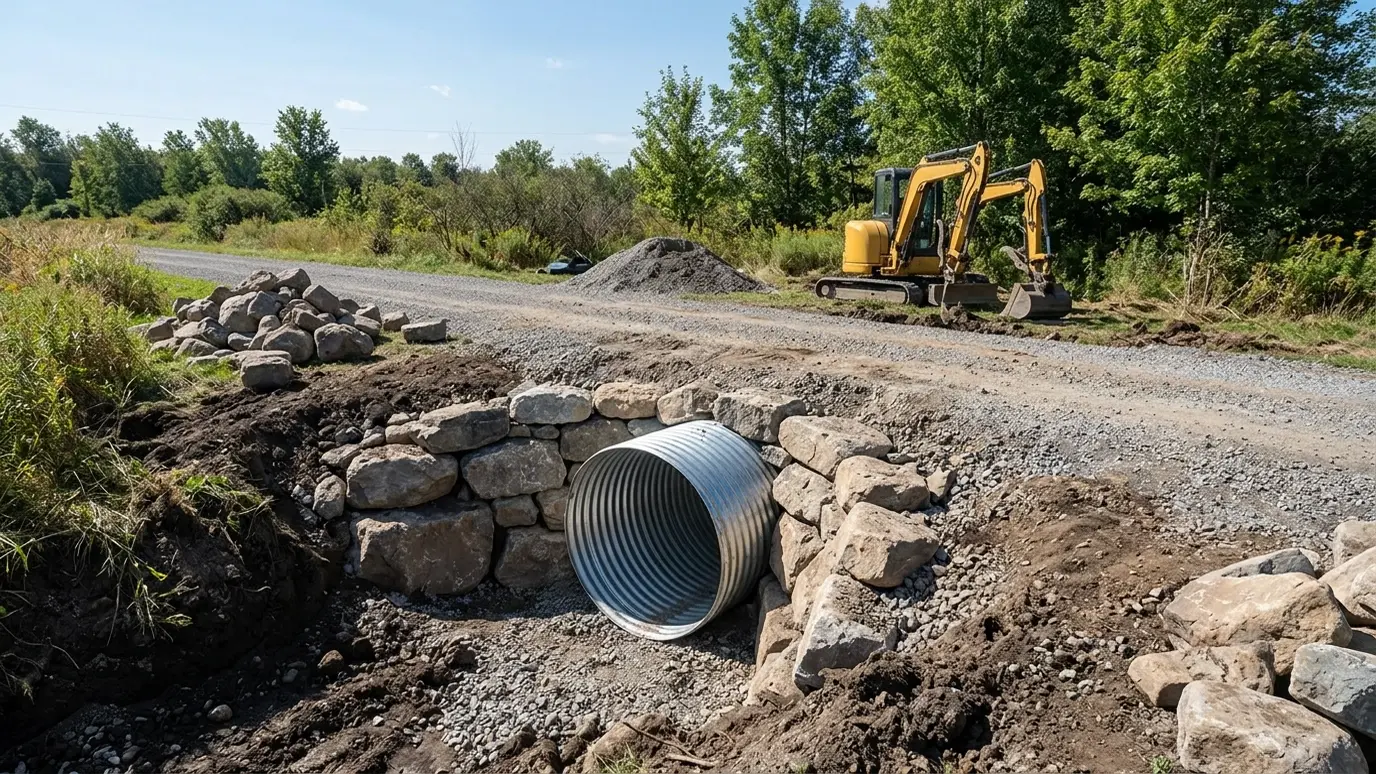
Culverts under driveways and roads that pass water safely, sized and set with headwalls and stone so crossings stay put.
A driveway that crosses a ditch needs a pipe underneath it. When the pipe is too small, too shallow or set at the wrong slope, the crossing washes out in the first big storm. A culvert is a simple structure, but one that fails in a very visible and expensive way.
We size and install culverts of corrugated metal, plastic or concrete. The ditch is shaped, the pipe is bedded and set to the right slope, and the ends are protected with stone or headwalls so water does not undercut them. Gravel or pavement goes back over the pipe in compacted layers, with enough cover to carry vehicles.
A culvert must pass the water that reaches it in heavy rain. The right diameter depends on the drainage area, and an undersized pipe will back up and overtop the road.
A culvert needs enough soil over it and compaction in the right layers. Too little cover or loose fill lets the pipe crush or the road sink.
The inlet and outlet are where erosion starts. Headwalls, riprap and shaped ditches protect them and keep the crossing from slowly washing away.
After heavy rain, walk the crossing and check the ends for debris and erosion. Clearing a clogged inlet early protects the road from overtopping.
Drag the handle to compare.
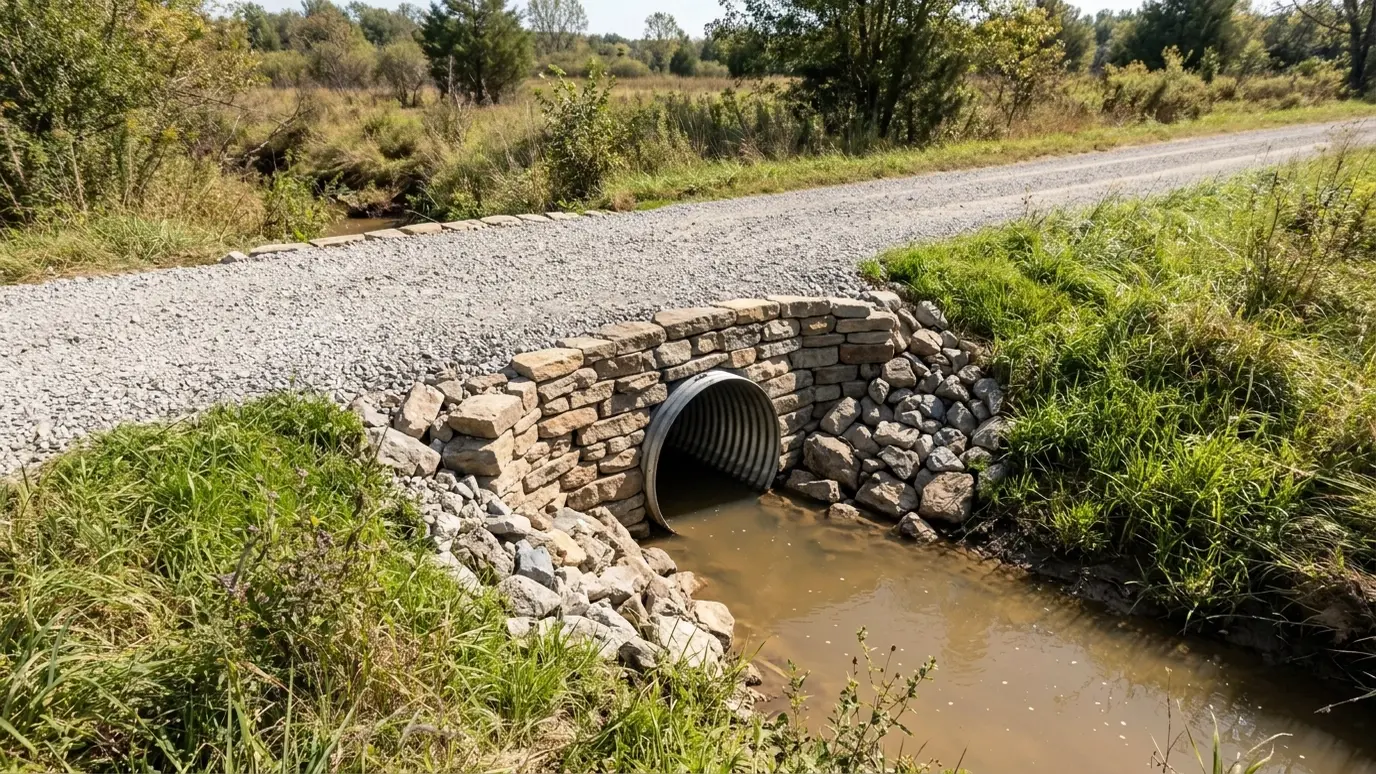
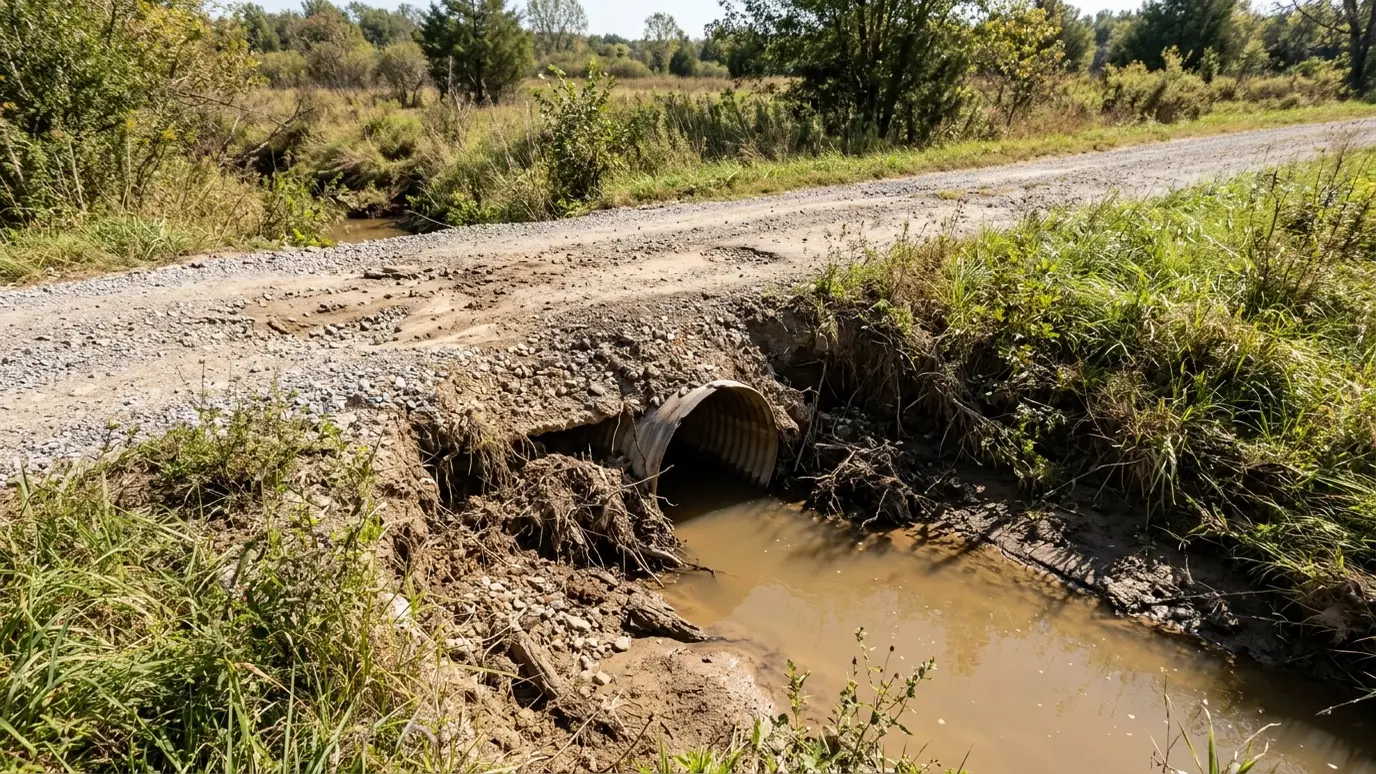 BeforeAfter
Pipe diameter matched to the water.
Layers placed over the pipe.
Headwalls and riprap.
Water moves without scouring.
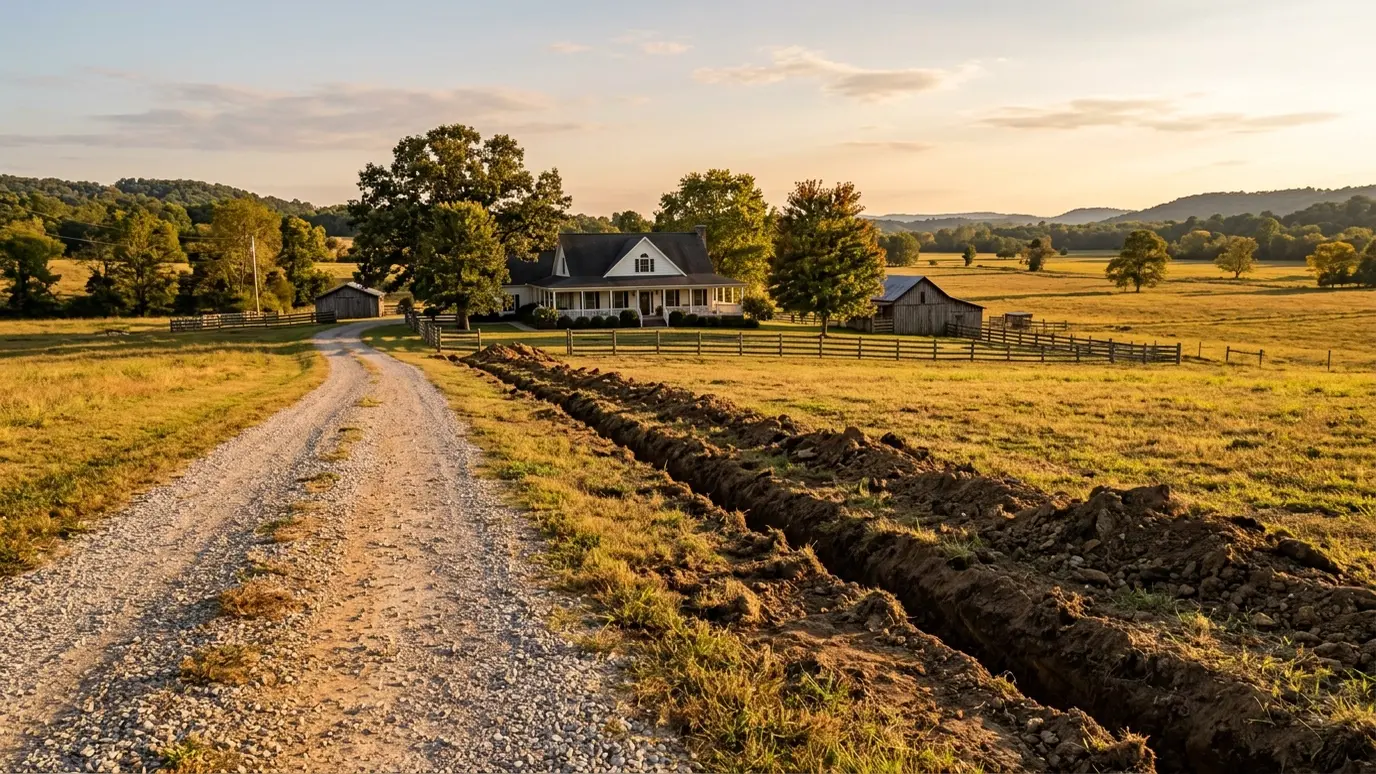
Driveways and farm roads.
Public right of way rules noted.
Every topic has its own page with what to expect and how we approach it.
 SituationRural and AcreageLong runs for water, power, propane and septic on farms and country lots, through rock, creeks and fields.Learn more
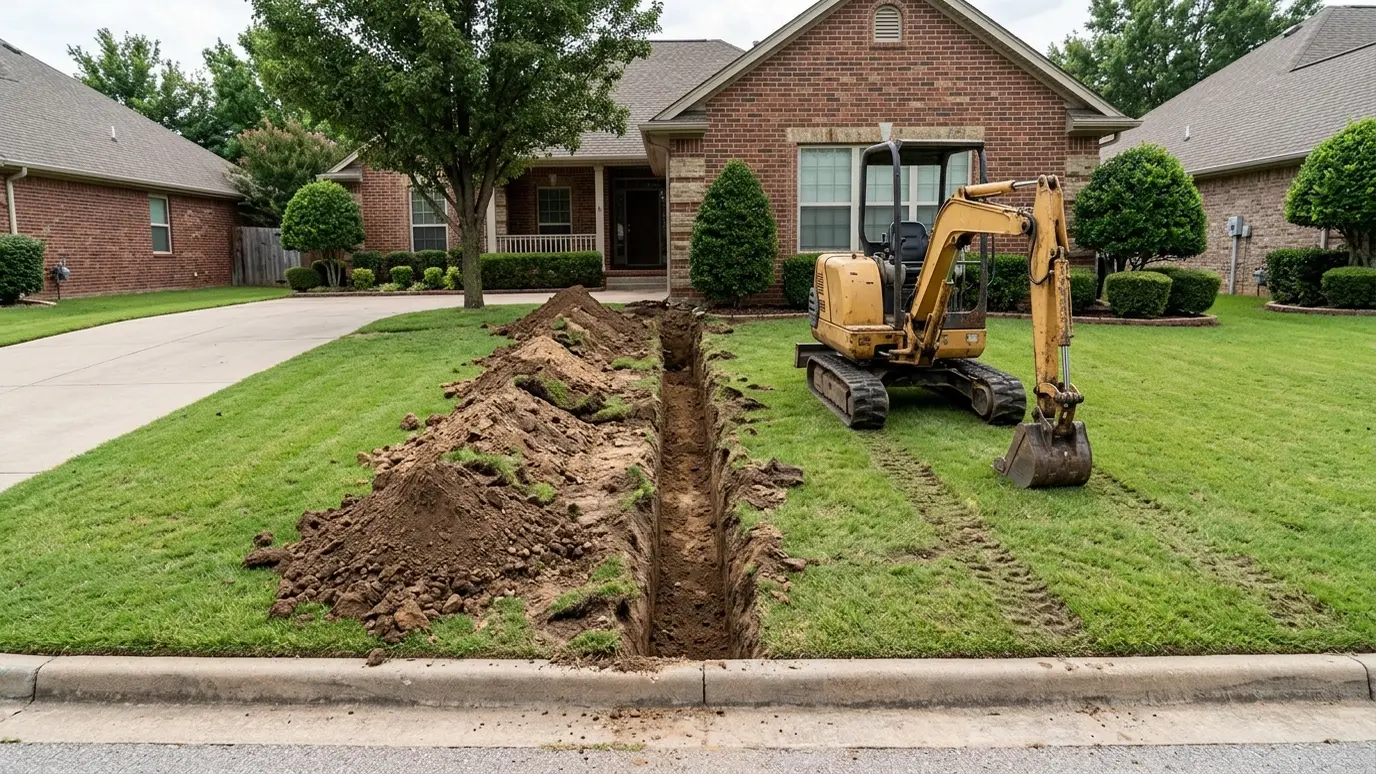 SituationHomeowner Line RepairsSlow drains, wet spots, low pressure and sunken lawns: how to tell what is wrong underground and what…Learn more
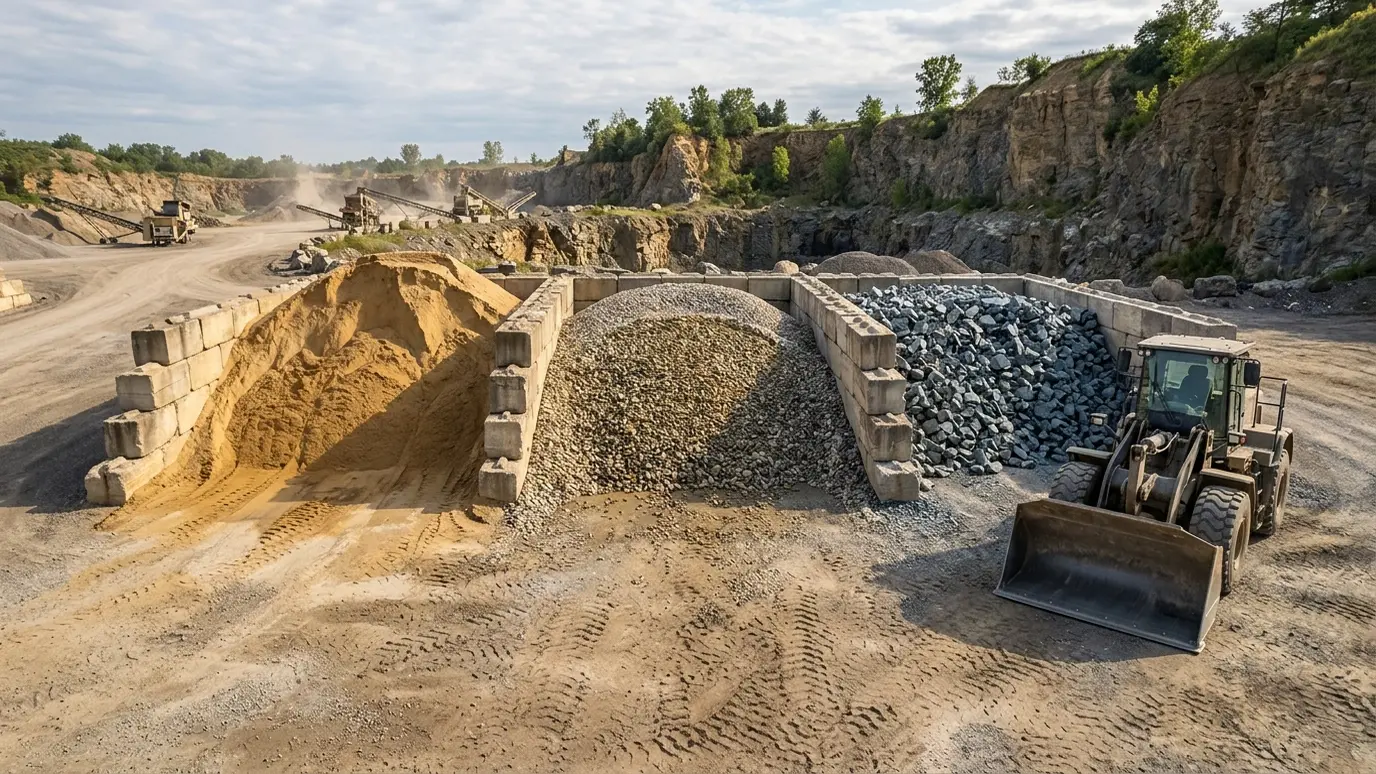 Material guideBedding and BackfillSand, washed stone and select fill: what goes around a pipe, what goes above it and why the…Learn more
Enter run length and slope and see the total fall and the invert elevation at the far end.
Tell us what you need and send photos or a site plan if you can. We plan the visit so we arrive ready.
We call 811, walk the site, confirm lines and plan the route and depth.
You get a clear written price, and we agree a day and an arrival window.
Trenching or boring to the plan, with safe walls, careful spoil handling and protection for your lawn.
Pipe or conduit laid on a good bed, joints checked, tests and inspections done before cover-up.
Compacted backfill, grading, sod or paving repair and a walk-through with you.
If the culvert is in a public right of way or affects a regulated stream, permits often apply. Check with your city, county or road department.
It depends on drainage area, slope and local standards. We recommend a size and note when an engineer should confirm it.
Yes. We remove the old pipe, rebuild the bed and install a new one with proper ends.
Sometimes. Boring can avoid cutting a road, depending on size and soil.
Keep the inlet and outlet clear of debris and repair erosion at the ends promptly.
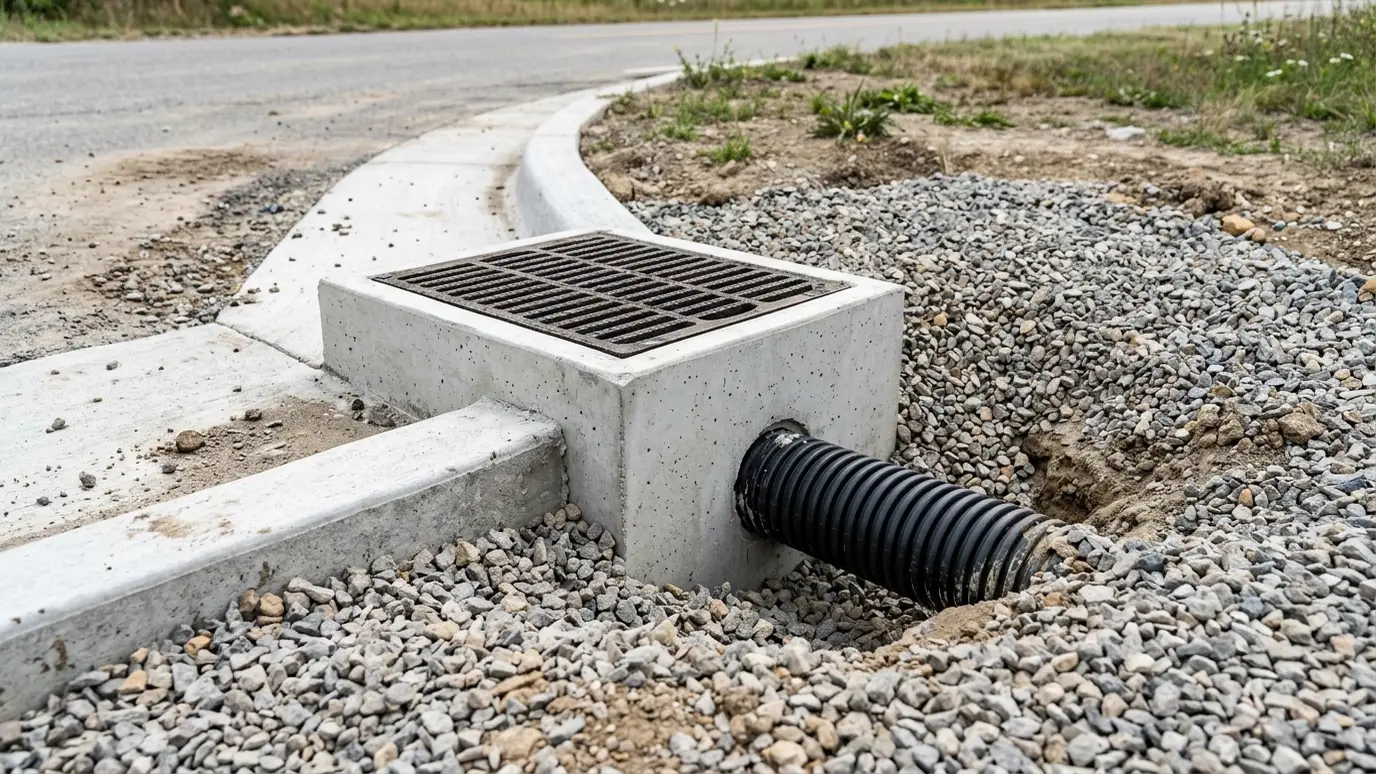 Storm Drains and Catch BasinsInlets, catch basins and storm pipe that carry runoff away from buildings, driveways and streets before it causes…Explore
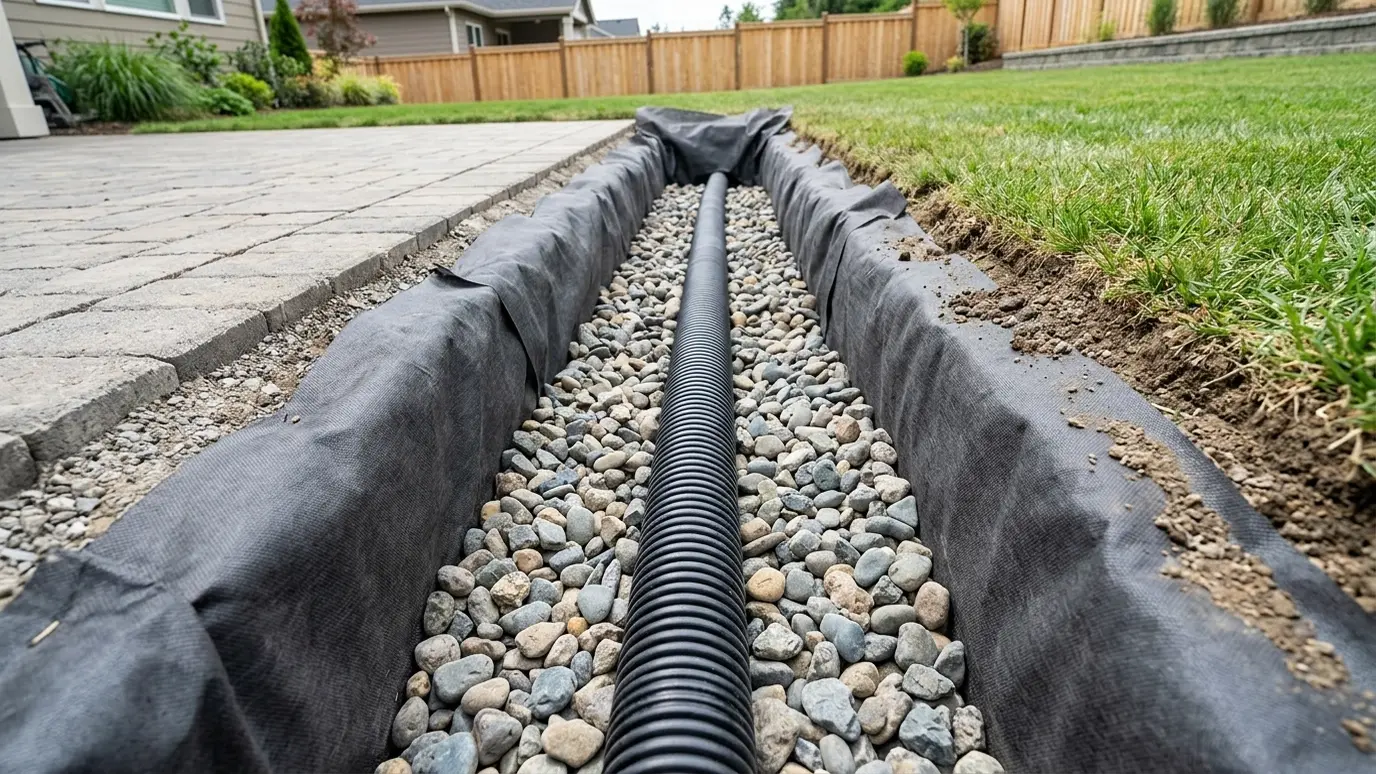 French DrainsFrench drains, swales and downspout lines that move water away from foundations, patios and soggy lawns.Explore
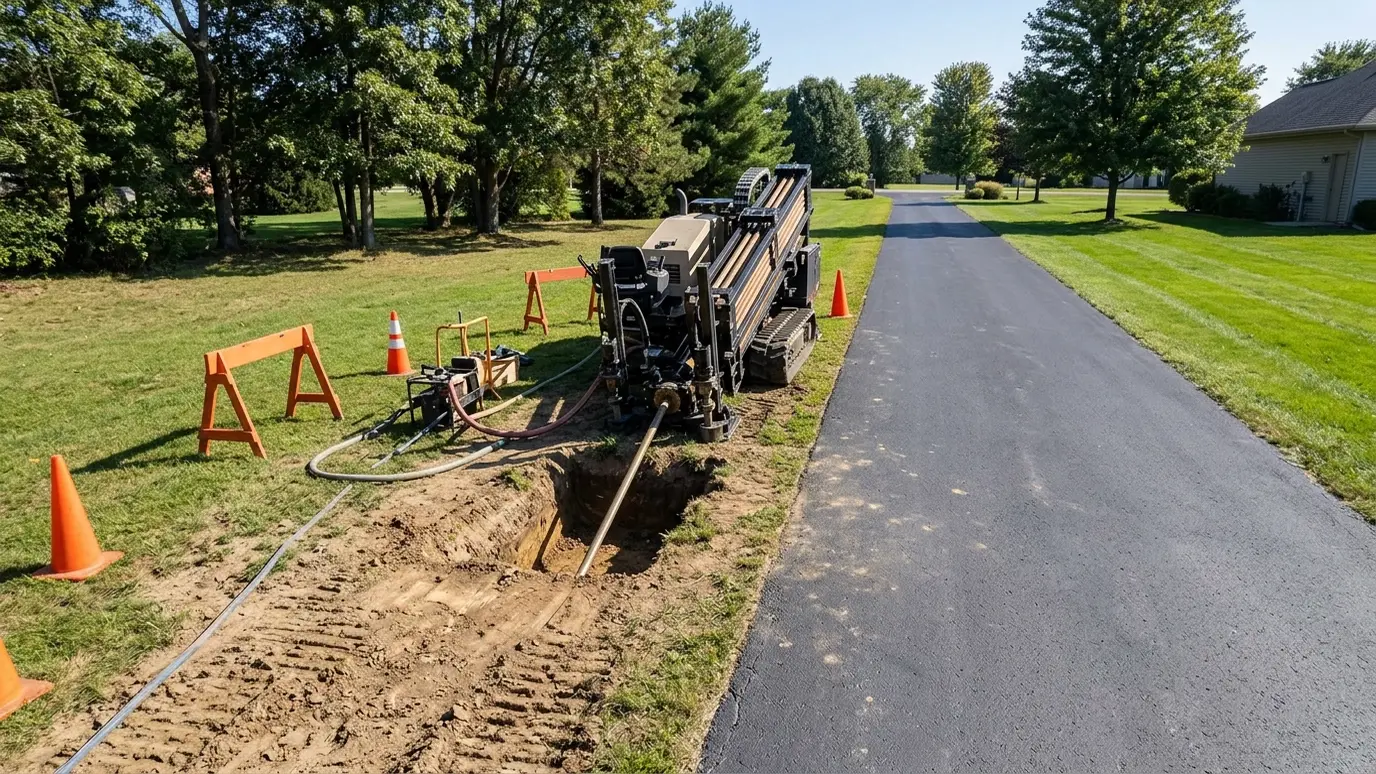 Road and Driveway CrossingsShort bores that carry water, sewer, power or conduit under roads, driveways and walks, leaving the surface unbroken.Explore
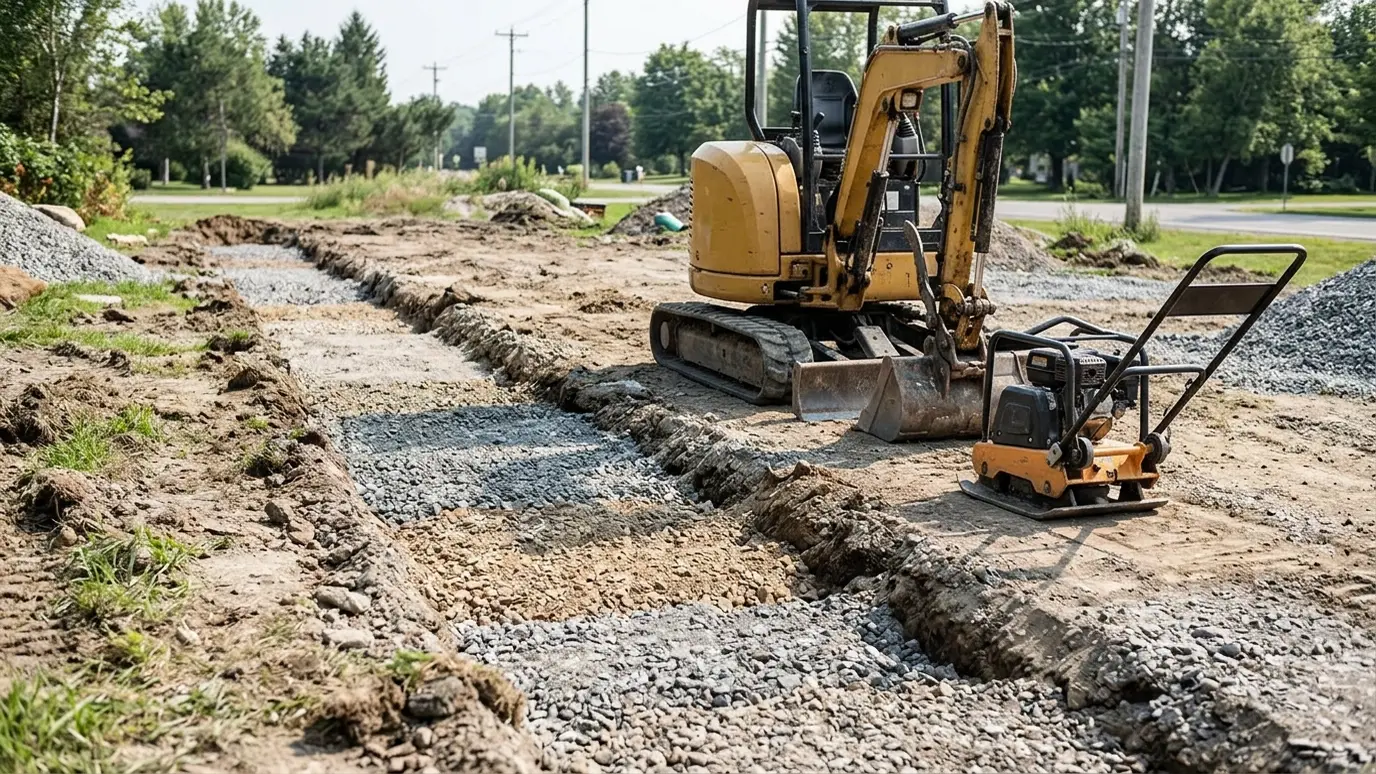 Excavation and BackfillDigging, bedding and backfilling done in layers with proper compaction, so the ground does not sink after the…Explore
Tell us about the job and we will call you back quickly.
Or call (615) 357-7797 to talk now.